THE ADVENTURE COLLECTIVE® · Independent discovery and booking for outdoor travel

Walk the dramatic Basque cliffs from San Sebastián to the fishing port of Pasajes, passing tunnels, rocky beaches and sea-sculpted viewpoints. This five-hour coastal Camino hike finishes with pintxos and cider in a traditional port village.
Walk the dramatic Basque cliffs from San Sebastián to the fishing port of Pasajes, passing tunnels, rocky beaches and sea-sculpted viewpoints. This five-hour coastal Camino hike finishes with pintxos and cider in a traditional port village.
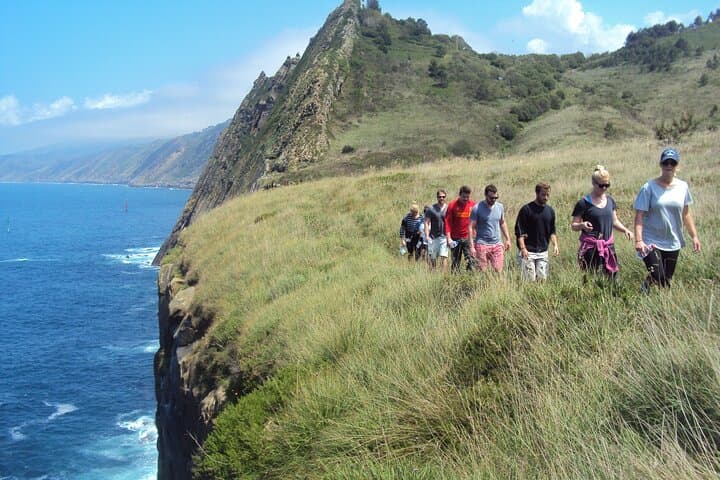
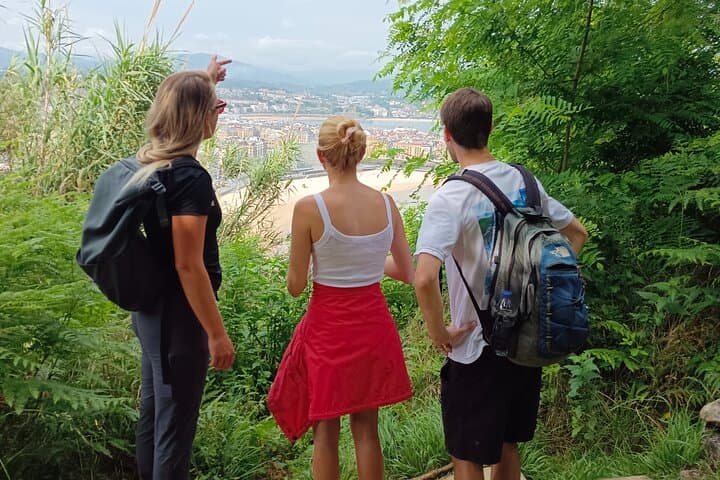
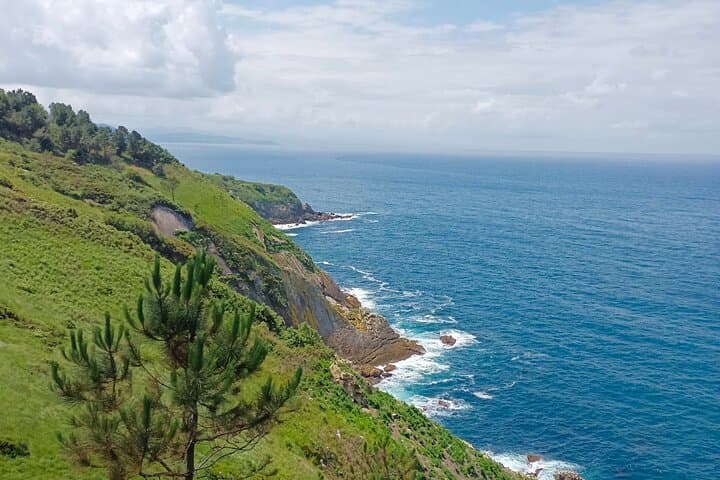
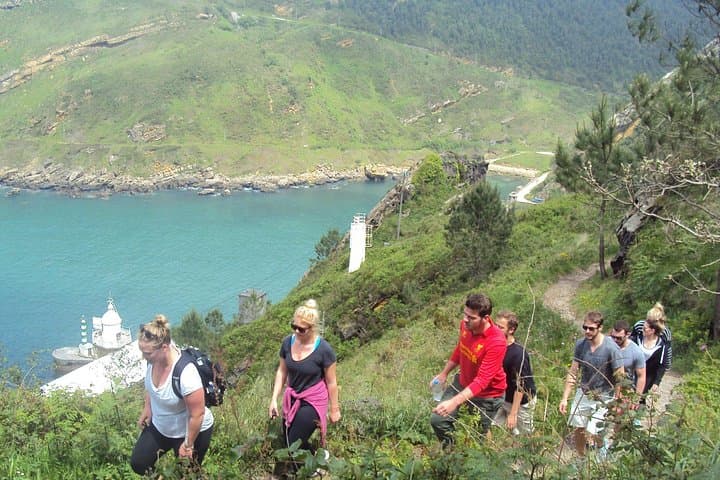
You step out of the Old Town and the city's noise thins behind you as the trail pulls tight to the sea. Waves keep time against the steep Basque cliffs, and the path threads through short tunnels carved into rock, opening onto pebble coves that the current teases. Wind pushes at your jacket; the ocean seems to dare you to keep walking.
Verified experiences and guided adventures in the surrounding area.
Operated by San sebastian experiences · San Sebastián, Basque Country
You step out of the Old Town and the city's noise thins behind you as the trail pulls tight to the sea. Waves keep time against the steep Basque cliffs, and the path threads through short tunnels carved into rock, opening onto pebble coves that the current teases. Wind pushes at your jacket; the ocean seems to dare you to keep walking.
This stretch of coastline is part of the coastal Camino de Santiago and carries centuries of maritime history — fishing hamlets, wartime lookouts and old shepherd tracks that became modern footpaths. Geologically, the cliffs are folded sedimentary rock, sharp ridgelines worn by Atlantic storms; underfoot expect compact dirt, occasional scree and paved sections near viewpoints. Culturally, the route ends in Pasajes (Pasaia), a small fishing port where pintxos and sidra reconnect you with local rhythms.
Practical guidance: the shared tour runs about five hours and covers a mix of exposed cliff edges and sheltered groves; moderate fitness is required. Wear grippy footwear, a windproof layer and bring 1–1.5 liters of water plus a snack for the picnic stops. Footpaths can be narrow — poles help with balance — and weather changes fast, so start mid-morning for the best light and to catch the afternoon bus back from Pasajes.
Expect seabirds quartering the thermals and salty air that stains your hair. Stay on marked trails to avoid fragile cliff edges, and plan time after the hike to sample local gastronomy in Pasajes before returning to San Sebastián.
moderate.
5 hours.
Moderate — comfortable walking on uneven trails, some hill climbing and exposed sections.
The guided hike lasts about five hours with moderate effort: steady walking, some ascents and narrow cliffside sections—suitable for fit beginners and regular hikers.
The tour includes a final brunch/pintxo stop in Pasajes, but bring small snacks for between stops and personal preferences for the picnic.
Most itineraries end in Pasajes where you can take a public bus back to San Sebastián; guides typically coordinate the group return.
The route is not recommended for those with serious heart or spinal conditions, or pregnancy; travelers should have at least moderate fitness and stable balance.
This coastline forms part of a coastal branch of the Camino de Santiago and carries fishing and maritime history visible in Pasajes’ sheltered harbor and old stone paths.
Cliff paths are subject to erosion and nesting seabird protections—stay on marked trails, avoid disturbing wildlife and carry out all waste.
San sebastian experiences operates guided outdoor trips and adventures with an emphasis on safety, stewardship, and memorable experiences.
You step out of the Old Town and the city's noise thins behind you as the trail pulls tight to the sea. Waves keep time against the steep Basque cliffs, and the path threads through short tunnels carved into rock, opening onto pebble coves that the current teases. Wind pushes at your jacket; the ocean seems to dare you to keep walking.
You step out of the Old Town and the city's noise thins behind you as the trail pulls tight to the sea. Waves keep time against the steep Basque cliffs, and the path threads through short tunnels carved into rock, opening onto pebble coves that the current teases. Wind pushes at your jacket; the ocean seems to dare you to keep walking.
This stretch of coastline is part of the coastal Camino de Santiago and carries centuries of maritime history — fishing hamlets, wartime lookouts and old shepherd tracks that became modern footpaths. Geologically, the cliffs are folded sedimentary rock, sharp ridgelines worn by Atlantic storms; underfoot expect compact dirt, occasional scree and paved sections near viewpoints. Culturally, the route ends in Pasajes (Pasaia), a small fishing port where pintxos and sidra reconnect you with local rhythms.
Practical guidance: the shared tour runs about five hours and covers a mix of exposed cliff edges and sheltered groves; moderate fitness is required. Wear grippy footwear, a windproof layer and bring 1–1.5 liters of water plus a snack for the picnic stops. Footpaths can be narrow — poles help with balance — and weather changes fast, so start mid-morning for the best light and to catch the afternoon bus back from Pasajes.
Expect seabirds quartering the thermals and salty air that stains your hair. Stay on marked trails to avoid fragile cliff edges, and plan time after the hike to sample local gastronomy in Pasajes before returning to San Sebastián.