THE ADVENTURE COLLECTIVE® · Independent discovery and booking for outdoor travel

A small-group guided hike from Doolin delivers one of the most dramatic ways to visit the Cliffs of Moher: a roughly 5-mile coastal walk with sweeping sea views, seabird colonies and local history. Expect 3–4 hours of walking at a relaxed pace, with photo stops and a transport return to Doolin.
A small-group guided hike from Doolin delivers one of the most dramatic ways to visit the Cliffs of Moher: a roughly 5-mile coastal walk with sweeping sea views, seabird colonies and local history. Expect 3–4 hours of walking at a relaxed pace, with photo stops and a transport return to Doolin.
The walk begins in Doolin with the Atlantic wind pushing at your jacket and a lane of whitewashed cottages shrinking behind you. Underfoot the path climbs, then levels, giving steady, wide-open views where the cliffs drop into sea and spray dares you to step closer for the next photograph.
Verified experiences and guided adventures in the surrounding area.
Operated by Ollie's Tours · Doolin, County Clare
The walk begins in Doolin with the Atlantic wind pushing at your jacket and a lane of whitewashed cottages shrinking behind you. Underfoot the path climbs, then levels, giving steady, wide-open views where the cliffs drop into sea and spray dares you to step closer for the next photograph.
Geology here reads like a slow-motion film: Carboniferous sandstones and shales folded and stacked over 300 million years, a raw escarpment carved by waves and time. The route follows traditional local sheep trails and sections of old cliff paths that fishermen and farmers once used, so the guide layers in stories about fishing families, coastwise trade, and the occasional smuggling legend.
Wild seabird colonies animate the rock faces—kittiwakes, razorbills and, in season, puffins—while the Burren’s limestone edges creep inland, revealing plants that thrive on thin soil. Repairs to visitor infrastructure are common; access to the visitor centre may be restricted but doesn’t blunt the core experience: five miles of coast, roughly 3–4 hours at a relaxed pace with stops for photos and context.
Practical notes: wear waterproof, grippy boots, bring windproof layers and at least 1–2L of water. Expect variable weather—start early for calmer conditions and clearer light. The tour finishes where transport is arranged back to Doolin; if you want extra time at viewpoints, mention it when booking. Stay on marked paths to protect nesting birds and fragile vegetation—this coastline changes quickly, and respect for the land keeps it open to hikers.
moderate.
3–4 hours.
Moderate fitness needed: steady walking for 5 miles with some uneven terrain and short climbs
The guided route is about 5 miles and typically takes 3–4 hours at a relaxed pace; expect uneven terrain and short climbs—moderate fitness recommended.
Admission is only included when access is available; repair works can restrict entry but the hike and viewpoints remain unaffected in most cases.
Yes—the tour finishes at a point where transportation is arranged to return participants to Doolin.
Service animals are allowed; the tour advises participants have moderate fitness—check with the operator for specific age or child guidance before booking.
The cliffs are exposed Carboniferous shale and sandstone formed over 300 million years; local fishing and coastal trade shaped nearby villages like Doolin for centuries.
Erosion and sensitive nesting sites make staying on marked trails essential—respect seasonal closures and pack out all waste to protect habitats.
Ollie's Tours operates guided outdoor trips and adventures with an emphasis on safety, stewardship, and memorable experiences.

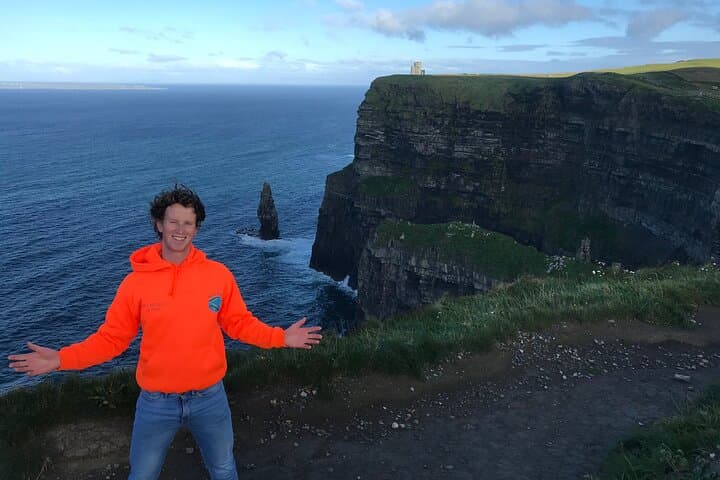
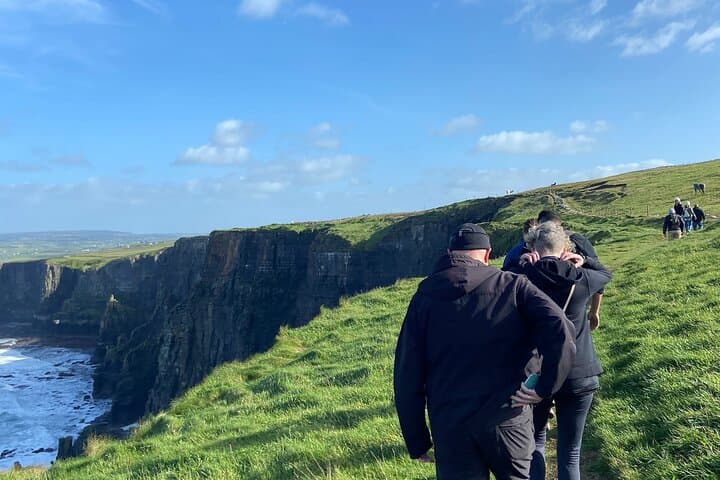
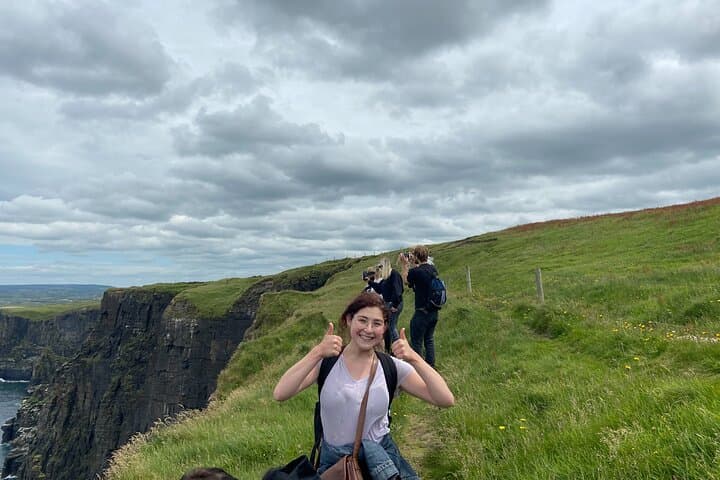
The walk begins in Doolin with the Atlantic wind pushing at your jacket and a lane of whitewashed cottages shrinking behind you. Underfoot the path climbs, then levels, giving steady, wide-open views where the cliffs drop into sea and spray dares you to step closer for the next photograph.
The walk begins in Doolin with the Atlantic wind pushing at your jacket and a lane of whitewashed cottages shrinking behind you. Underfoot the path climbs, then levels, giving steady, wide-open views where the cliffs drop into sea and spray dares you to step closer for the next photograph.
Geology here reads like a slow-motion film: Carboniferous sandstones and shales folded and stacked over 300 million years, a raw escarpment carved by waves and time. The route follows traditional local sheep trails and sections of old cliff paths that fishermen and farmers once used, so the guide layers in stories about fishing families, coastwise trade, and the occasional smuggling legend.
Wild seabird colonies animate the rock faces—kittiwakes, razorbills and, in season, puffins—while the Burren’s limestone edges creep inland, revealing plants that thrive on thin soil. Repairs to visitor infrastructure are common; access to the visitor centre may be restricted but doesn’t blunt the core experience: five miles of coast, roughly 3–4 hours at a relaxed pace with stops for photos and context.
Practical notes: wear waterproof, grippy boots, bring windproof layers and at least 1–2L of water. Expect variable weather—start early for calmer conditions and clearer light. The tour finishes where transport is arranged back to Doolin; if you want extra time at viewpoints, mention it when booking. Stay on marked paths to protect nesting birds and fragile vegetation—this coastline changes quickly, and respect for the land keeps it open to hikers.