THE ADVENTURE COLLECTIVE® · Independent discovery and booking for outdoor travel

A private minibus tour from Killarney that pairs medieval Bunratty Castle with the dramatic Cliffs of Moher, driving along the Wild Atlantic Way and through the Burren. Expect short walks, coastal wind, and vivid geology over a 6–7 hour day trip.
A private minibus tour from Killarney that pairs medieval Bunratty Castle with the dramatic Cliffs of Moher, driving along the Wild Atlantic Way and through the Burren. Expect short walks, coastal wind, and vivid geology over a 6–7 hour day trip.
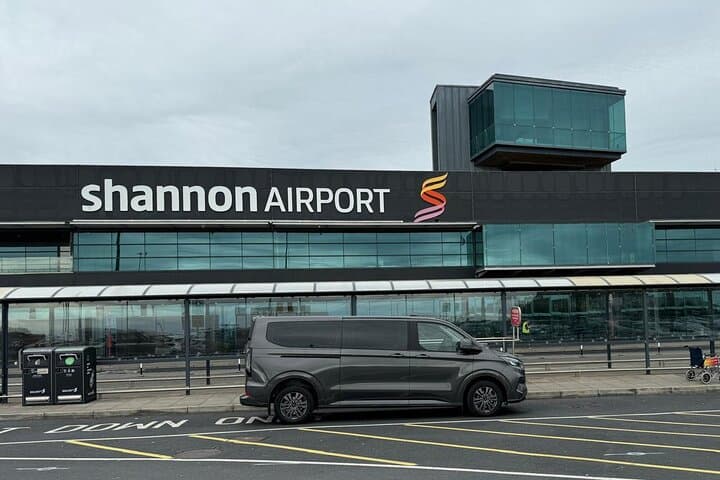
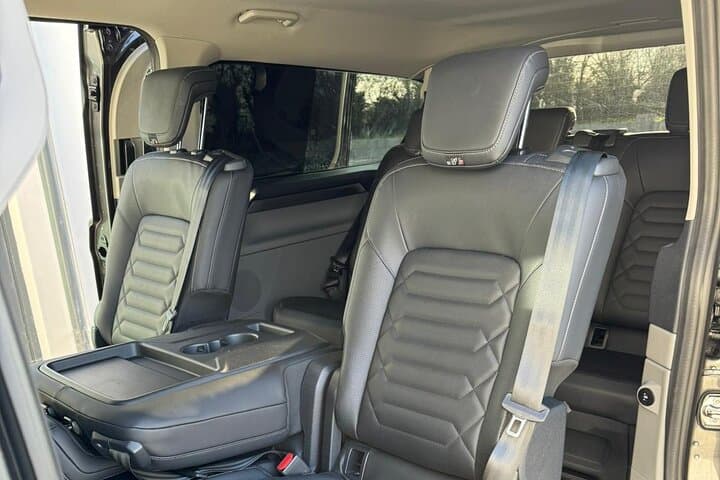
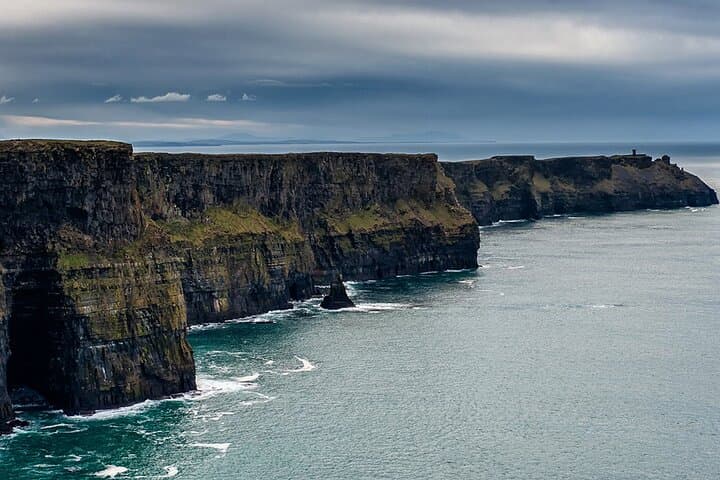
A low-slung minibus threads the Wild Atlantic Way as sea wind pushes at the glass; you feel the coast drawing nearer long before the cliffs appear. The landscape opens into limestone folded flat by ancient seas, then rises abruptly to the Cliffs of Moher where Atlantic spray dares you to stand at the edge and look straight down.
Verified experiences and guided adventures in the surrounding area.
Operated by Kerry Taxi Tours · Killarney, County Kerry
A low-slung minibus threads the Wild Atlantic Way as sea wind pushes at the glass; you feel the coast drawing nearer long before the cliffs appear. The landscape opens into limestone folded flat by ancient seas, then rises abruptly to the Cliffs of Moher where Atlantic spray dares you to stand at the edge and look straight down.
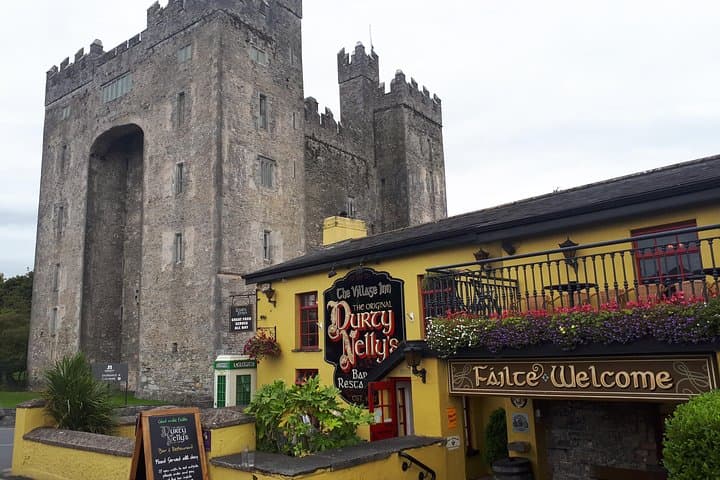
Start the day with Bunratty Castle and Folk Park — a well-preserved 15th-century stronghold and recreated village that shows rural Irish life through time. Continue west across the Burren, a karst plateau of exposed limestone pavements, scalloped grikes and resilient wildflowers that cling to shallow soils. Where geology meets weather, the Cliffs reach 214 m (702 ft) at their highest point and stretch roughly 8 km (5 miles) along the coast, creating sheer faces that channel wind and seabirds alike.
Culturally, the route traces Gaelic and maritime livelihoods: sheep farms on stony hills, isolated cottages, and towns shaped by fishing and trade. Local guides add context — folklore, shipwrecks, and the engineering of the visitor path.
Practical guidance: the full excursion runs about 6–7 hours with coach transfers and short walks at both sites; allow time at the Cliffs Visitor Centre for exhibits and toilets. Footwear should have grippy soles for uneven paths; a waterproof shell is essential — Atlantic weather changes fast. Morning departures can avoid larger crowds and catch lower light for photography. Respect fenced boundaries and seabird nesting zones, and bring water and a charged phone for photos and navigation.
easy.
6–7 hours.
Light physical activity; must be able to walk short uneven trails and handle steps.
The tour is about 6–7 hours total with short walks at Bunratty and at designated points along the Cliffs; most time is spent on the minibus.
Admission is typically not included — check the booking details; the itinerary notes admission as 'NO' so expect to pay separately if required.
Some itineraries can be adapted to include a drop-off in Galway via the Burren; confirm with the operator when booking.
Yes — the tour listing indicates stroller access and infant seats are available; service animals are allowed. Always check specifics with the operator ahead of travel.
Bunratty Castle dates to the 15th century and the surrounding folk park reconstructs rural Irish life from the 19th and early 20th centuries; the Burren’s exposed limestone records ancient marine life and glacial shaping.
The Cliffs and Burren are managed with erosion and nesting protection in mind — follow marked trails and avoid disturbing vegetation to reduce impact.
Kerry Taxi Tours operates guided outdoor trips and adventures with an emphasis on safety, stewardship, and memorable experiences.
A low-slung minibus threads the Wild Atlantic Way as sea wind pushes at the glass; you feel the coast drawing nearer long before the cliffs appear. The landscape opens into limestone folded flat by ancient seas, then rises abruptly to the Cliffs of Moher where Atlantic spray dares you to stand at the edge and look straight down.
A low-slung minibus threads the Wild Atlantic Way as sea wind pushes at the glass; you feel the coast drawing nearer long before the cliffs appear. The landscape opens into limestone folded flat by ancient seas, then rises abruptly to the Cliffs of Moher where Atlantic spray dares you to stand at the edge and look straight down.
Start the day with Bunratty Castle and Folk Park — a well-preserved 15th-century stronghold and recreated village that shows rural Irish life through time. Continue west across the Burren, a karst plateau of exposed limestone pavements, scalloped grikes and resilient wildflowers that cling to shallow soils. Where geology meets weather, the Cliffs reach 214 m (702 ft) at their highest point and stretch roughly 8 km (5 miles) along the coast, creating sheer faces that channel wind and seabirds alike.
Culturally, the route traces Gaelic and maritime livelihoods: sheep farms on stony hills, isolated cottages, and towns shaped by fishing and trade. Local guides add context — folklore, shipwrecks, and the engineering of the visitor path.
Practical guidance: the full excursion runs about 6–7 hours with coach transfers and short walks at both sites; allow time at the Cliffs Visitor Centre for exhibits and toilets. Footwear should have grippy soles for uneven paths; a waterproof shell is essential — Atlantic weather changes fast. Morning departures can avoid larger crowds and catch lower light for photography. Respect fenced boundaries and seabird nesting zones, and bring water and a charged phone for photos and navigation.