THE ADVENTURE COLLECTIVE® · Independent discovery and booking for outdoor travel

Spend a full day from Galway exploring the dramatic Cliffs of Moher, the subterranean passages of Aillwee Cave, and falconry displays at the Birds of Prey Centre. This private, customizable tour combines geology, wildlife, and authentic Irish hospitality.
Spend a full day from Galway exploring the dramatic Cliffs of Moher, the subterranean passages of Aillwee Cave, and falconry displays at the Birds of Prey Centre. This private, customizable tour combines geology, wildlife, and authentic Irish hospitality.
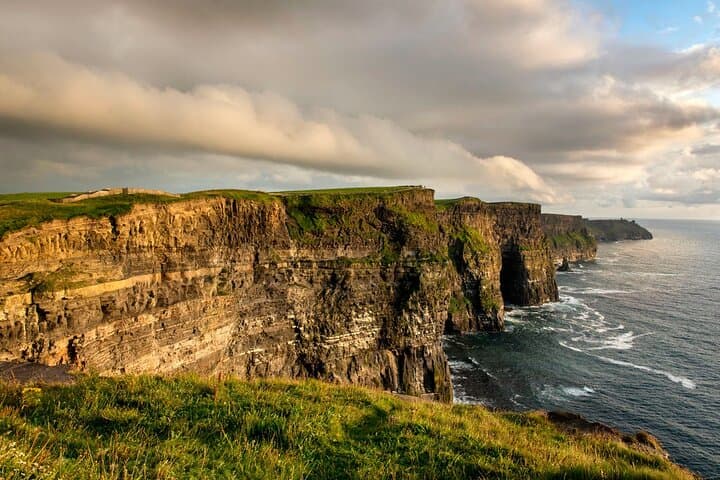
You step out where sea wind bites the face of the land and the Atlantic pushes against rock—the Cliffs of Moher rise in a raw, vertical line, waves daring you to lean into the view.
Verified experiences and guided adventures in the surrounding area.
Operated by Connemara Chauffeurs · Doolin, County Clare
You step out where sea wind bites the face of the land and the Atlantic pushes against rock—the Cliffs of Moher rise in a raw, vertical line, waves daring you to lean into the view.
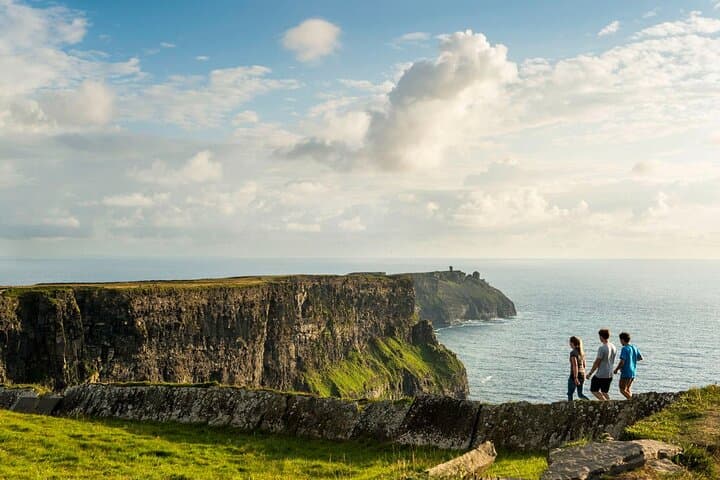
These cliffs run roughly 14 km (8.7 miles) along County Clare and reach up to 214 m (702 ft) above the surf, offering clear sightlines to the Aran Islands and, on good days, Galway Bay and Connemara’s ridges. Geologically, the cliffs are Devonian shale and sandstone folded and eroded over millions of years; the Burren’s limestone nearby tells a different, karst story that leads naturally to the Aillwee Cave beneath it.
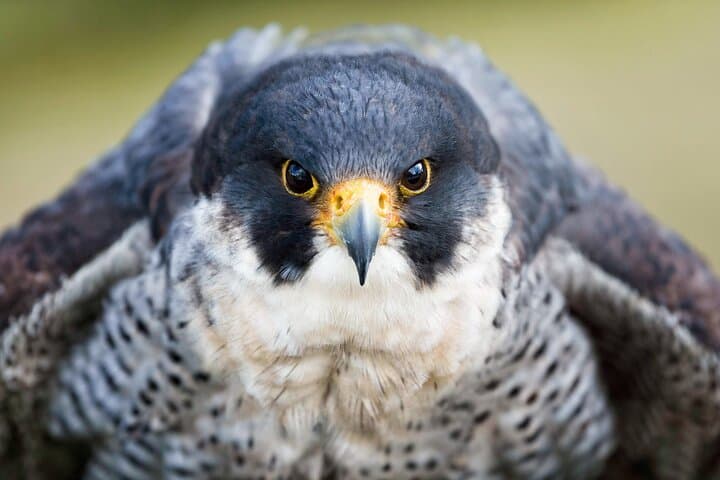
Aillwee Cave, explored in the 1940s, reveals stalactites, underground streams and Ice Age traces—fossil records hint at animals, including long-extinct bears. Above ground, the Birds of Prey Centre stages falconry displays that connect a living tradition of raptor husbandry to the landscape. For a meal, historic Gus O’Connor’s Pub (est. 1832) in Doolin supplies hearty chowder and local music, a practical stop to warm up or dry out.
Practical guide: tours run about eight hours from Galway with private transport and a guide; Cliffs and Aillwee admission are typically included. Dress for wind and rain—waterproof outer layer and sturdy walking shoes are non-negotiable. Time your visit early or late to avoid peak coach crowds; binoculars and a camera with a wide lens pay dividends. Mobility varies—paved paths and viewing platforms at the Visitor Experience are accessible, while cave passages require steps and uneven surfaces. Bring a charged phone, reusable bottle, and expect shifting weather; the coastline and cave together make for a full-day contrast of exposed sea cliffs and subterranean calm.
easy.
8 hours.
Suitable for most fitness levels; expect moderate walking with some steps and short uneven sections
The tour is about 8 hours from Galway and typically includes private transportation, a guide, and admission to the Cliffs of Moher Visitor Experience and Aillwee Cave; lunch at a pub is a customizable stop.
Yes—this itinerary is family-friendly; infants may need to sit on laps in the vehicle and the cave has steps, so supervise young children closely.
Photography is allowed at the Cliffs and most areas of Aillwee Cave; bring protective gear for cameras because wind-driven spray is common on the cliffs.
Cliffs Visitor Experience has paved paths and viewing platforms that are accessible, but the cave involves uneven surfaces and steps—check with the operator if mobility is a concern.
The Cliffs of Moher have been a coastal landmark for centuries and are part of the Wild Atlantic Way; Aillwee Cave’s modern exploration began in the 1940s, revealing Ice Age deposits and ancient fauna.
The Visitor Experience emphasizes erosion management and habitat protection for nesting seabirds; visitors are asked to stay on marked paths and avoid disturbing wildlife.
Connemara Chauffeurs operates guided outdoor trips and adventures with an emphasis on safety, stewardship, and memorable experiences.
You step out where sea wind bites the face of the land and the Atlantic pushes against rock—the Cliffs of Moher rise in a raw, vertical line, waves daring you to lean into the view.
You step out where sea wind bites the face of the land and the Atlantic pushes against rock—the Cliffs of Moher rise in a raw, vertical line, waves daring you to lean into the view.
These cliffs run roughly 14 km (8.7 miles) along County Clare and reach up to 214 m (702 ft) above the surf, offering clear sightlines to the Aran Islands and, on good days, Galway Bay and Connemara’s ridges. Geologically, the cliffs are Devonian shale and sandstone folded and eroded over millions of years; the Burren’s limestone nearby tells a different, karst story that leads naturally to the Aillwee Cave beneath it.
Aillwee Cave, explored in the 1940s, reveals stalactites, underground streams and Ice Age traces—fossil records hint at animals, including long-extinct bears. Above ground, the Birds of Prey Centre stages falconry displays that connect a living tradition of raptor husbandry to the landscape. For a meal, historic Gus O’Connor’s Pub (est. 1832) in Doolin supplies hearty chowder and local music, a practical stop to warm up or dry out.
Practical guide: tours run about eight hours from Galway with private transport and a guide; Cliffs and Aillwee admission are typically included. Dress for wind and rain—waterproof outer layer and sturdy walking shoes are non-negotiable. Time your visit early or late to avoid peak coach crowds; binoculars and a camera with a wide lens pay dividends. Mobility varies—paved paths and viewing platforms at the Visitor Experience are accessible, while cave passages require steps and uneven surfaces. Bring a charged phone, reusable bottle, and expect shifting weather; the coastline and cave together make for a full-day contrast of exposed sea cliffs and subterranean calm.