THE ADVENTURE COLLECTIVE® · Independent discovery and booking for outdoor travel

Glide over seagrass and beneath mangrove roots in a clear-hulled kayak on this 2–3 hour Flagler County eco tour. Expect close wildlife encounters, calm flat-water paddling, and an informative local guide.
Glide over seagrass and beneath mangrove roots in a clear-hulled kayak on this 2–3 hour Flagler County eco tour. Expect close wildlife encounters, calm flat-water paddling, and an informative local guide.
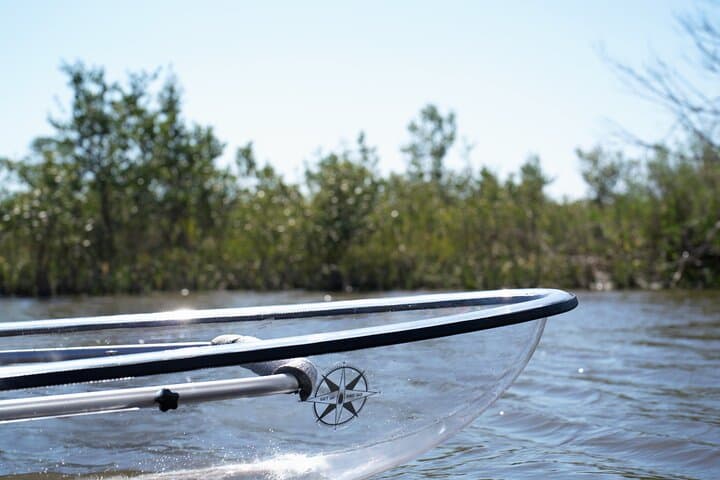
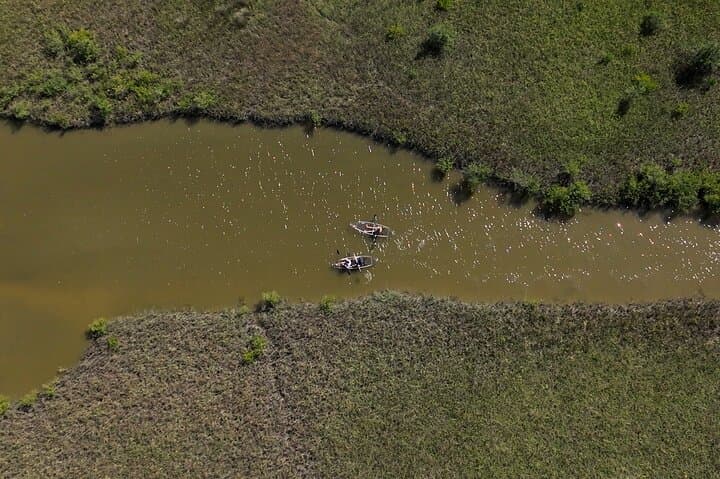
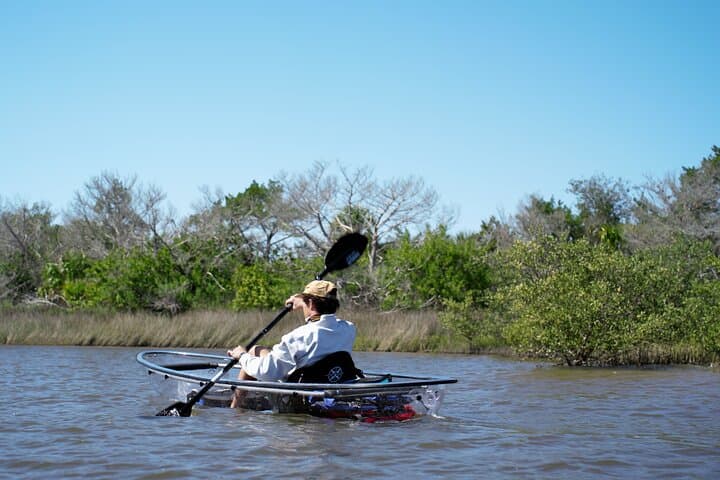
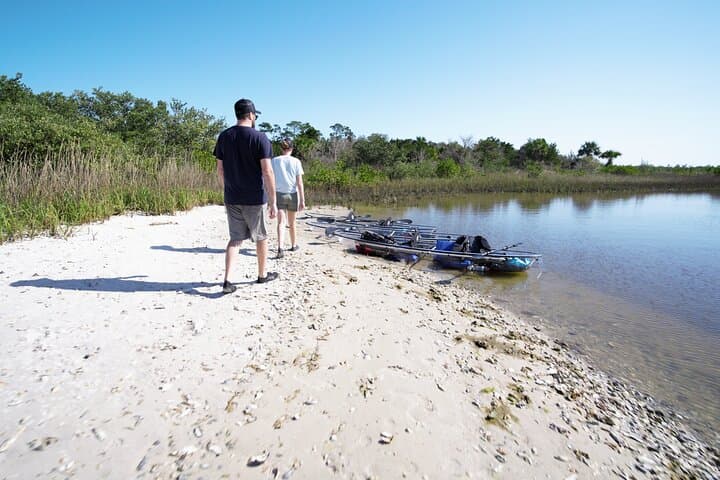
The clear kayak slides forward and the estuary opens beneath you like a shallow aquarium—seagrass beds ripple, minnows scatter, and a kingfisher watches from a mangrove limb. This small-group, 2–3 hour guided eco paddle threads winding creeks and back channels of Flagler County’s intracoastal estuary, where tidal currents sculpt narrow channels through salt-tolerant mangroves and oyster-lined flats.
Verified experiences and guided adventures in the surrounding area.
Operated by Get Up and Go Kayaking- Flagler · Flagler Beach, Florida
The clear kayak slides forward and the estuary opens beneath you like a shallow aquarium—seagrass beds ripple, minnows scatter, and a kingfisher watches from a mangrove limb. This small-group, 2–3 hour guided eco paddle threads winding creeks and back channels of Flagler County’s intracoastal estuary, where tidal currents sculpt narrow channels through salt-tolerant mangroves and oyster-lined flats.
Geologically this stretch sits atop Florida’s carbonate platform; the low, flat coastline creates broad, shallow estuaries where riverine sediment and ocean tides mix. Human history here stretches from Timucua presence to the late 19th-century development led by Henry Flagler, whose rail and coastal infrastructure shaped modern towns like Flagler Beach and Palm Coast. Today the coastline supports fishing communities, shorebird roosts, and a growing ecotourism culture focused on protection of seagrass and mangrove habitat.
Expect close-up wildlife viewing—herons, diving fish, and the occasional dolphin silhouette—plus a calm, mostly flat-water paddle that’s as much observational as athletic. Guides use fully clear-hulled kayaks and provide safety gear and interpretation; the route is suitable for novice paddlers with moderate fitness.
Practical guidance: book morning departures to avoid heat and afternoon storms, wear breathable sun layers and a brimmed hat, and carry a dry bag for phones. Listen to the guide’s brief on tidal flow and wildlife etiquette—keeping distance from nests and seagrass is part of sustaining the place. The trip’s rhythm is slow and deliberate: paddle, look down, and let the estuary tell its story.
moderate.
2–3 hours.
Expect steady paddling for 2–3 hours; moderate cardiovascular fitness and core strength help with balance and strokes.
No. Tours are guided and suitable for novices, though a moderate fitness level and basic balance help; guides give a safety/paddling briefing.
Booking requires age information on checkout. Operators typically allow children accompanied by adults—check the provider’s specific age rules when reserving.
All sales are final according to the operator; tours may be canceled for severe weather and guests are informed if a refund or rebooking applies under those conditions.
Launching clear kayaks often requires stepping into a shallow launch or onto a dock; contact the operator in advance to discuss mobility accommodations.
Flagler County’s coastline sits on lands once inhabited by the Timucua; late 19th-century development by Henry Flagler shifted the area toward rail-linked tourism and fishing.
Mangroves and seagrass beds here are fragile—stay in marked channels, use reef-safe sunscreen, and avoid trampling flats to reduce habitat damage.
Get Up and Go Kayaking- Flagler operates guided outdoor trips and adventures with an emphasis on safety, stewardship, and memorable experiences.
The clear kayak slides forward and the estuary opens beneath you like a shallow aquarium—seagrass beds ripple, minnows scatter, and a kingfisher watches from a mangrove limb. This small-group, 2–3 hour guided eco paddle threads winding creeks and back channels of Flagler County’s intracoastal estuary, where tidal currents sculpt narrow channels through salt-tolerant mangroves and oyster-lined flats.
The clear kayak slides forward and the estuary opens beneath you like a shallow aquarium—seagrass beds ripple, minnows scatter, and a kingfisher watches from a mangrove limb. This small-group, 2–3 hour guided eco paddle threads winding creeks and back channels of Flagler County’s intracoastal estuary, where tidal currents sculpt narrow channels through salt-tolerant mangroves and oyster-lined flats.
Geologically this stretch sits atop Florida’s carbonate platform; the low, flat coastline creates broad, shallow estuaries where riverine sediment and ocean tides mix. Human history here stretches from Timucua presence to the late 19th-century development led by Henry Flagler, whose rail and coastal infrastructure shaped modern towns like Flagler Beach and Palm Coast. Today the coastline supports fishing communities, shorebird roosts, and a growing ecotourism culture focused on protection of seagrass and mangrove habitat.
Expect close-up wildlife viewing—herons, diving fish, and the occasional dolphin silhouette—plus a calm, mostly flat-water paddle that’s as much observational as athletic. Guides use fully clear-hulled kayaks and provide safety gear and interpretation; the route is suitable for novice paddlers with moderate fitness.
Practical guidance: book morning departures to avoid heat and afternoon storms, wear breathable sun layers and a brimmed hat, and carry a dry bag for phones. Listen to the guide’s brief on tidal flow and wildlife etiquette—keeping distance from nests and seagrass is part of sustaining the place. The trip’s rhythm is slow and deliberate: paddle, look down, and let the estuary tell its story.