THE ADVENTURE COLLECTIVE® · Independent discovery and booking for outdoor travel

Follow a mountain stream through old‑growth forest to two waterfalls on a guided moderate hike in Great Smoky Mountains National Park. Learn geology, wildlife, and safety from Wilderness First Responder guides while enjoying cascades and shaded pools.
Follow a mountain stream through old‑growth forest to two waterfalls on a guided moderate hike in Great Smoky Mountains National Park. Learn geology, wildlife, and safety from Wilderness First Responder guides while enjoying cascades and shaded pools.
You step off the forest road and the mountain river takes over: water threading over granite, small cascades choir‑like, and two distinct falls dropping into shaded pools. The trail keeps the stream in earshot, sometimes within arm’s reach, as you move deeper into old‑growth hardwoods where the air smells of wet stone and hemlock.
Verified experiences and guided adventures in the surrounding area.
Operated by A Walk in the Woods · Gatlinburg, Tennessee
You step off the forest road and the mountain river takes over: water threading over granite, small cascades choir‑like, and two distinct falls dropping into shaded pools. The trail keeps the stream in earshot, sometimes within arm’s reach, as you move deeper into old‑growth hardwoods where the air smells of wet stone and hemlock.
This is classic Great Smoky Mountains terrain — Paleozoic sandstones and shales worn into steep hollows where water carves its route. The park sits on Cherokee ancestral lands and later supported logging and mountain communities before federal protection began in the 1930s; the trails you walk today follow routes that locals and woodsmen used for generations.
Expect uneven, rooty tread, short rock scrambles near cascades, and steady, moderate climbs and descents. A guided naturalist will point out salamander habitat, native wildflowers and the seasonal pulse of the stream; guides on this route are Wilderness First Responders trained in non‑lethal bear aversion.
Practical notes: the outing runs about 4–5 hours total, so bring 1–2 liters of water, sturdy boots with tread, and layered clothing for changing mountain weather. Parking passes are required for stops over 15 minutes — purchase ahead and follow driving directions (GPS can be unreliable). Pack snacks supplied on the tour, practice Leave No Trace, and give wildlife space. Go early for lower crowds and clearer light at the falls. The hike balances sensory reward — rushing water, close forest, cool spray — with the steady, pragmatic needs of backcountry travel.
moderate.
4–5 hours.
Good baseline fitness with ability to hike uneven terrain for several hours and manage short elevation changes
The tour runs about 4–5 hours total and is rated moderate — uneven footing and short elevation changes require steady fitness, but no technical climbing.
Yes. Great Smoky Mountains requires a parking permit for stops over 15 minutes; purchase at recreation.gov and arrive early to find parking.
Children who can manage multi‑hour hikes are welcome; pets are not allowed on guided walks in the park — confirm age limits with the provider.
Black bears and white‑tailed deer are the most common large animals; guides are trained in non‑lethal aversion techniques and will brief groups on safe distancing and food storage.
The park preserves land long used by Cherokee peoples and later mountain communities; federal protection in the 1930s stopped extensive logging and opened trails visitors use today.
Follow Leave No Trace rules, pack out all waste, and use designated parking to reduce congestion and roadside damage in the park.
A Walk in the Woods operates guided outdoor trips and adventures with an emphasis on safety, stewardship, and memorable experiences.
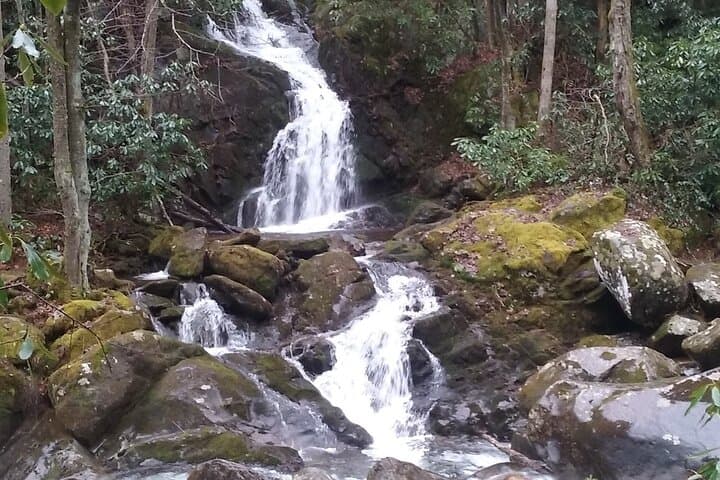
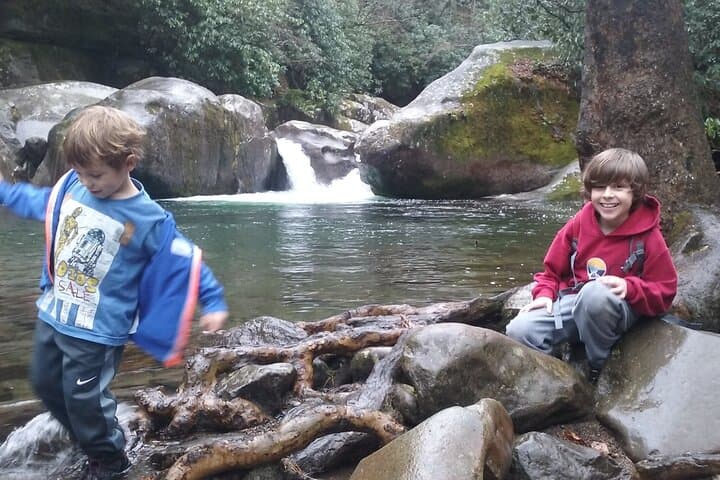
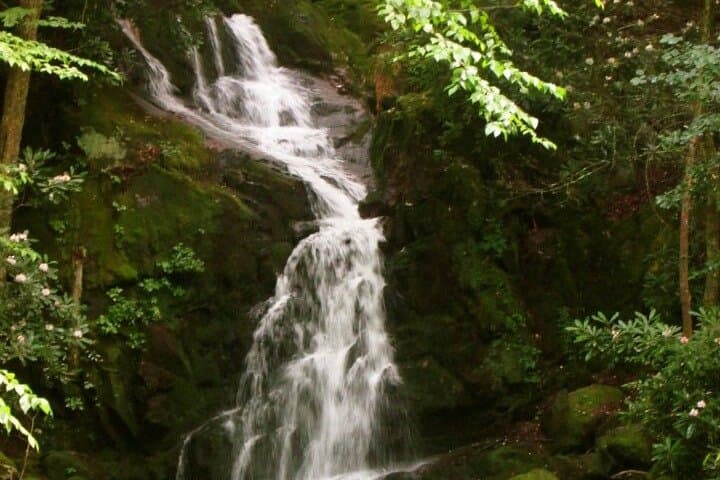
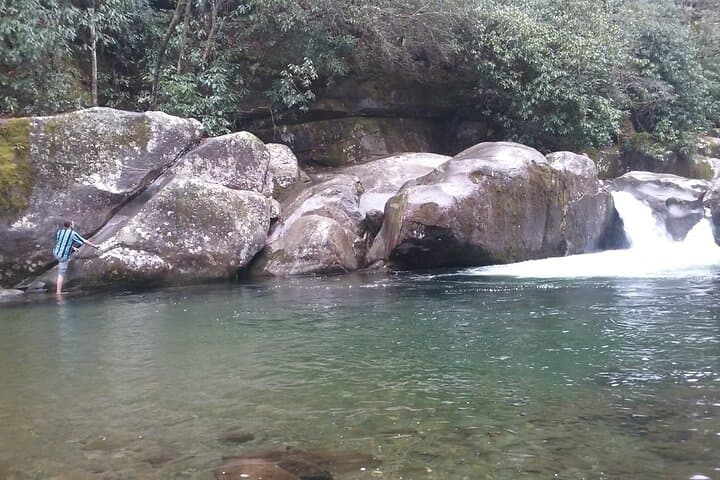
You step off the forest road and the mountain river takes over: water threading over granite, small cascades choir‑like, and two distinct falls dropping into shaded pools. The trail keeps the stream in earshot, sometimes within arm’s reach, as you move deeper into old‑growth hardwoods where the air smells of wet stone and hemlock.
You step off the forest road and the mountain river takes over: water threading over granite, small cascades choir‑like, and two distinct falls dropping into shaded pools. The trail keeps the stream in earshot, sometimes within arm’s reach, as you move deeper into old‑growth hardwoods where the air smells of wet stone and hemlock.
This is classic Great Smoky Mountains terrain — Paleozoic sandstones and shales worn into steep hollows where water carves its route. The park sits on Cherokee ancestral lands and later supported logging and mountain communities before federal protection began in the 1930s; the trails you walk today follow routes that locals and woodsmen used for generations.
Expect uneven, rooty tread, short rock scrambles near cascades, and steady, moderate climbs and descents. A guided naturalist will point out salamander habitat, native wildflowers and the seasonal pulse of the stream; guides on this route are Wilderness First Responders trained in non‑lethal bear aversion.
Practical notes: the outing runs about 4–5 hours total, so bring 1–2 liters of water, sturdy boots with tread, and layered clothing for changing mountain weather. Parking passes are required for stops over 15 minutes — purchase ahead and follow driving directions (GPS can be unreliable). Pack snacks supplied on the tour, practice Leave No Trace, and give wildlife space. Go early for lower crowds and clearer light at the falls. The hike balances sensory reward — rushing water, close forest, cool spray — with the steady, pragmatic needs of backcountry travel.