THE ADVENTURE COLLECTIVE® · Independent discovery and booking for outdoor travel

Float above mangrove roots and reef life on a clear-bottom boat through North Creek, Grand Turk. This 1–2 hour tour mixes wildlife viewing, coastal history, and up-close mangrove ecology—no snorkeling required.
Float above mangrove roots and reef life on a clear-bottom boat through North Creek, Grand Turk. This 1–2 hour tour mixes wildlife viewing, coastal history, and up-close mangrove ecology—no snorkeling required.
The hull slides through a narrow green tunnel and the mangroves lean close, their roots probing the tide as if testing who approaches. Light filters through a glass panel beneath your feet; fish scatter, a turtle pauses, and an osprey wheels above as the boat threads North Creek.
Verified experiences and guided adventures in the surrounding area.
Operated by Aquatic Escapes · Cockburn Town, Grand Turk
The hull slides through a narrow green tunnel and the mangroves lean close, their roots probing the tide as if testing who approaches. Light filters through a glass panel beneath your feet; fish scatter, a turtle pauses, and an osprey wheels above as the boat threads North Creek.
This short, intimate cruise pairs environmental observation with local history. Grand Turk’s flat limestone shelf and fringing reefs formed over millennia, while salt ponds and shallow channels shaped a maritime economy that drew colonial ships — records note Columbus’ 1492 expedition in these waters and the island’s later rise on salt export. A rusting dredger crane by the canal recalls the engineering that opened these channels decades ago.
Guides point out bird roosts, mangrove prop roots, and coral patches visible through the clear-bottom window. The experience is as much ecology lesson as photo op: mangroves act like nursery grounds, filtering sediments and sheltering juvenile fish.
Practical notes: tours depart near the Grand Turk Cruise Center with small groups and life vests provided; duration is about 60–120 minutes. Wear reef-safe sunscreen, bring a hat and a waterproof camera, and expect gentle boat motion — not recommended for people with serious heart issues. Morning light is best for glass-bottom visibility and wildlife activity; afternoons can be brighter but choppier.
The trip is ideal for travelers who want a short, accessible wildlife encounter without snorkeling—an easy, low-impact way to watch a living coastline reveal how geology, history, and habitat connect in a single bay.
easy.
1–2 hours.
Suitable for most fitness levels; able to step on/off a small boat and sit for the tour.
Meet at the main gate of the Grand Turk Cruise Center; operators offer pickup to the North Creek launch site and will coordinate by phone or text on arrival.
Yes — life vests are supplied for all passengers and must be worn if requested by the crew.
Expect to see birds (herons, egrets, osprey), fish, and occasionally turtles; sightings depend on season and tide but guides know the best viewing spots.
Infants must sit on an adult’s lap; the tour is not recommended for travelers with serious cardiovascular conditions or mobility issues requiring assistance.
Grand Turk’s coastline supported a salt-export economy and was visited by early European explorers; the dredger crane and lighthouse are tangible links to that maritime past.
Mangroves are critical nursery habitat and shoreline buffers—avoid disturbing roots or wildlife and use reef-safe products to limit chemical runoff.
Aquatic Escapes operates guided outdoor trips and adventures with an emphasis on safety, stewardship, and memorable experiences.
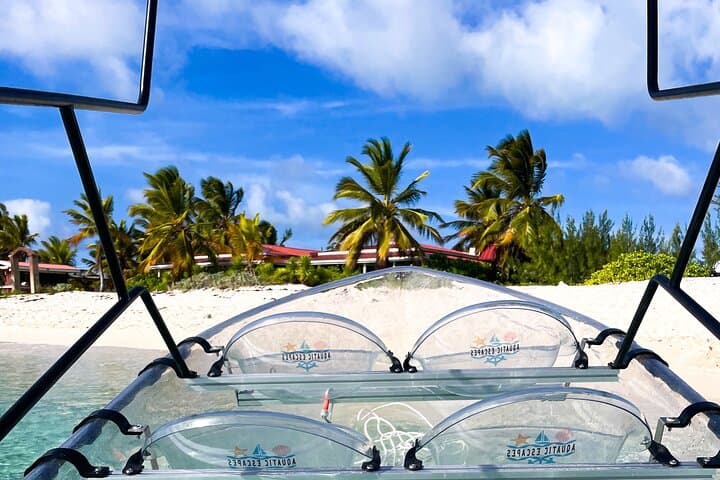
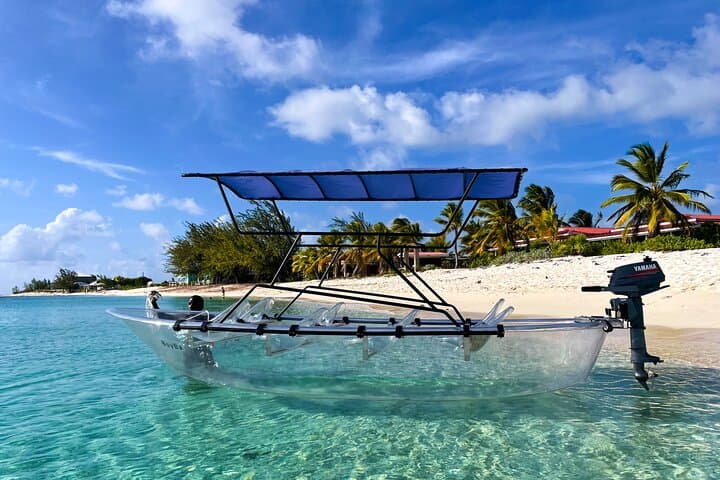
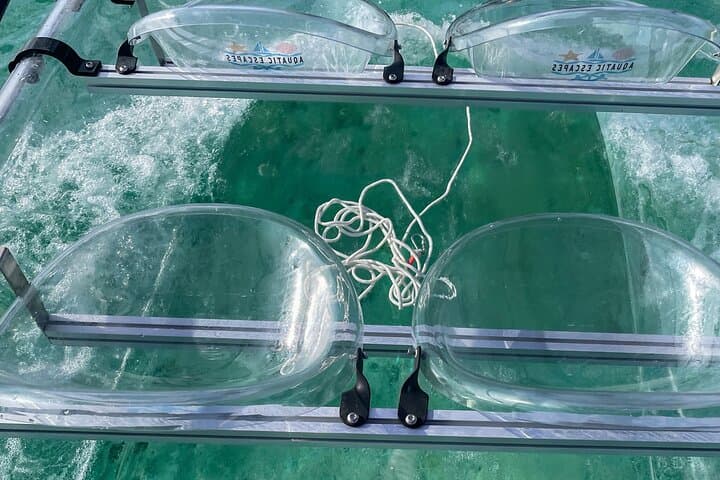
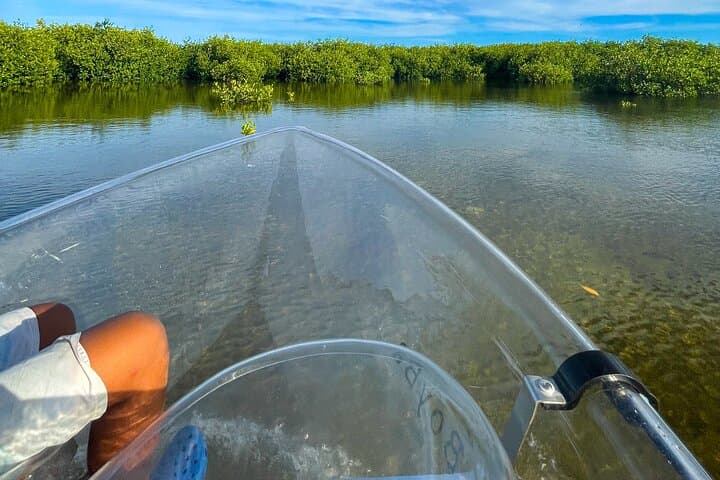
The hull slides through a narrow green tunnel and the mangroves lean close, their roots probing the tide as if testing who approaches. Light filters through a glass panel beneath your feet; fish scatter, a turtle pauses, and an osprey wheels above as the boat threads North Creek.
The hull slides through a narrow green tunnel and the mangroves lean close, their roots probing the tide as if testing who approaches. Light filters through a glass panel beneath your feet; fish scatter, a turtle pauses, and an osprey wheels above as the boat threads North Creek.
This short, intimate cruise pairs environmental observation with local history. Grand Turk’s flat limestone shelf and fringing reefs formed over millennia, while salt ponds and shallow channels shaped a maritime economy that drew colonial ships — records note Columbus’ 1492 expedition in these waters and the island’s later rise on salt export. A rusting dredger crane by the canal recalls the engineering that opened these channels decades ago.
Guides point out bird roosts, mangrove prop roots, and coral patches visible through the clear-bottom window. The experience is as much ecology lesson as photo op: mangroves act like nursery grounds, filtering sediments and sheltering juvenile fish.
Practical notes: tours depart near the Grand Turk Cruise Center with small groups and life vests provided; duration is about 60–120 minutes. Wear reef-safe sunscreen, bring a hat and a waterproof camera, and expect gentle boat motion — not recommended for people with serious heart issues. Morning light is best for glass-bottom visibility and wildlife activity; afternoons can be brighter but choppier.
The trip is ideal for travelers who want a short, accessible wildlife encounter without snorkeling—an easy, low-impact way to watch a living coastline reveal how geology, history, and habitat connect in a single bay.