THE ADVENTURE COLLECTIVE® · Independent discovery and booking for outdoor travel

Ride a restored VW convertible through Ubud’s cultural heart—watch the Barong dance, dip in Tirta Empul’s holy springs, stroll Tegallang rice terraces and visit artisan villages. A full-day, private tour that pairs comfort with hands-on cultural stops.
Ride a restored VW convertible through Ubud’s cultural heart—watch the Barong dance, dip in Tirta Empul’s holy springs, stroll Tegallang rice terraces and visit artisan villages. A full-day, private tour that pairs comfort with hands-on cultural stops.
You turn a narrow Balinese lane and the engine of a restored VW convertible sighs as rice fields and small temples slide into view. Morning light picks out carved stone at Tirta Empul; later the Barong’s painted mask fills a dim theater with fierce movement. The day is a slow, tactile unspooling of Ubud’s cultural essentials, seen from the comfortable seat of a classic car.
Verified experiences and guided adventures in the surrounding area.
Operated by Toke Toke Bali Tour · Ubud, Bali
You turn a narrow Balinese lane and the engine of a restored VW convertible sighs as rice fields and small temples slide into view. Morning light picks out carved stone at Tirta Empul; later the Barong’s painted mask fills a dim theater with fierce movement. The day is a slow, tactile unspooling of Ubud’s cultural essentials, seen from the comfortable seat of a classic car.
The route threads local history and living tradition: Tegallang’s stepped paddies are part of Bali’s centuries-old subak irrigation, a cooperative water-management system that shaped both landscape and social life. Tirta Empul’s holy springs reflect Hindu-Balinese ritual practice and stonework that evolved under Majapahit influence. Villages such as Celuk and Mas showcase artisanal trades—silversmithing and woodcarving—that supply temples and tourist markets alike.
Geology is quiet but present: volcanic soils create the lush terraces and constant springs; you’ll notice the dark, fertile mud beneath gardeners’ feet. Culture arrives in motion—dance, carved masks, and the courtesy of temple protocol.
Practical guidance: the full private tour runs about eight hours, with short walks at each stop and some uneven paths at the rice terraces and waterfall. Bring a sarong or be prepared to borrow one before entering temple compounds. Wear sturdy sandals or light hiking shoes for slippery steps, carry sun protection and a small amount of cash for village purchases. Expect several brief photo stops and a paced schedule that balances performance viewing, a temple visit, artisan studios and scenic overlooks—ideal for travelers who want curated cultural depth without strenuous hiking.
easy.
8 hours.
Suitable for most fitness levels; involves short, moderate walks and standing during performances
Admission is usually not included; bring a sarong and shoulder-covering top—most operators provide or can loan a sarong if needed.
Some waterfalls allow swimming but conditions vary; wear water-friendly shoes and follow local guidance on currents and safety.
Barong performances are typically scheduled but times can change; operator confirmation on the day secures your performance slot.
Yes — the tour is paced and vehicle-based with short walks; note it’s not recommended for people with serious spinal or heart conditions.
Tegallang’s terraces reflect Bali’s subak irrigation tradition, a communal system dating back centuries; Barong dance embodies the island’s Hindu myth cycles.
Respect temple rules, avoid single-use plastics, and support local artisans directly to keep economic benefits in villages.
Toke Toke Bali Tour operates guided outdoor trips and adventures with an emphasis on safety, stewardship, and memorable experiences.
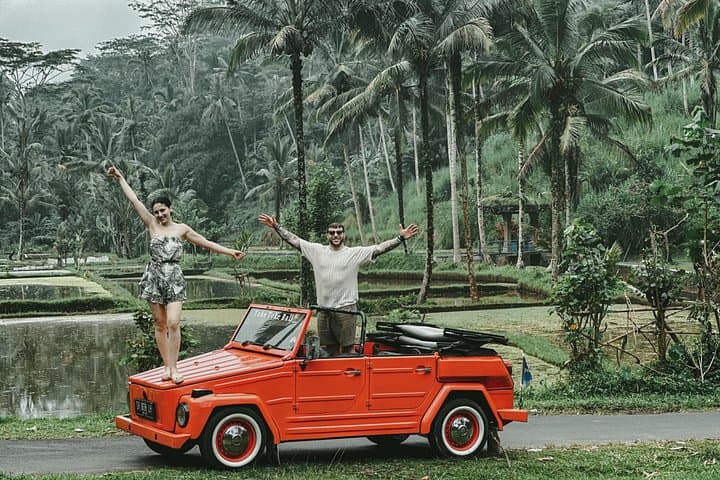
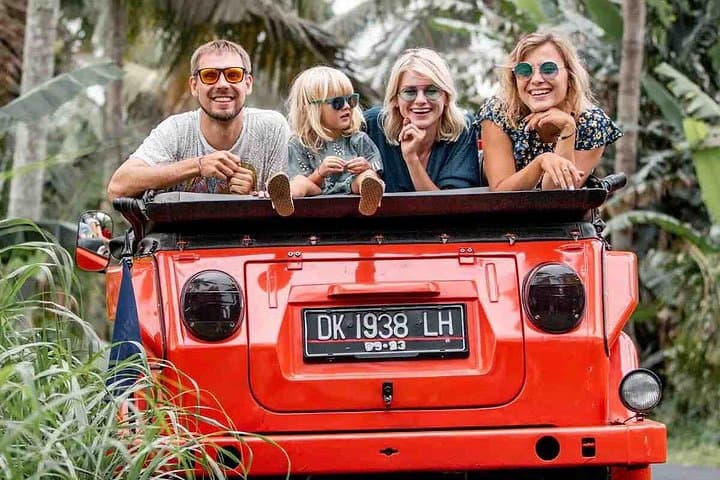
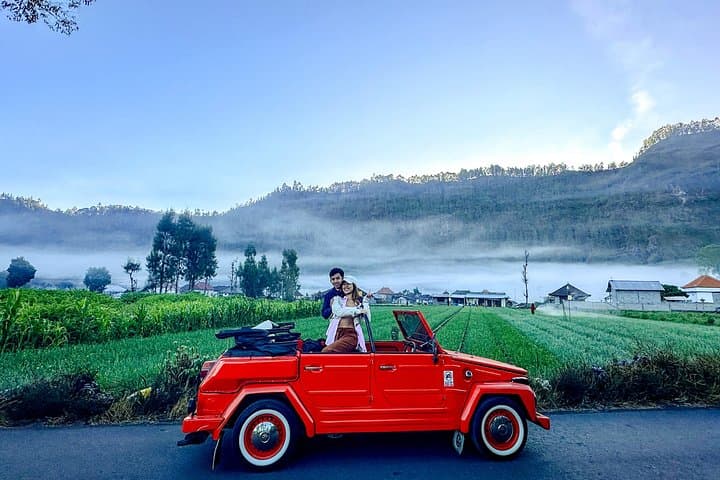
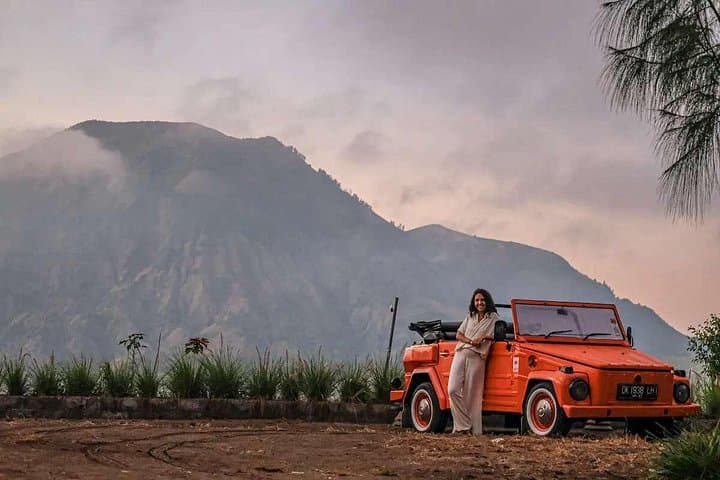
You turn a narrow Balinese lane and the engine of a restored VW convertible sighs as rice fields and small temples slide into view. Morning light picks out carved stone at Tirta Empul; later the Barong’s painted mask fills a dim theater with fierce movement. The day is a slow, tactile unspooling of Ubud’s cultural essentials, seen from the comfortable seat of a classic car.
You turn a narrow Balinese lane and the engine of a restored VW convertible sighs as rice fields and small temples slide into view. Morning light picks out carved stone at Tirta Empul; later the Barong’s painted mask fills a dim theater with fierce movement. The day is a slow, tactile unspooling of Ubud’s cultural essentials, seen from the comfortable seat of a classic car.
The route threads local history and living tradition: Tegallang’s stepped paddies are part of Bali’s centuries-old subak irrigation, a cooperative water-management system that shaped both landscape and social life. Tirta Empul’s holy springs reflect Hindu-Balinese ritual practice and stonework that evolved under Majapahit influence. Villages such as Celuk and Mas showcase artisanal trades—silversmithing and woodcarving—that supply temples and tourist markets alike.
Geology is quiet but present: volcanic soils create the lush terraces and constant springs; you’ll notice the dark, fertile mud beneath gardeners’ feet. Culture arrives in motion—dance, carved masks, and the courtesy of temple protocol.
Practical guidance: the full private tour runs about eight hours, with short walks at each stop and some uneven paths at the rice terraces and waterfall. Bring a sarong or be prepared to borrow one before entering temple compounds. Wear sturdy sandals or light hiking shoes for slippery steps, carry sun protection and a small amount of cash for village purchases. Expect several brief photo stops and a paced schedule that balances performance viewing, a temple visit, artisan studios and scenic overlooks—ideal for travelers who want curated cultural depth without strenuous hiking.