THE ADVENTURE COLLECTIVE® · Independent discovery and booking for outdoor travel

A 12-day sweep across Sri Lanka from Colombo’s markets to Sigiriya’s rock, hill-country tea trains, elephant safaris and southern whale watching. Practical tips for timing, packing and respectful wildlife viewing to help you plan the trip.
A 12-day sweep across Sri Lanka from Colombo’s markets to Sigiriya’s rock, hill-country tea trains, elephant safaris and southern whale watching. Practical tips for timing, packing and respectful wildlife viewing to help you plan the trip.
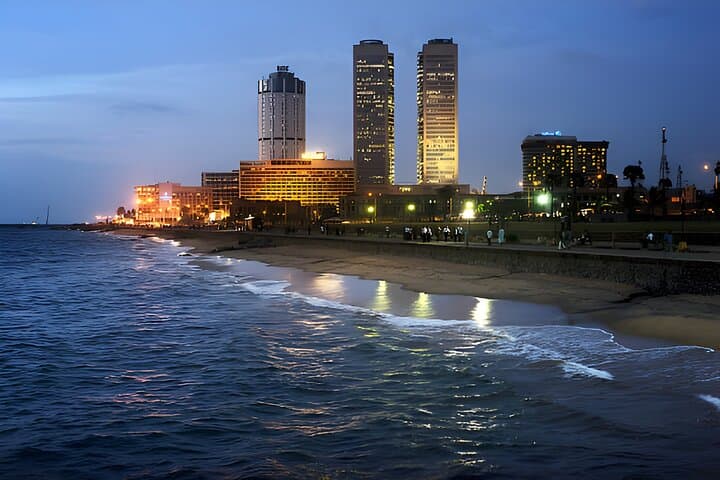
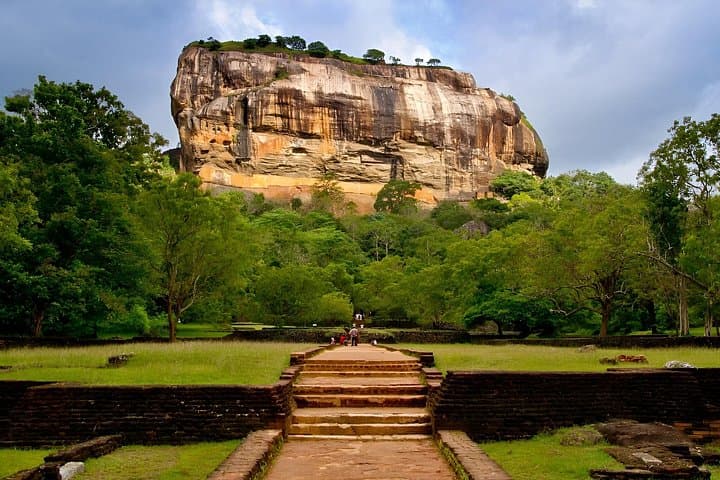
You step off the plane into humid Colombo air, tuk-tuks humming and the scent of spice markets drawing you toward the ocean. The first days move from Pettah’s crowded lanes to Galle Face Green’s wind-swept palette; by Day 3 you are approaching Sigiriya, a sheer rock that demands a steady pace and offers audacious views.
Verified experiences and guided adventures in the surrounding area.
Operated by Travelhubslk · Colombo, Western Province
You step off the plane into humid Colombo air, tuk-tuks humming and the scent of spice markets drawing you toward the ocean. The first days move from Pettah’s crowded lanes to Galle Face Green’s wind-swept palette; by Day 3 you are approaching Sigiriya, a sheer rock that demands a steady pace and offers audacious views.
Sri Lanka’s story is written in layers: prehistoric irrigation works, the ancient kingdoms around Anuradhapura and Polonnaruwa, then Portuguese, Dutch and British ports of call. Geology alternates between the island’s central highlands—old Precambrian rock folded into tea-carpeted slopes—and the lowland plains where elephants gather seasonally. Culture is tactile here: temple rituals in Kandy, handmade tea leaves in Nuwara Eliya's estates, and coastal nets in the south.
Practical guidance: the itinerary covers roads and short hikes rather than technical routes; pack for heat, sun and occasional showers. Whale season on the south coast runs roughly December–April; elephant herds concentrate in Minneriya during the dry months. Expect multi-hour drives between regions—private transport is included—so bring a daypack, electrolyte sachets and layers for hill-country mornings.
Move deliberately: climb Sigiriya early to avoid heat, reserve train seats between Nuwara Eliya and Ella for window views, and choose licensed vessels for whale watching. Respect temple dress codes (shoulders and knees covered) and local wildlife guidelines—keep distance, don’t feed animals, and support operators who use small-group, low-impact approaches.
moderate.
12 days.
Moderate fitness; able to manage stairs, short hikes and several hours of walking and transfers.
Most nationalities require an ETA (Electronic Travel Authorization) obtained online before arrival; check current entry rules for your passport.
Whale season on the south coast is typically December through April, offering the best offshore sighting probabilities.
The tour involves stairs, uneven terrain (e.g., Sigiriya steps) and multiple transfers; it’s not ideal for those with significant mobility restrictions.
Cards are accepted in many hotels and larger restaurants, but carry local cash (Sri Lankan rupees) for markets, tips and rural vendors.
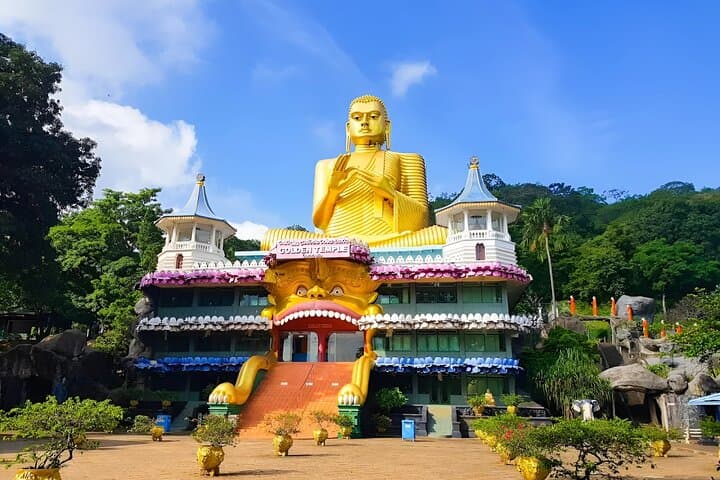
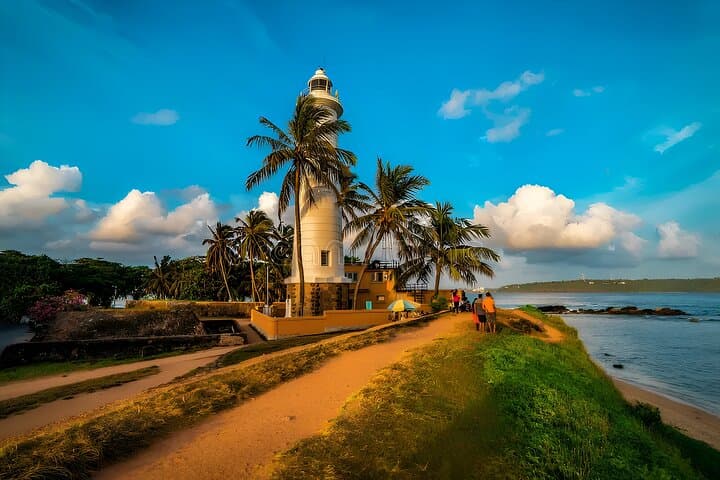
Sri Lanka’s cultural landscape reflects ancient Sinhalese kingdoms, with major monuments like Sigiriya and Dambulla dating back over a thousand years and colonial layers visible in Galle Fort.
Human–wildlife conflict and coastal marine conservation are active issues; choose operators that follow distance guidelines during wildlife encounters and avoid single-use plastics.
Travelhubslk operates guided outdoor trips and adventures with an emphasis on safety, stewardship, and memorable experiences.
You step off the plane into humid Colombo air, tuk-tuks humming and the scent of spice markets drawing you toward the ocean. The first days move from Pettah’s crowded lanes to Galle Face Green’s wind-swept palette; by Day 3 you are approaching Sigiriya, a sheer rock that demands a steady pace and offers audacious views.
You step off the plane into humid Colombo air, tuk-tuks humming and the scent of spice markets drawing you toward the ocean. The first days move from Pettah’s crowded lanes to Galle Face Green’s wind-swept palette; by Day 3 you are approaching Sigiriya, a sheer rock that demands a steady pace and offers audacious views.
Sri Lanka’s story is written in layers: prehistoric irrigation works, the ancient kingdoms around Anuradhapura and Polonnaruwa, then Portuguese, Dutch and British ports of call. Geology alternates between the island’s central highlands—old Precambrian rock folded into tea-carpeted slopes—and the lowland plains where elephants gather seasonally. Culture is tactile here: temple rituals in Kandy, handmade tea leaves in Nuwara Eliya's estates, and coastal nets in the south.
Practical guidance: the itinerary covers roads and short hikes rather than technical routes; pack for heat, sun and occasional showers. Whale season on the south coast runs roughly December–April; elephant herds concentrate in Minneriya during the dry months. Expect multi-hour drives between regions—private transport is included—so bring a daypack, electrolyte sachets and layers for hill-country mornings.
Move deliberately: climb Sigiriya early to avoid heat, reserve train seats between Nuwara Eliya and Ella for window views, and choose licensed vessels for whale watching. Respect temple dress codes (shoulders and knees covered) and local wildlife guidelines—keep distance, don’t feed animals, and support operators who use small-group, low-impact approaches.