
Classic Salkantay Trek to Machu Picchu: 5-Day Salkantay Pass, Humantay & Cloud Forest
A five-day alternative to the Inca Trail, the Salkantay Trek crosses high Andean passes, turquoise glacial lakes and verdant cloud forest before delivering you to Machu Picchu at sunrise. Expect challenging climbs, varied ecosystems, and a mix of camping and village stays.
An Adventure In Cusco.
A five-day alternative to the Inca Trail, the Salkantay Trek crosses high Andean passes, turquoise glacial lakes and verdant cloud forest before delivering you to Machu Picchu at sunrise. Expect challenging climbs, varied ecosystems, and a mix of camping and village stays.
Read the full experience
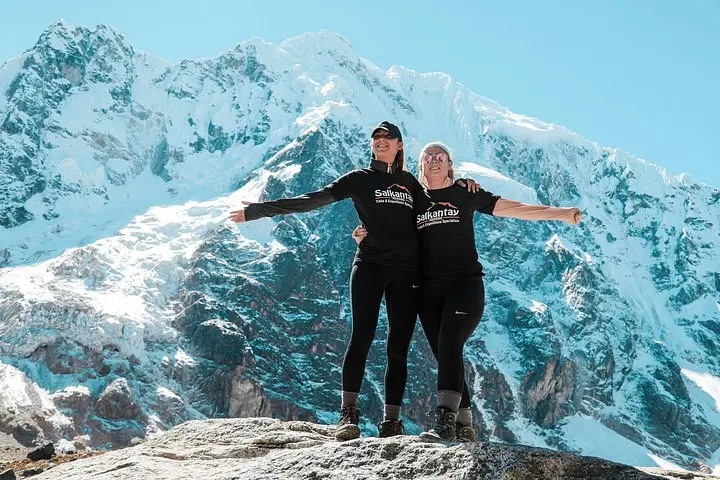
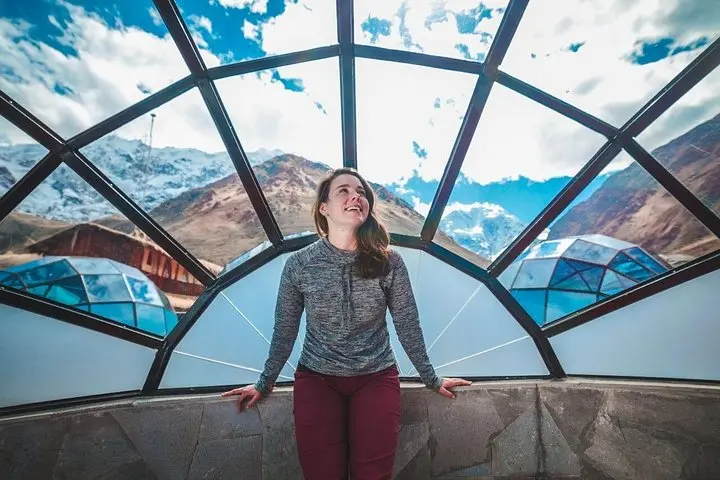
Dawn in Cusco and the van threads out of the city into a thinning air that sharpens every ridge. By midday the trail opens to a glacial valley dominated by Apu Salkantay; that first night you sleep in a panoramic dome at Soraypampa with the mountain’s shadow filling the sky.
Dawn in Cusco and the van threads out of the city into a thinning air that sharpens every ridge. By midday the trail opens to a glacial valley dominated by Apu Salkantay; that first night you sleep in a panoramic dome at Soraypampa with the mountain’s shadow filling the sky.
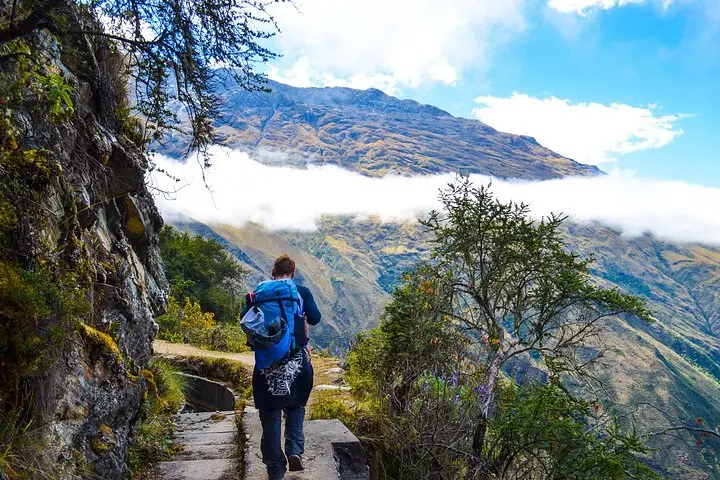
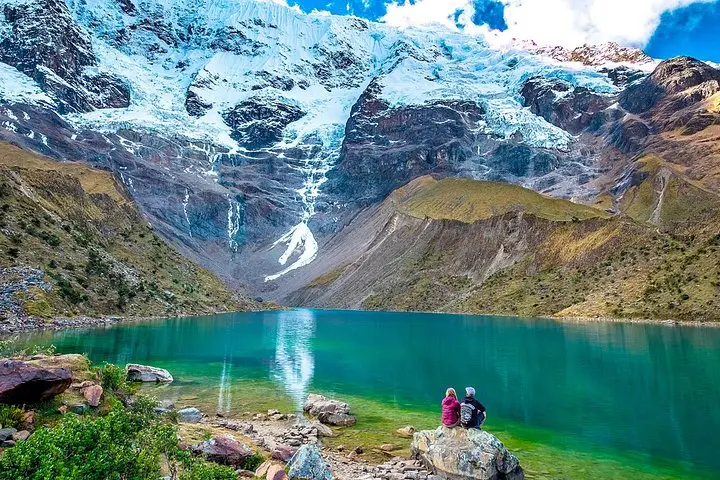
The route moves fast between ecosystems: hikers cross the Salkantay Pass at 4,630 m, trading tundra and scree for the damp, humming cloud forest. Humantay Lake’s turquoise bowl interrupts the high-altitude austerity, and lower slopes yield banana and coffee plantations where the trail becomes humid, green, and alive with birdsong. The final approach follows an original section of the Inca path to Llactapata, which frames Machu Picchu across a serrated skyline before the sunrise ritual at the citadel.
This trek is both geological and cultural—glaciated peaks carved valleys that the Incas later threaded with stonework and irrigation, while present-day mountain communities farm coffee and tend terraces carved centuries ago. The Salkantay is considered an Apu (sacred mountain) and locals still leave offerings at high passes.
Practical guidance: spend 48 hours in Cusco to acclimatize, carry high-calorie snacks and a 3–4 liter hydration system, and pack warm layers for alpine nights and breathable rain gear for cloud forest days. Trekking poles reduce knee strain on long descents; book Machu Picchu entry and train segments months ahead. Expect long uphill days, variable weather, and spectacular, uncompromising views.
Frequently asked questions
It’s a challenging high-altitude trek with long days and a summit at 4,630 m; good fitness and previous multi-day hiking experience help.
Yes—spend 48–72 hours in Cusco or similar elevation before starting to reduce the risk of altitude sickness.
The trip uses private camps with dining tents and panoramic domes; expect basic but clean camping facilities and hot meals provided by the team.
Yes—there’s an optional scenic train from Hidroeléctrica to Aguas Calientes if you prefer to shorten the final walking section (may be extra cost).
About This Experience
Salkantay Trekking operates guided outdoor trips and adventures with an emphasis on safety, stewardship, and memorable experiences.
Adventure tips
Recommended gear
- Sturdy waterproof hiking boots: Support and traction for rocky, wet, and uneven high-altitude trails.
- 3-season sleeping bag (to ~-5°C): Nights at Sky Camp and high passes get cold; a warm sleeping bag ensures rest and recovery.
- Hydration system (3L) and water purification: High exertion and dry air require consistent hydration; purification tablets or filter are useful on multi-day sections.
- Trekking poles: Reduce knee strain on long descents and help stability on scree and muddy trail.
Photos of the experience
Related adventures & guides
Read the full experience
Dawn in Cusco and the van threads out of the city into a thinning air that sharpens every ridge. By midday the trail opens to a glacial valley dominated by Apu Salkantay; that first night you sleep in a panoramic dome at Soraypampa with the mountain’s shadow filling the sky.
Dawn in Cusco and the van threads out of the city into a thinning air that sharpens every ridge. By midday the trail opens to a glacial valley dominated by Apu Salkantay; that first night you sleep in a panoramic dome at Soraypampa with the mountain’s shadow filling the sky.
The route moves fast between ecosystems: hikers cross the Salkantay Pass at 4,630 m, trading tundra and scree for the damp, humming cloud forest. Humantay Lake’s turquoise bowl interrupts the high-altitude austerity, and lower slopes yield banana and coffee plantations where the trail becomes humid, green, and alive with birdsong. The final approach follows an original section of the Inca path to Llactapata, which frames Machu Picchu across a serrated skyline before the sunrise ritual at the citadel.
This trek is both geological and cultural—glaciated peaks carved valleys that the Incas later threaded with stonework and irrigation, while present-day mountain communities farm coffee and tend terraces carved centuries ago. The Salkantay is considered an Apu (sacred mountain) and locals still leave offerings at high passes.
Practical guidance: spend 48 hours in Cusco to acclimatize, carry high-calorie snacks and a 3–4 liter hydration system, and pack warm layers for alpine nights and breathable rain gear for cloud forest days. Trekking poles reduce knee strain on long descents; book Machu Picchu entry and train segments months ahead. Expect long uphill days, variable weather, and spectacular, uncompromising views.
Make a day of it nearby.
Verified experiences and guided adventures in the surrounding area.