THE ADVENTURE COLLECTIVE® · Independent discovery and booking for outdoor travel

Fly into the Mara, rise with the sun in a pop-up-roof 4x4 and track lions, elephants and the great wildebeest migration across Kenya’s most famous grassland. This four-day, private safari pairs high game density with intimate cultural encounters.
Fly into the Mara, rise with the sun in a pop-up-roof 4x4 and track lions, elephants and the great wildebeest migration across Kenya’s most famous grassland. This four-day, private safari pairs high game density with intimate cultural encounters.
Dawn in the Masai Mara opens slow and flat — gold light sliding across grass that seems to go on forever, the Mara River daring herds to cross and predators to wait. On this four-day safari you arrive by light aircraft over the Great Rift Valley, touch down at Olkiombo, and climb into a pop-up roof 4x4 that becomes your observatory through acacia-studded plains and riparian thickets.
Verified experiences and guided adventures in the surrounding area.
Operated by Classic Journeys Africa · Narok, Narok County
Dawn in the Masai Mara opens slow and flat — gold light sliding across grass that seems to go on forever, the Mara River daring herds to cross and predators to wait. On this four-day safari you arrive by light aircraft over the Great Rift Valley, touch down at Olkiombo, and climb into a pop-up roof 4x4 that becomes your observatory through acacia-studded plains and riparian thickets.
The reserve, officially protected since the early 1960s and named for the Maasai people and the river that bisects it, sits on high-altitude savanna (roughly 1,400–1,800 m). Its shallow soils and seasonal rains create the grasslands that feed wildebeest, zebra, and the big cats that follow them — the annual migration of over a million animals is the Mara’s defining spectacle.
Culture threads through the trip: Maasai villages dot the fringes, and local guides interpret animal behavior and community-conservation links. Geology is visible from the air — ridgelines and the yawning Rift escarpment — and the Mara River’s banks are magnets for crocodile and wildebeest crossings.
Practical guidance: morning and late-afternoon game drives are long and often bumpy; pack sun protection, layers for cold mornings, and binoculars for distant sightings. Camps are solar-powered with basic comforts; expect rustic luxury rather than urban convenience. Bring malaria precautions, a camera with a telephoto lens, and cash for village visits or tipping. Flights to the reserve shorten road travel and give dramatic views of Mount Longonot and the lakes of the Rift.
This safari balances high encounter rates with straightforward logistics — a dependable way to see big-game dynamics up close while supporting local conservation efforts.
moderate.
4 days.
Moderate fitness for extended game-drive sessions and occasional uneven walking at viewpoints or picnic sites
The core migration season in the Mara runs roughly July to October when herds cross from the Serengeti; wildlife viewing is excellent year-round, but migration timing varies by rains.
Consult your travel clinic—routine vaccinations and malaria prevention are commonly recommended for travel to the Masai Mara region.
Yes — many operators run early-morning balloon flights over the Mara for an extra fee; book in advance as availability is limited.
Tipping is customary in Kenya; guides, drivers and camp staff typically receive small daily or end-of-trip tips in cash.
Masai Mara National Reserve was set aside in the 1960s and takes its name from the Maasai people who inhabit the surrounding land and the Mara River that shapes its ecology.
Community-run conservancies around the reserve bolster anti-poaching and provide revenue-sharing models; stay choices and local interactions can directly support these efforts.
Classic Journeys Africa operates guided outdoor trips and adventures with an emphasis on safety, stewardship, and memorable experiences.

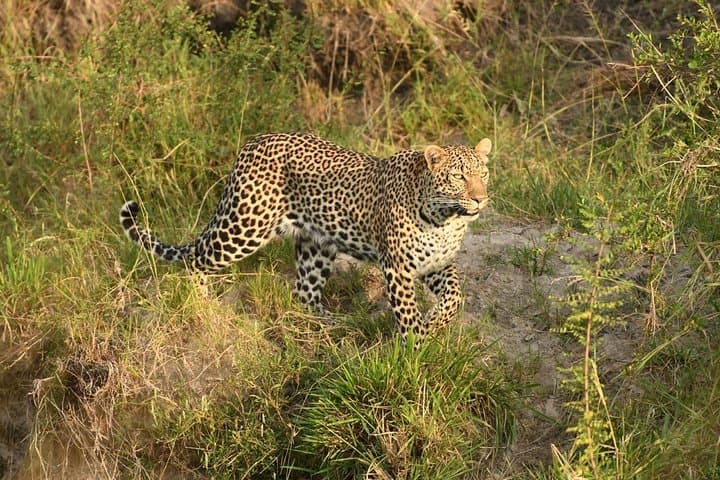


Dawn in the Masai Mara opens slow and flat — gold light sliding across grass that seems to go on forever, the Mara River daring herds to cross and predators to wait. On this four-day safari you arrive by light aircraft over the Great Rift Valley, touch down at Olkiombo, and climb into a pop-up roof 4x4 that becomes your observatory through acacia-studded plains and riparian thickets.
Dawn in the Masai Mara opens slow and flat — gold light sliding across grass that seems to go on forever, the Mara River daring herds to cross and predators to wait. On this four-day safari you arrive by light aircraft over the Great Rift Valley, touch down at Olkiombo, and climb into a pop-up roof 4x4 that becomes your observatory through acacia-studded plains and riparian thickets.
The reserve, officially protected since the early 1960s and named for the Maasai people and the river that bisects it, sits on high-altitude savanna (roughly 1,400–1,800 m). Its shallow soils and seasonal rains create the grasslands that feed wildebeest, zebra, and the big cats that follow them — the annual migration of over a million animals is the Mara’s defining spectacle.
Culture threads through the trip: Maasai villages dot the fringes, and local guides interpret animal behavior and community-conservation links. Geology is visible from the air — ridgelines and the yawning Rift escarpment — and the Mara River’s banks are magnets for crocodile and wildebeest crossings.
Practical guidance: morning and late-afternoon game drives are long and often bumpy; pack sun protection, layers for cold mornings, and binoculars for distant sightings. Camps are solar-powered with basic comforts; expect rustic luxury rather than urban convenience. Bring malaria precautions, a camera with a telephoto lens, and cash for village visits or tipping. Flights to the reserve shorten road travel and give dramatic views of Mount Longonot and the lakes of the Rift.
This safari balances high encounter rates with straightforward logistics — a dependable way to see big-game dynamics up close while supporting local conservation efforts.