THE ADVENTURE COLLECTIVE® · Independent discovery and booking for outdoor travel

A six-day road journey from Casablanca through Morocco’s imperial cities, cedar forests and the Sahara dunes. Expect a mix of guided medina walks, long scenic drives across the High Atlas and a night under desert stars.
A six-day road journey from Casablanca through Morocco’s imperial cities, cedar forests and the Sahara dunes. Expect a mix of guided medina walks, long scenic drives across the High Atlas and a night under desert stars.
The engine hums as the van pulls out of Casablanca at dawn, salt air still on the pavement and Hassan II’s minaret shrinking in the rearview. Over six days the route slips through coastal plains, cedar forests and high mountain passes before the sand of Erg Chebbi rises like an invitation to slow down. You move from whitewashed medina alleys in Chefchaouen to the shadowed tannery pits of Fez, and finally to a desert camp where stars feel close enough to touch.
Verified experiences and guided adventures in the surrounding area.
Operated by Morocco today travel · Casablanca, Casablanca-Settat
The engine hums as the van pulls out of Casablanca at dawn, salt air still on the pavement and Hassan II’s minaret shrinking in the rearview. Over six days the route slips through coastal plains, cedar forests and high mountain passes before the sand of Erg Chebbi rises like an invitation to slow down. You move from whitewashed medina alleys in Chefchaouen to the shadowed tannery pits of Fez, and finally to a desert camp where stars feel close enough to touch.
This arc crosses Morocco’s layered history: Roman mosaics at Volubilis, imperial architecture in Meknes and Fez, and fortified kasbahs that once guarded caravan routes. Geology is visible on every turn — the Ziz Gorges’ folded canyons, the carved limestone of Todgha Gorge and the wind-sculpted dunes of the Sahara. Culture arrives in rituals too: sunrise camel caravans, Berber tea in a roadside café and riad courtyards serving slow breakfasts.
Practically, expect long driving days punctuated by walking tours and short hikes; some days include 3–6 hours on the road, the Atlas crossing (Tizi n’Tichka) topping around 2,260 m. Accommodations alternate between riads, hotels and a luxury desert camp; plan for hot daytime desert sun and cool mountain nights. Bring layered clothing, strong walking shoes for medina cobbles, sun protection and a small daypack for essentials. Allow extra time for photography at key sites and a relaxed sunrise in the dunes — those quiet hours repay an early wake-up with light that turns sand to gold.
moderate.
6 days.
Suitable for travelers in average fitness — able to walk on uneven cobbles and handle several multi-hour transfers.
No — the tour is suitable for most travelers; it combines vehicle transfers with short walks and occasional uneven terrain, but no technical hiking.
Yes — operators use experienced guides and established camps; follow guide instructions and bring warm layers for cold desert nights.
Yes — the tour includes pickup from Casablanca riads and hotels; you’ll confirm your exact pickup point at booking.
Local guides commonly speak English, French and Arabic; clarify language preferences when booking for private guiding.
The route links Morocco’s imperial heritage — Roman Volubilis, the Alaouite palaces of Meknes and the medieval learning center of Fez — reflecting centuries of trade and layered rule.
Respect water use and local waste practices, especially in desert and oasis zones where resources are scarce; use established camps and support local guides to minimize impact.
Morocco today travel operates guided outdoor trips and adventures with an emphasis on safety, stewardship, and memorable experiences.
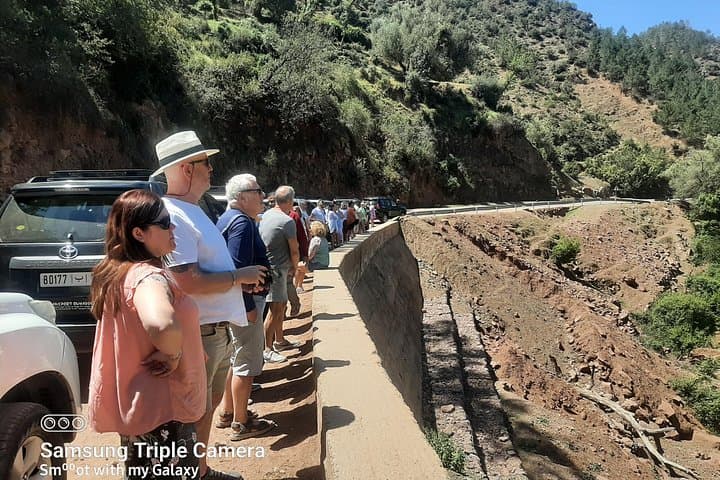
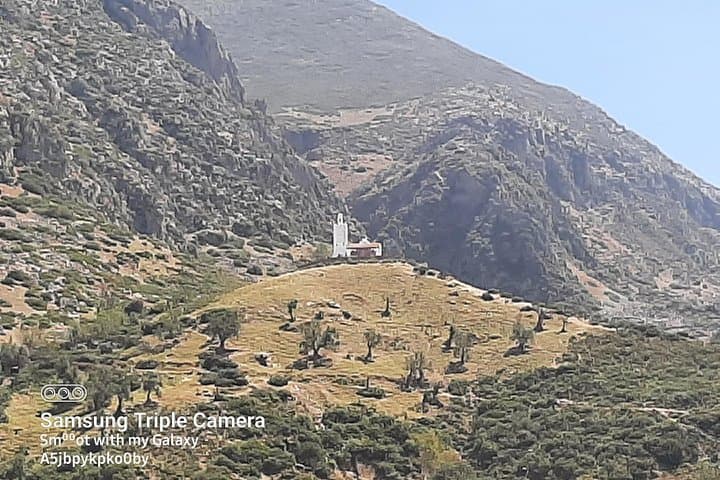
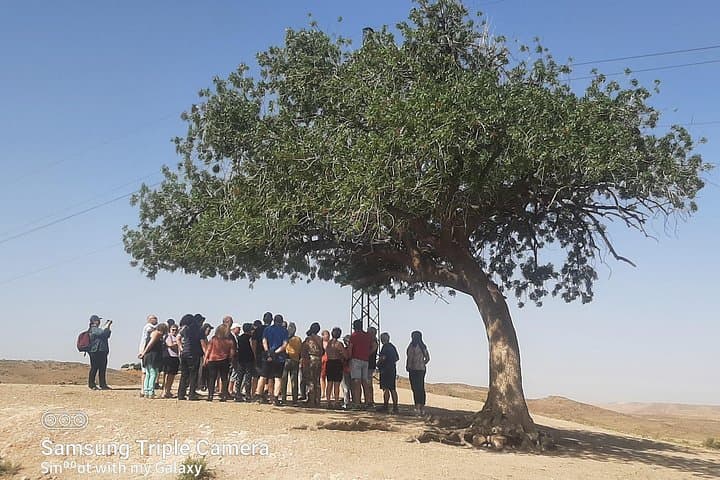
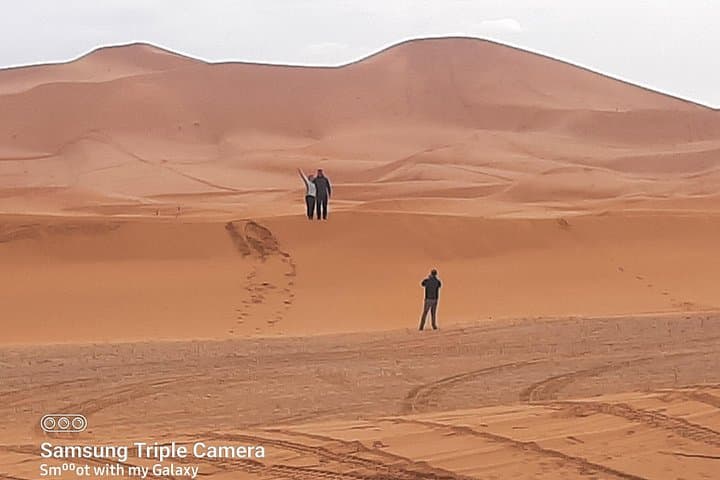
The engine hums as the van pulls out of Casablanca at dawn, salt air still on the pavement and Hassan II’s minaret shrinking in the rearview. Over six days the route slips through coastal plains, cedar forests and high mountain passes before the sand of Erg Chebbi rises like an invitation to slow down. You move from whitewashed medina alleys in Chefchaouen to the shadowed tannery pits of Fez, and finally to a desert camp where stars feel close enough to touch.
The engine hums as the van pulls out of Casablanca at dawn, salt air still on the pavement and Hassan II’s minaret shrinking in the rearview. Over six days the route slips through coastal plains, cedar forests and high mountain passes before the sand of Erg Chebbi rises like an invitation to slow down. You move from whitewashed medina alleys in Chefchaouen to the shadowed tannery pits of Fez, and finally to a desert camp where stars feel close enough to touch.
This arc crosses Morocco’s layered history: Roman mosaics at Volubilis, imperial architecture in Meknes and Fez, and fortified kasbahs that once guarded caravan routes. Geology is visible on every turn — the Ziz Gorges’ folded canyons, the carved limestone of Todgha Gorge and the wind-sculpted dunes of the Sahara. Culture arrives in rituals too: sunrise camel caravans, Berber tea in a roadside café and riad courtyards serving slow breakfasts.
Practically, expect long driving days punctuated by walking tours and short hikes; some days include 3–6 hours on the road, the Atlas crossing (Tizi n’Tichka) topping around 2,260 m. Accommodations alternate between riads, hotels and a luxury desert camp; plan for hot daytime desert sun and cool mountain nights. Bring layered clothing, strong walking shoes for medina cobbles, sun protection and a small daypack for essentials. Allow extra time for photography at key sites and a relaxed sunrise in the dunes — those quiet hours repay an early wake-up with light that turns sand to gold.