THE ADVENTURE COLLECTIVE® · Independent discovery and booking for outdoor travel

A four-day private 4x4 safari through the Masai Mara that blends close wildlife encounters with knowledgeable guides and comfortable lodging. Read on for what to expect, local context, and practical tips to prepare.
A four-day private 4x4 safari through the Masai Mara that blends close wildlife encounters with knowledgeable guides and comfortable lodging. Read on for what to expect, local context, and practical tips to prepare.
Dawn arrives over the Masai Mara with a low, clean light that sharpens the silhouettes of acacia and the profiles of lions lounging on termite mounds. A 4x4 rumbles through dew-silvered grass; the guide scans the horizon, binoculars poised. The landscape feels elemental: open plains, riverine corridors, and the slow, patient movement of herds.
Verified experiences and guided adventures in the surrounding area.
Dawn arrives over the Masai Mara with a low, clean light that sharpens the silhouettes of acacia and the profiles of lions lounging on termite mounds. A 4x4 rumbles through dew-silvered grass; the guide scans the horizon, binoculars poised. The landscape feels elemental: open plains, riverine corridors, and the slow, patient movement of herds.
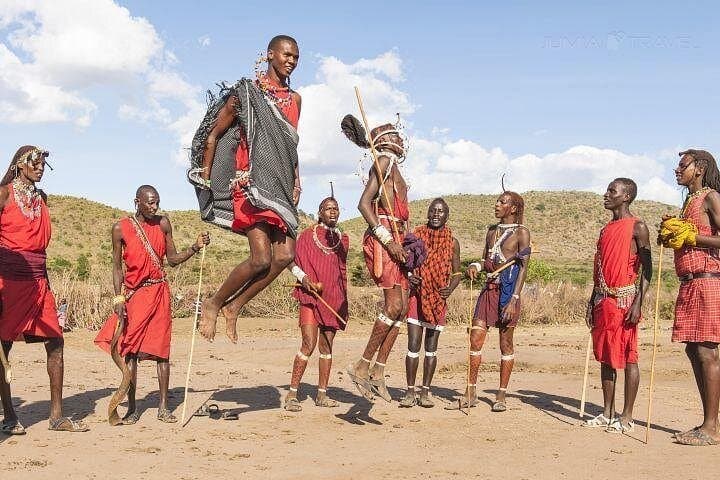
The Mara sits on the floor of the East African Rift system, its rolling grasslands shaped by volcanic soils and seasonal rivers like the Mara and Talek. Maasai communities have lived here for generations; their spoken histories, pastoral rhythms, and beadwork remain visible along the reserve’s edges. Guides on a classic safari combine wildlife identification with local cultural context and basic bushcraft—skills that matter when tracking a pride or reading spoor.
Expect structured game drives at first and last light, private transfer logistics, and comfortable camp or lodge accommodations on this multi-day itinerary. The core experience is observation: big cats, grazers, and an astonishing bird list, plus the seasonal spectacle of migration in peak months.
Practicalities: drives from Nairobi take roughly 5–6 hours by road or 40–60 minutes by charter flight; elevations are about 1,500m, so temperatures swing between cool mornings and hot afternoons. Pack sun protection, layers, a quality pair of binoculars and a camera with a long lens. Hydration and insect protection matter most during rainy periods. Respect wildlife distances and follow your guide’s directions—safety and conservation are part of the luxury promise here.
moderate.
4 days (approx).
Light physical fitness; most time spent in vehicle with short walks or guided bush strolls.
Options include a 5–6 hour road transfer or a 40–60 minute charter flight to airstrips near the reserve; the operator will arrange logistics based on your booking.
Yes—many lodges welcome families, but confirm age policies and safety measures; long drives can be tiring for very young children.
Consult a travel clinic for up-to-date requirements; malaria prevention is commonly recommended for the region.
A camera with a 200–400mm lens is ideal; a good pair of binoculars is equally valuable for daily sightings.
The Masai Mara is part of a larger ecosystem crossing the Kenya–Tanzania border and has long been home to Maasai pastoralists whose grazing patterns shaped the open plains.
Conservancies owned in partnership with Maasai landowners are expanding habitat protection and community revenue; travel choices that favor local partnerships help sustain that model.
Dawn arrives over the Masai Mara with a low, clean light that sharpens the silhouettes of acacia and the profiles of lions lounging on termite mounds. A 4x4 rumbles through dew-silvered grass; the guide scans the horizon, binoculars poised. The landscape feels elemental: open plains, riverine corridors, and the slow, patient movement of herds.
Dawn arrives over the Masai Mara with a low, clean light that sharpens the silhouettes of acacia and the profiles of lions lounging on termite mounds. A 4x4 rumbles through dew-silvered grass; the guide scans the horizon, binoculars poised. The landscape feels elemental: open plains, riverine corridors, and the slow, patient movement of herds.
The Mara sits on the floor of the East African Rift system, its rolling grasslands shaped by volcanic soils and seasonal rivers like the Mara and Talek. Maasai communities have lived here for generations; their spoken histories, pastoral rhythms, and beadwork remain visible along the reserve’s edges. Guides on a classic safari combine wildlife identification with local cultural context and basic bushcraft—skills that matter when tracking a pride or reading spoor.
Expect structured game drives at first and last light, private transfer logistics, and comfortable camp or lodge accommodations on this multi-day itinerary. The core experience is observation: big cats, grazers, and an astonishing bird list, plus the seasonal spectacle of migration in peak months.
Practicalities: drives from Nairobi take roughly 5–6 hours by road or 40–60 minutes by charter flight; elevations are about 1,500m, so temperatures swing between cool mornings and hot afternoons. Pack sun protection, layers, a quality pair of binoculars and a camera with a long lens. Hydration and insect protection matter most during rainy periods. Respect wildlife distances and follow your guide’s directions—safety and conservation are part of the luxury promise here.