THE ADVENTURE COLLECTIVE® · Independent discovery and booking for outdoor travel

Turn Kobe into a playable city: a GPS-guided mobile game leads you from Kobe Station through waterfront parks, Chinatown, historic Kitano mansions, and herb gardens. Solve puzzles, learn local history, and explore at your own pace.
Turn Kobe into a playable city: a GPS-guided mobile game leads you from Kobe Station through waterfront parks, Chinatown, historic Kitano mansions, and herb gardens. Solve puzzles, learn local history, and explore at your own pace.
You step out of Kobe Station and the city moves in cinematic fragments: the harbor air pulls at your sleeves, arcade neon nudges the sidewalk, and a cheerful Tajima cow avatar pops up on your phone to dare you to explore. The route threads Meriken Park's open steelwork, crosses Motomachi's arcade of shops, slips through the red gates of Ikuta Shrine, and rises by ropeway to the herb-scented terraces above the city.
Verified experiences and guided adventures in the surrounding area.
Operated by Leplace - interactive self-guided app tours · Kobe, Hyogo
You step out of Kobe Station and the city moves in cinematic fragments: the harbor air pulls at your sleeves, arcade neon nudges the sidewalk, and a cheerful Tajima cow avatar pops up on your phone to dare you to explore. The route threads Meriken Park's open steelwork, crosses Motomachi's arcade of shops, slips through the red gates of Ikuta Shrine, and rises by ropeway to the herb-scented terraces above the city.
Kobe's identity was forged as an international port from the Meiji era; Western mansions in Kitano and the postwar revival after the 1995 earthquake are visible in architecture and street lore. Geologically the city sits between inland hills and the Osaka Bay plain — Nunobiki Falls and its herb gardens remind you the hills still push into urban life. Culturally the tour winks at Kobe's culinary fame: the Kobe beef legacy and the Chinatown (Nankinmachi) festivals that animate the lanes.
Practically, this is a self-guided GPS-driven scavenger walk designed for 60–120 minutes at your own pace. Expect short walking bursts between stops, many steps and occasional ropeway queues if you add the gardens. The app supplies puzzles, local history bites, and photo prompts; you supply a charged phone, comfortable shoes, and curiosity. Go early to avoid midday crowds, bring data or download any offline content, and allow extra time for detours — the best finds are in the side streets and small museums.
easy.
1–2 hours.
Light walking ability; suitable for most adults who can manage continuous urban walking for up to two hours.
The app is GPS-enabled and works best with a data connection; check for offline mode options or download content before you go.
Much of central Kobe is flat, but some stops include steps or uneven surfaces; the tour notes may not be fully accessible—check specific segments before starting.
Yes—it's a self-guided mobile experience so you can begin whenever convenient during daylight hours.
Plan for 60–120 minutes depending on pace, time spent at stops, and whether you take the ropeway or explore side streets.
Kobe opened as an international port in the late 19th century, shaping its Western-influenced neighborhoods and multicultural food scene; the city also rebuilt extensively after the 1995 Great Hanshin earthquake.
Stick to marked paths in parks and gardens, avoid feeding wildlife, and carry out any trash—high foot traffic can stress urban green spaces like Nunobiki.
Leplace - interactive self-guided app tours operates guided outdoor trips and adventures with an emphasis on safety, stewardship, and memorable experiences.
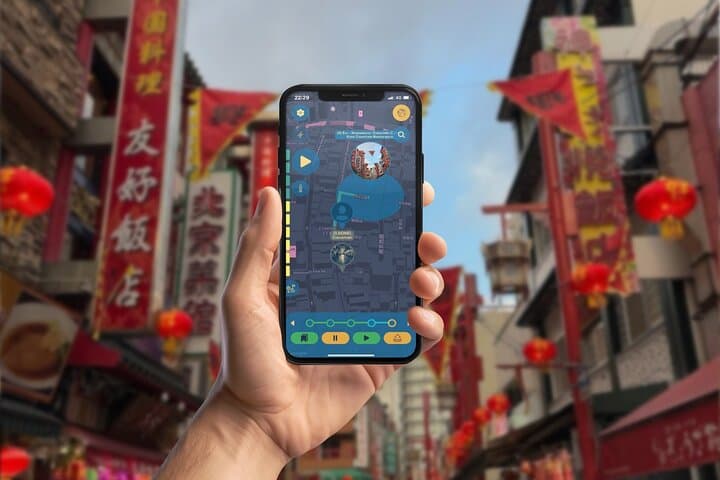
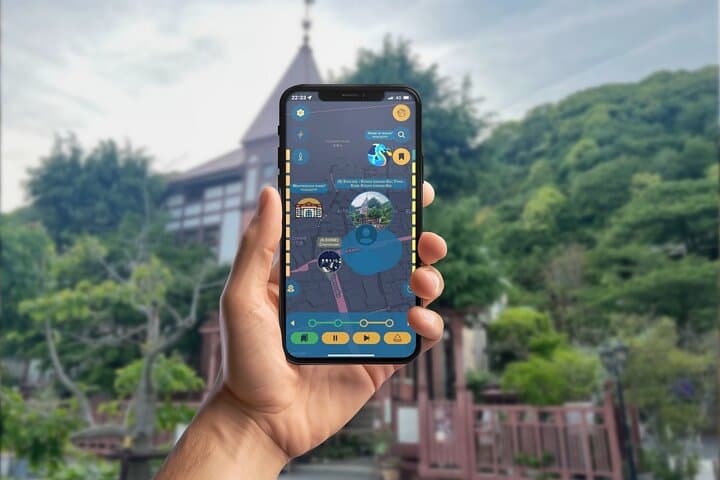
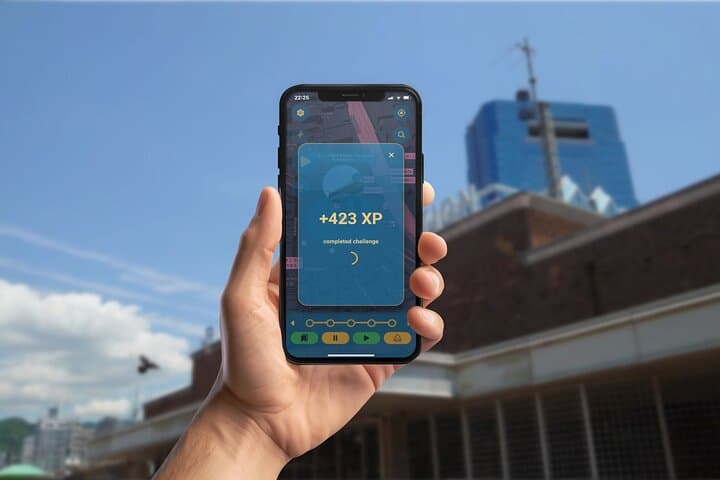
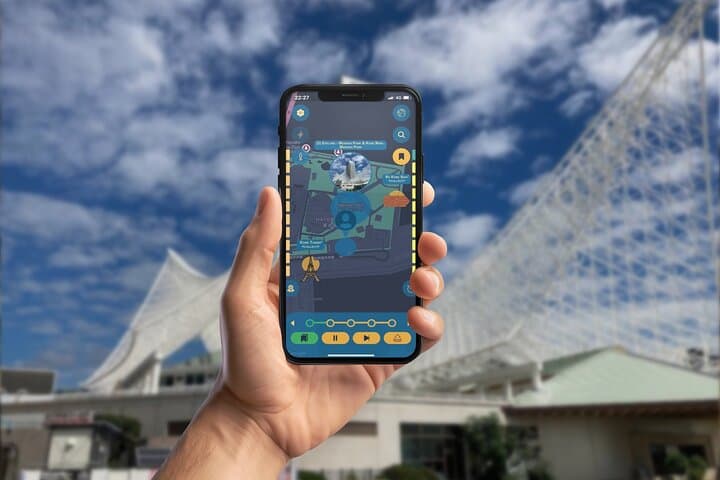
You step out of Kobe Station and the city moves in cinematic fragments: the harbor air pulls at your sleeves, arcade neon nudges the sidewalk, and a cheerful Tajima cow avatar pops up on your phone to dare you to explore. The route threads Meriken Park's open steelwork, crosses Motomachi's arcade of shops, slips through the red gates of Ikuta Shrine, and rises by ropeway to the herb-scented terraces above the city.
You step out of Kobe Station and the city moves in cinematic fragments: the harbor air pulls at your sleeves, arcade neon nudges the sidewalk, and a cheerful Tajima cow avatar pops up on your phone to dare you to explore. The route threads Meriken Park's open steelwork, crosses Motomachi's arcade of shops, slips through the red gates of Ikuta Shrine, and rises by ropeway to the herb-scented terraces above the city.
Kobe's identity was forged as an international port from the Meiji era; Western mansions in Kitano and the postwar revival after the 1995 earthquake are visible in architecture and street lore. Geologically the city sits between inland hills and the Osaka Bay plain — Nunobiki Falls and its herb gardens remind you the hills still push into urban life. Culturally the tour winks at Kobe's culinary fame: the Kobe beef legacy and the Chinatown (Nankinmachi) festivals that animate the lanes.
Practically, this is a self-guided GPS-driven scavenger walk designed for 60–120 minutes at your own pace. Expect short walking bursts between stops, many steps and occasional ropeway queues if you add the gardens. The app supplies puzzles, local history bites, and photo prompts; you supply a charged phone, comfortable shoes, and curiosity. Go early to avoid midday crowds, bring data or download any offline content, and allow extra time for detours — the best finds are in the side streets and small museums.