THE ADVENTURE COLLECTIVE® · Independent discovery and booking for outdoor travel

Trace Italy’s highlights on a compact 13-day journey from Naples to Venice: Pompeii and Vesuvius, Vatican and Colosseum, Florence’s masterpieces, and the Venetian lagoon islands. This practical guide explains what to expect each day, the active elements, and how to prepare for a seamless cultural adventure.
Trace Italy’s highlights on a compact 13-day journey from Naples to Venice: Pompeii and Vesuvius, Vatican and Colosseum, Florence’s masterpieces, and the Venetian lagoon islands. This practical guide explains what to expect each day, the active elements, and how to prepare for a seamless cultural adventure.
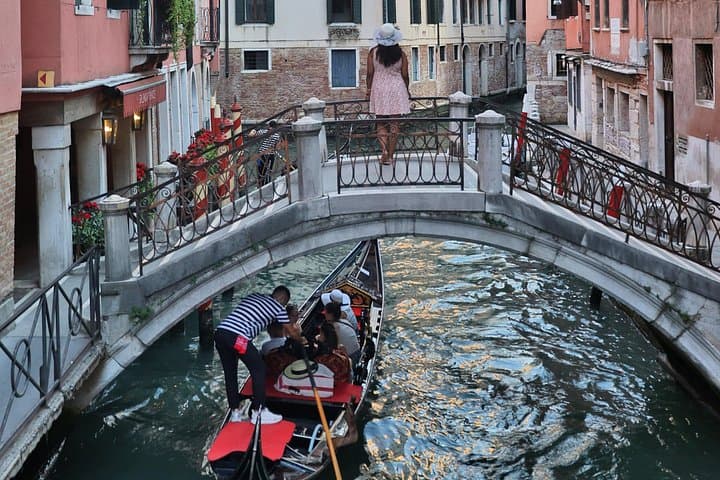
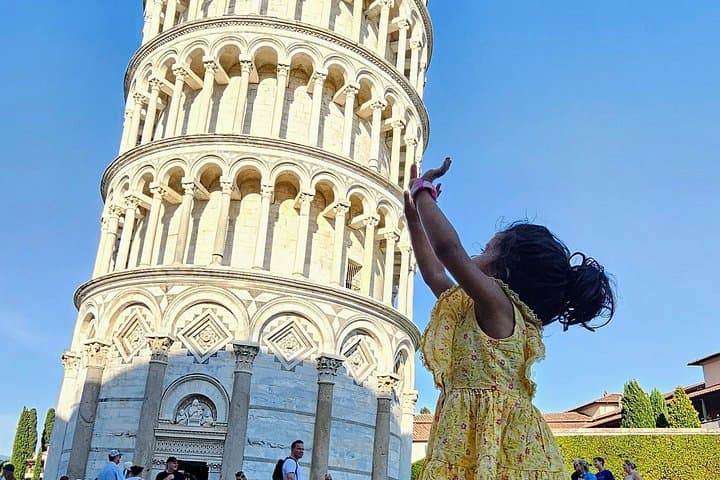
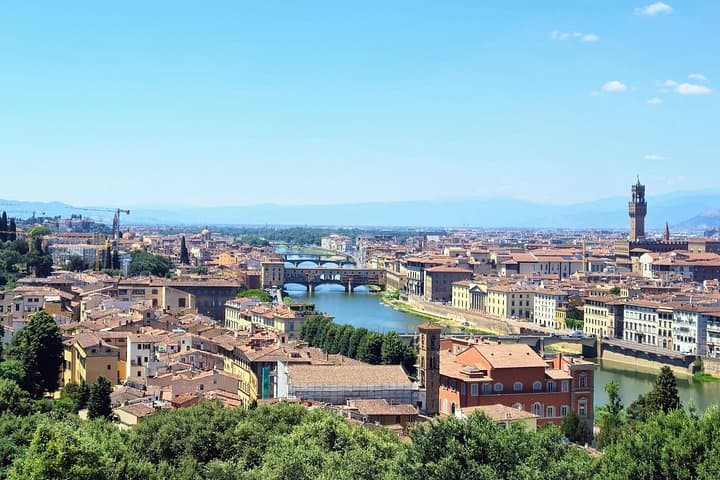
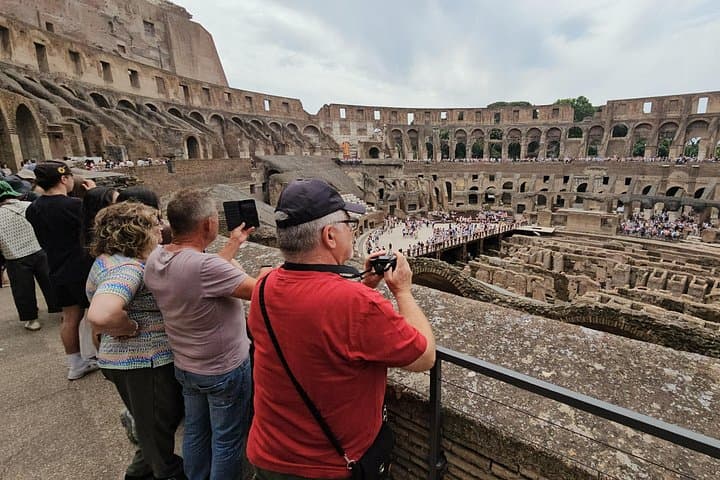
A salty wind from the Bay of Naples nudges the coach as you step off in the shadow of Vesuvius — the first breath of a 13-day route that moves like a curated procession through Italy’s most restless histories. One morning you’ll watch pastel villas of Capri recede on the ferry; another you’ll trace frescoed streets in Pompeii where ash froze daily life in AD 79. Rome arrives as a muscular chapter of marble and piazzas, Florence as a measured hymn of stone and paint, and Venice closes the loop with canals that insist you slow down.
Verified experiences and guided adventures in the surrounding area.
Operated by EUROLINKWORLDWIDE · Naples, Campania
A salty wind from the Bay of Naples nudges the coach as you step off in the shadow of Vesuvius — the first breath of a 13-day route that moves like a curated procession through Italy’s most restless histories. One morning you’ll watch pastel villas of Capri recede on the ferry; another you’ll trace frescoed streets in Pompeii where ash froze daily life in AD 79. Rome arrives as a muscular chapter of marble and piazzas, Florence as a measured hymn of stone and paint, and Venice closes the loop with canals that insist you slow down.
Geology frames the earliest days: the volcanic cone of Vesuvius and the layered deposits around Pompeii explain why this coastline is both fertile and fragile. Culturally the itinerary threads Roman imperial sites, Renaissance galleries (Uffizi, Accademia), and lagoon craft traditions — Murano glass and Burano lacemaking. Local guides populate each stop with practical stories: pick quieter alleys for better gelato, and visit churches early to avoid tour groups.
Expect active days: plan on 3–6 miles (5–10 km) of walking several days, uneven cobbles, and a short hike to Vesuvius’ crater rim (roughly 1–2 km round trip, ~250–350 m elevation gain). Pack comfortable walking shoes, a small daypack, and a reusable water bottle. Timed-entry tickets and transfers are handled, but carry ID/passport for museum and Vatican checks. Travel light between hotels, rise early for cooler touring hours, and keep a flexible pace — the route rewards curiosity as much as stamina.
moderate.
13 days.
Moderate fitness: able to walk several hours a day on uneven ground and climb stairs; short volcanic hike requires basic stamina.
No — timed-entry and major entrance fees listed (Vatican, Colosseum, Uffizi, Pompeii, etc.) are included and coordinated by the tour leader.
Expect 3–6 miles (5–10 km) on several days, with uneven surfaces and stairs; one short volcanic hike to Vesuvius is steeper (approx. 250–350 m elevation gain).
Half-board accommodation covers breakfast and most dinners; lunches are provided on select days. City taxes and standard service tips for guides and drivers are included in the package.
2026 departures listed include May 19 and September 9; solo travelers are accommodated in single rooms at a higher rate to cover single-occupancy costs.
The route traces centuries of layered power: Roman imperial sites, Renaissance patronage in Florence, and the maritime mercantile history of Venice that shaped Mediterranean trade.
High visitor pressure affects fragile sites—stay on designated paths at Pompeii, respect restricted areas in historic centers, and follow local guidance in the Venetian lagoon to reduce erosion and disturbance.
EUROLINKWORLDWIDE operates guided outdoor trips and adventures with an emphasis on safety, stewardship, and memorable experiences.
A salty wind from the Bay of Naples nudges the coach as you step off in the shadow of Vesuvius — the first breath of a 13-day route that moves like a curated procession through Italy’s most restless histories. One morning you’ll watch pastel villas of Capri recede on the ferry; another you’ll trace frescoed streets in Pompeii where ash froze daily life in AD 79. Rome arrives as a muscular chapter of marble and piazzas, Florence as a measured hymn of stone and paint, and Venice closes the loop with canals that insist you slow down.
A salty wind from the Bay of Naples nudges the coach as you step off in the shadow of Vesuvius — the first breath of a 13-day route that moves like a curated procession through Italy’s most restless histories. One morning you’ll watch pastel villas of Capri recede on the ferry; another you’ll trace frescoed streets in Pompeii where ash froze daily life in AD 79. Rome arrives as a muscular chapter of marble and piazzas, Florence as a measured hymn of stone and paint, and Venice closes the loop with canals that insist you slow down.
Geology frames the earliest days: the volcanic cone of Vesuvius and the layered deposits around Pompeii explain why this coastline is both fertile and fragile. Culturally the itinerary threads Roman imperial sites, Renaissance galleries (Uffizi, Accademia), and lagoon craft traditions — Murano glass and Burano lacemaking. Local guides populate each stop with practical stories: pick quieter alleys for better gelato, and visit churches early to avoid tour groups.
Expect active days: plan on 3–6 miles (5–10 km) of walking several days, uneven cobbles, and a short hike to Vesuvius’ crater rim (roughly 1–2 km round trip, ~250–350 m elevation gain). Pack comfortable walking shoes, a small daypack, and a reusable water bottle. Timed-entry tickets and transfers are handled, but carry ID/passport for museum and Vatican checks. Travel light between hotels, rise early for cooler touring hours, and keep a flexible pace — the route rewards curiosity as much as stamina.