THE ADVENTURE COLLECTIVE® · Independent discovery and booking for outdoor travel

Walk four days on the original Inca paving to reach Machu Picchu at sunrise. This classic 43 km trek crosses high passes, visits multiple Inca sites and requires advance permits and solid acclimatization.
Walk four days on the original Inca paving to reach Machu Picchu at sunrise. This classic 43 km trek crosses high passes, visits multiple Inca sites and requires advance permits and solid acclimatization.
Morning light crests the eastern ridge and, for a moment, the mountains hold their breath. You step through the Sun Gate and the valley drops away—stone plazas and terraces appear, half-swallowed by cloud. That first reveal is the payoff for four days on the Classic Inca Trail: 43 km of stone staircases, switchbacks and original Inca paving that climb from Andean forest up to 4,215 m at Dead Woman’s Pass.
Verified experiences and guided adventures in the surrounding area.
Operated by Lares Trip · Machu Picchu, Cusco Region
Morning light crests the eastern ridge and, for a moment, the mountains hold their breath. You step through the Sun Gate and the valley drops away—stone plazas and terraces appear, half-swallowed by cloud. That first reveal is the payoff for four days on the Classic Inca Trail: 43 km of stone staircases, switchbacks and original Inca paving that climb from Andean forest up to 4,215 m at Dead Woman’s Pass.
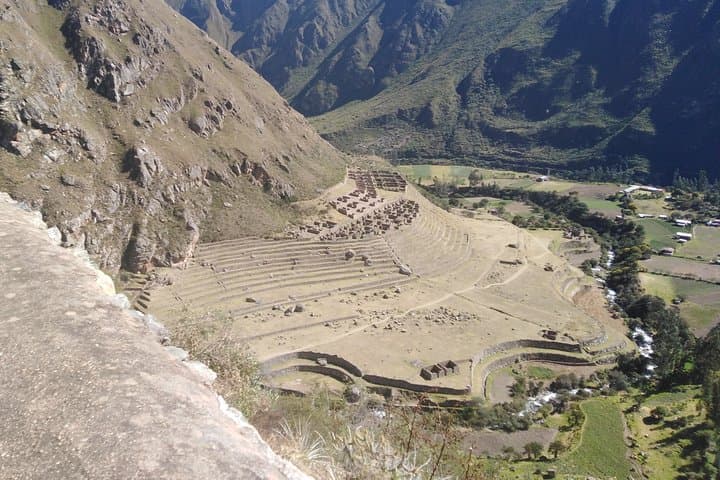
The trail follows segments of the Qhapaq Ñan, the Inca highway system, with ruins like Llactapata, Runkurakay and Wiñay Wayña stitched into the route. Geologically, the path skirts precipitous Urubamba valley walls carved by glacial action and ongoing fluvial erosion; the microclimates shift fast—humid cloud forest gives way to puna grass above the pass.
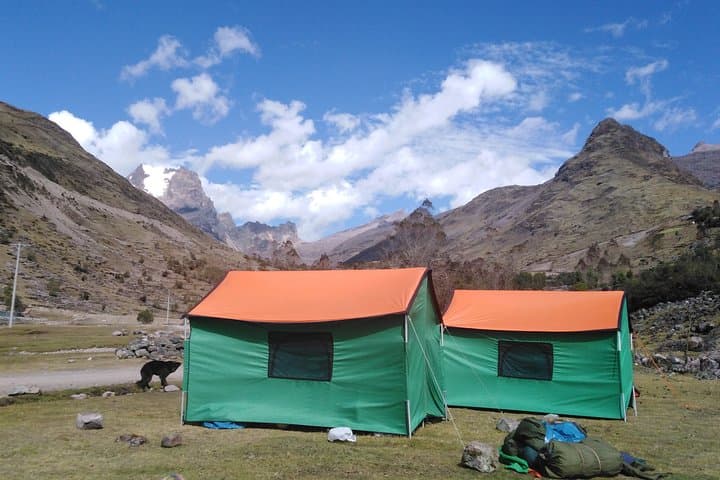
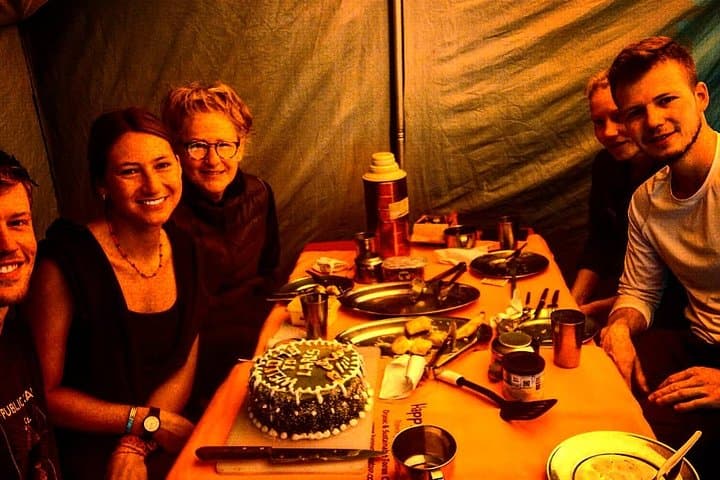
Local Quechua communities and trained porters still operate the route; respect for campsites and permit limits is central. This is a fully supported, multi-day trek with tent camping each night and porter services carrying heavy loads—expect communal meals of three breakfasts, lunches and dinners provided by the operator.
Practical guidance: allow two nights in Cusco before departing to acclimatize, carry a daypack with layers, sun protection and at least 2–3 liters of water. Hiking is sustained and steep—prepare with hill training and sleep-tested boots. Permits for the Classic Inca Trail sell out months ahead; book early with a licensed agency. Weather is unpredictable—expect mud and sun in the same hour. On arrival to Machu Picchu, budget extra time to explore the main temples, then return by train to Ollantaytambo and bus to Cusco.
challenging.
4 days.
Good cardiovascular fitness and strong leg endurance; regular hill or stair training recommended
Yes. Access is strictly limited and permits are issued by the Peruvian authorities; book through a licensed operator well in advance.
It’s the highest and steepest climb on the route—about 4,215 m elevation; expect several hours of continuous ascent and descent, requiring strong legs and pacing.
Most operators include porters who carry communal gear and heavy items; personal porter services for extra luggage are often available at an additional cost.
The dry season (May–September) offers more stable weather and clearer views, but mornings can be cold—expect variable conditions year-round.
Sections of the trail are original Inca-built roads that connected administrative centers across the empire as part of the Qhapaq Ñan.
The route is UNESCO-protected with strict permit limits; stick to designated campsites, avoid single-use plastics and travel with licensed operators to minimize impact.
Lares Trip operates guided outdoor trips and adventures with an emphasis on safety, stewardship, and memorable experiences.
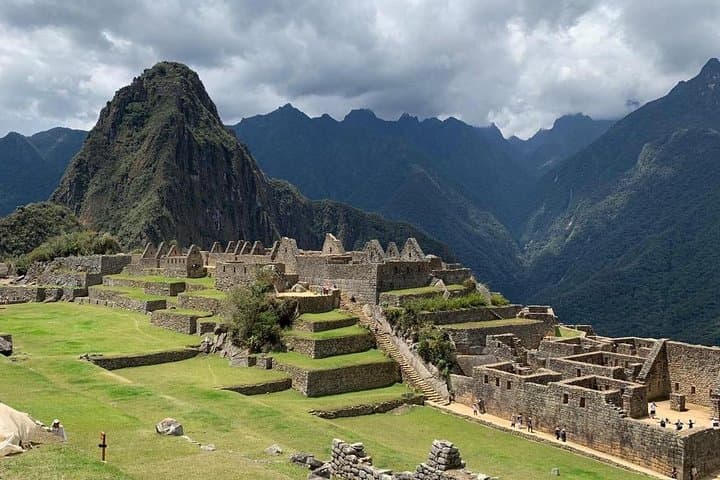
Morning light crests the eastern ridge and, for a moment, the mountains hold their breath. You step through the Sun Gate and the valley drops away—stone plazas and terraces appear, half-swallowed by cloud. That first reveal is the payoff for four days on the Classic Inca Trail: 43 km of stone staircases, switchbacks and original Inca paving that climb from Andean forest up to 4,215 m at Dead Woman’s Pass.
Morning light crests the eastern ridge and, for a moment, the mountains hold their breath. You step through the Sun Gate and the valley drops away—stone plazas and terraces appear, half-swallowed by cloud. That first reveal is the payoff for four days on the Classic Inca Trail: 43 km of stone staircases, switchbacks and original Inca paving that climb from Andean forest up to 4,215 m at Dead Woman’s Pass.
The trail follows segments of the Qhapaq Ñan, the Inca highway system, with ruins like Llactapata, Runkurakay and Wiñay Wayña stitched into the route. Geologically, the path skirts precipitous Urubamba valley walls carved by glacial action and ongoing fluvial erosion; the microclimates shift fast—humid cloud forest gives way to puna grass above the pass.
Local Quechua communities and trained porters still operate the route; respect for campsites and permit limits is central. This is a fully supported, multi-day trek with tent camping each night and porter services carrying heavy loads—expect communal meals of three breakfasts, lunches and dinners provided by the operator.
Practical guidance: allow two nights in Cusco before departing to acclimatize, carry a daypack with layers, sun protection and at least 2–3 liters of water. Hiking is sustained and steep—prepare with hill training and sleep-tested boots. Permits for the Classic Inca Trail sell out months ahead; book early with a licensed agency. Weather is unpredictable—expect mud and sun in the same hour. On arrival to Machu Picchu, budget extra time to explore the main temples, then return by train to Ollantaytambo and bus to Cusco.