THE ADVENTURE COLLECTIVE® · Independent discovery and booking for outdoor travel

Walk the classic 4-day Inca Trail: high passes, cloud forest and original stonework lead to Machu Picchu’s Sun Gate. This guide covers what to expect on trail, practical logistics and essential prep for high-altitude trekking.
Walk the classic 4-day Inca Trail: high passes, cloud forest and original stonework lead to Machu Picchu’s Sun Gate. This guide covers what to expect on trail, practical logistics and essential prep for high-altitude trekking.
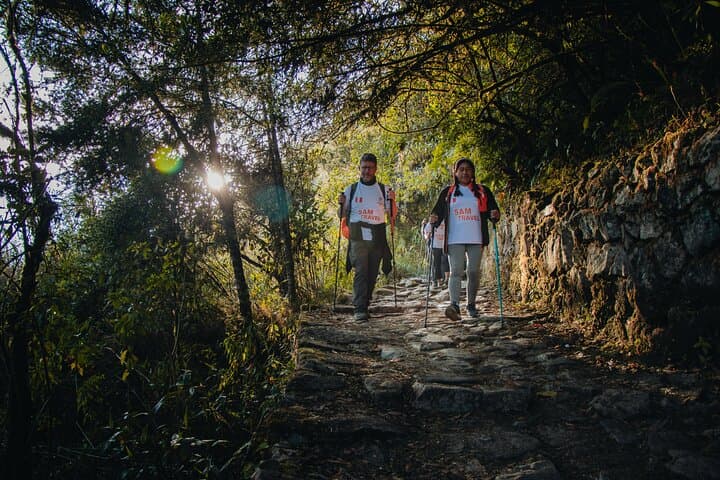
You step onto compacted stone paths as dawn thins the Andes; clouds peel away and the mountains begin to stare back. Day one moves through warmed valleys and Inca-built causeways, the trail rising and falling like the memory of a civilisation that engineered this route for movement and ceremony.
Verified experiences and guided adventures in the surrounding area.
Operated by SAM Travel Peru · Cusco, Cusco Region
You step onto compacted stone paths as dawn thins the Andes; clouds peel away and the mountains begin to stare back. Day one moves through warmed valleys and Inca-built causeways, the trail rising and falling like the memory of a civilisation that engineered this route for movement and ceremony.
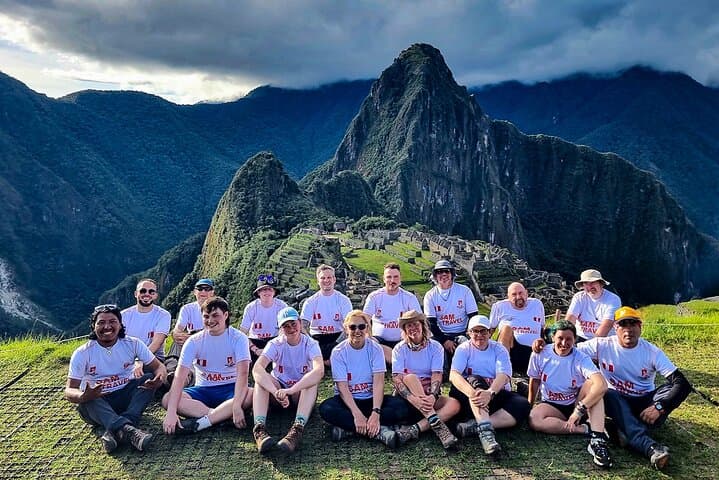
The Inca Trail traces roughly 26 miles (42 km) of original paths through several ecological zones — high puna, cloud forest and subtropical valleys — culminating at the Sun Gate with Machu Picchu’s terraces spilling into view. Geologically, the route follows steep granite spines carved by tectonics and glacial action; archaeologically, stone staircases, storehouses and ceremonial sites appear at regular intervals, each revealing the Inca’s practical mastery of drainage and agriculture.
Local Quechua communities still steward neighbouring valleys; porters and guides often come from these towns, and meals on the trail blend traditional Andean ingredients with hot, camp-cooked fare.
Practically, expect sustained uphill sections (Dead Woman’s Pass reaches ~4,215 m/13,828 ft) and multiple high-altitude passes. Daily mileage averages 8–12 km with steep stair climbs and compact trail underfoot. Acclimatize in Cusco for 2–3 days, travel light, and plan for rapid weather shifts — sun, wind and rain can arrive within an hour. Guides handle permits, camping logistics and meals; hikers carry a daypack, water and layers.
This is a high-altitude, multi-day trek where steady pacing, layered clothing and respect for local rules make the difference between an exhausting day and a memorable summit at the Sun Gate.
challenging.
4 days.
Requires good cardiovascular fitness and prior multi-day hike experience; ability to handle high-altitude trekking.
It's a challenging multi-day trek with steep ascents (Dead Woman’s Pass ~4,215 m) and long days; good fitness and altitude acclimatization are essential.
Yes. Classic Inca Trail permits are limited and must be booked through a licensed operator well in advance; permits include entry to Machu Picchu on the survey day.
The dry season (May–September) offers more stable weather and clearer views; shoulder months can work but expect some rain.
Yes—licensed companies provide tents, foam mattresses, cooking equipment, chef and porters; hikers typically carry only a daypack.
The trail was part of the Inca road network linking administrative centers and sacred sites; many ruins along the route served storage and ceremonial roles.
Strict permit limits and guide requirements aim to reduce erosion and human impact; follow leave-no-trace rules and use licensed operators to support local conservation.
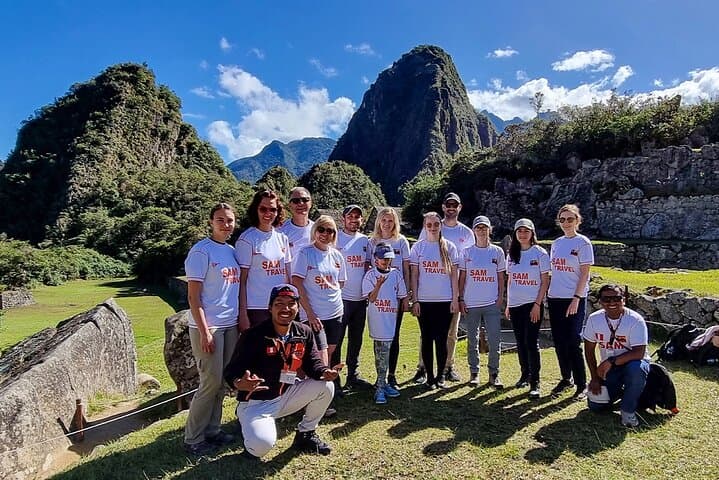
SAM Travel Peru operates guided outdoor trips and adventures with an emphasis on safety, stewardship, and memorable experiences.
You step onto compacted stone paths as dawn thins the Andes; clouds peel away and the mountains begin to stare back. Day one moves through warmed valleys and Inca-built causeways, the trail rising and falling like the memory of a civilisation that engineered this route for movement and ceremony.
You step onto compacted stone paths as dawn thins the Andes; clouds peel away and the mountains begin to stare back. Day one moves through warmed valleys and Inca-built causeways, the trail rising and falling like the memory of a civilisation that engineered this route for movement and ceremony.
The Inca Trail traces roughly 26 miles (42 km) of original paths through several ecological zones — high puna, cloud forest and subtropical valleys — culminating at the Sun Gate with Machu Picchu’s terraces spilling into view. Geologically, the route follows steep granite spines carved by tectonics and glacial action; archaeologically, stone staircases, storehouses and ceremonial sites appear at regular intervals, each revealing the Inca’s practical mastery of drainage and agriculture.
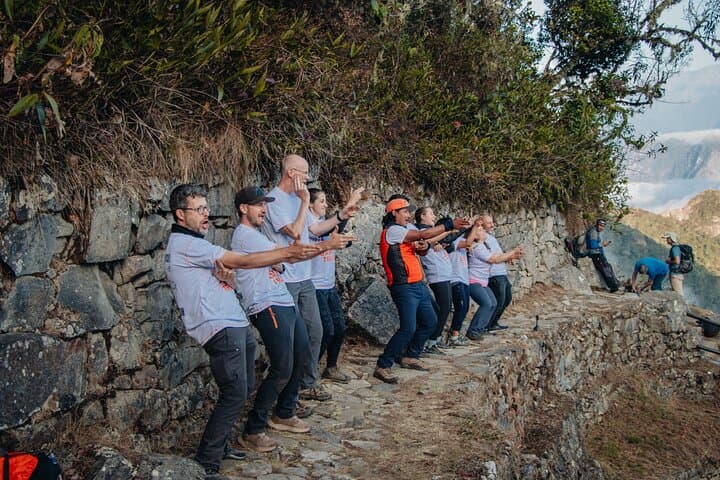
Local Quechua communities still steward neighbouring valleys; porters and guides often come from these towns, and meals on the trail blend traditional Andean ingredients with hot, camp-cooked fare.
Practically, expect sustained uphill sections (Dead Woman’s Pass reaches ~4,215 m/13,828 ft) and multiple high-altitude passes. Daily mileage averages 8–12 km with steep stair climbs and compact trail underfoot. Acclimatize in Cusco for 2–3 days, travel light, and plan for rapid weather shifts — sun, wind and rain can arrive within an hour. Guides handle permits, camping logistics and meals; hikers carry a daypack, water and layers.
This is a high-altitude, multi-day trek where steady pacing, layered clothing and respect for local rules make the difference between an exhausting day and a memorable summit at the Sun Gate.