THE ADVENTURE COLLECTIVE® · Independent discovery and booking for outdoor travel

Climb ancient Inca steps, cross a 4,215 m pass and finish at the Sun Gate on this four‑day guided trek to Machu Picchu. Expect rugged stone staircases, cloud forest, porters and a fully supported camping experience.
Climb ancient Inca steps, cross a 4,215 m pass and finish at the Sun Gate on this four‑day guided trek to Machu Picchu. Expect rugged stone staircases, cloud forest, porters and a fully supported camping experience.
Dawn at Piscacucho (Km 82) is a controlled chaos of porters, steaming breakfast and laced boots. You shoulder your pack, the first stone steps pull you upward, and the trail narrows into cloud forest that alternates with high Andean grasslands. Over four days you climb to Warmi Wañusqa (Dead Woman’s Pass, 4,215 m), descend through terraced ruins, and finish at Intipunku—the Sun Gate—where Machu Picchu unfolds below.
Verified experiences and guided adventures in the surrounding area.
Operated by Alpaca Expeditions · Aguas Calientes, Cusco
Dawn at Piscacucho (Km 82) is a controlled chaos of porters, steaming breakfast and laced boots. You shoulder your pack, the first stone steps pull you upward, and the trail narrows into cloud forest that alternates with high Andean grasslands. Over four days you climb to Warmi Wañusqa (Dead Woman’s Pass, 4,215 m), descend through terraced ruins, and finish at Intipunku—the Sun Gate—where Machu Picchu unfolds below.
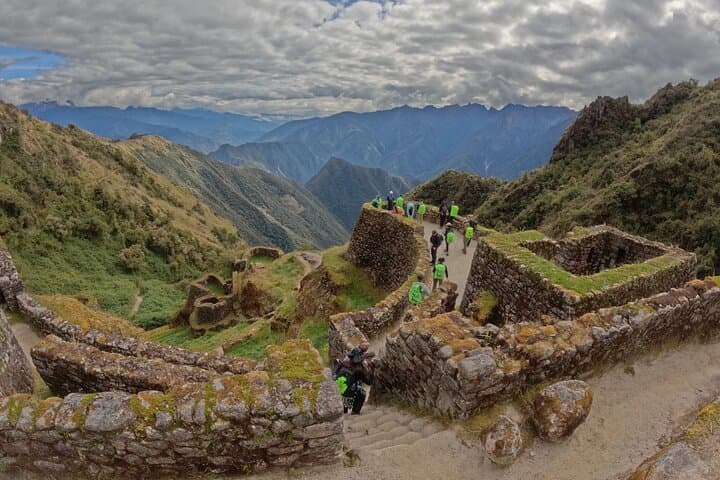
The route is as much archaeological corridor as wilderness: pre-Columbian paths, stepped Inca stairways and sites such as Llactapata, Phuyupatamarka and Wiñay Wayna showcase Andean engineering and Inca agricultural terraces. Geologically, the trail traces steep river-cut canyons of the Urubamba watershed, moving from humid cloud forest to puna highland where glacial-polished rock and vertical ridgelines dominate.
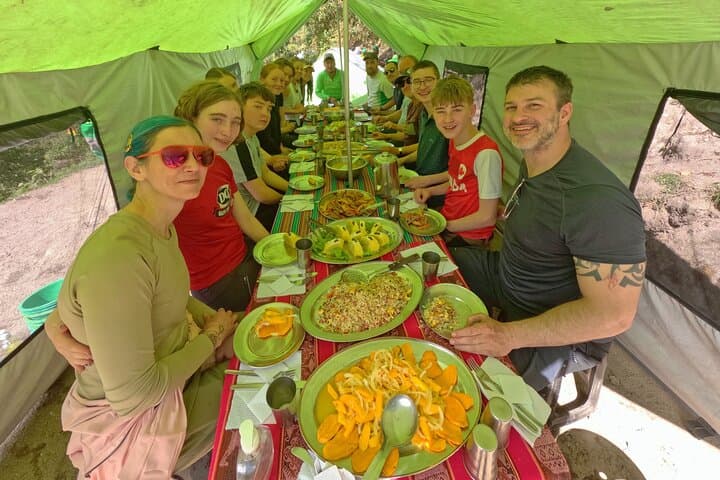
Expect early mornings, camp life in 2-person tents, meals cooked by a trekking chef, and a support team of porters who carry up to 7 kg per guest. Key logistics: a typical day ranges from 4–9 hours on trail, the highest sustained altitude is 4,215 m, and train transport returns you from Aguas Calientes to Ollantaytambo on day four.
Practical guidance: acclimatize in Cusco for 48 hours before trekking, use sturdy boots with good ankle support, pack layered clothing and a reliable rain shell, and drink steadily to manage altitude. Book well in advance—the Inca Trail has regulated permits—and prepare physically with hill repeats and longer hikes at altitude if possible. With thoughtful prep the trail rewards effort with dramatic vantage points and a first glimpse of Machu Picchu that feels earned.
challenging.
3–4 days.
Moderate to high aerobic fitness recommended with prior hiking experience and altitude exposure; ability to hike 6–9 hours on steep terrain.
Yes—original passport is required for entry to the Inca Trail and Machu Picchu; guides collect tickets but you must carry your passport.
Prior multi‑day hiking experience is strongly recommended due to sustained ascents, altitude and camping conditions; a moderate fitness level is mandatory.
Huayna Picchu requires separate tickets with limited availability—book well in advance if you want the extra summit hike after the guided Machu Picchu visit.
The tour includes porters (up to 7 kg each), tent camping (2 per tent), chef‑prepared meals, first aid, oxygen and satellite phone for emergencies.
The Inca Trail follows pre-Hispanic routes linking highland communities to the Machu Picchu citadel; many ruins along the trail served agricultural, ceremonial and strategic roles.
Visitor numbers are regulated with daily permit limits and porter weight rules to reduce trail erosion; pack-out protocols and local conservation fees support upkeep.
Alpaca Expeditions operates guided outdoor trips and adventures with an emphasis on safety, stewardship, and memorable experiences.
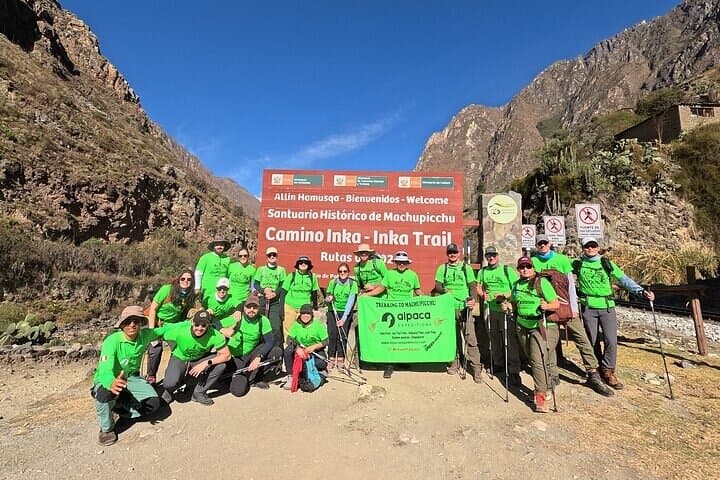
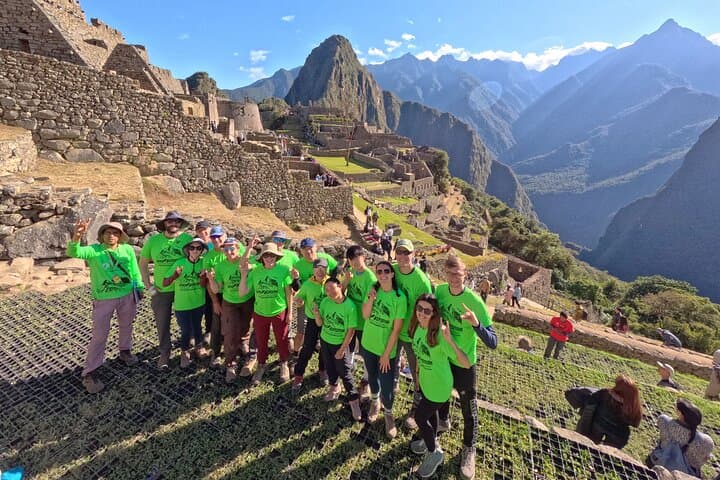
Dawn at Piscacucho (Km 82) is a controlled chaos of porters, steaming breakfast and laced boots. You shoulder your pack, the first stone steps pull you upward, and the trail narrows into cloud forest that alternates with high Andean grasslands. Over four days you climb to Warmi Wañusqa (Dead Woman’s Pass, 4,215 m), descend through terraced ruins, and finish at Intipunku—the Sun Gate—where Machu Picchu unfolds below.
Dawn at Piscacucho (Km 82) is a controlled chaos of porters, steaming breakfast and laced boots. You shoulder your pack, the first stone steps pull you upward, and the trail narrows into cloud forest that alternates with high Andean grasslands. Over four days you climb to Warmi Wañusqa (Dead Woman’s Pass, 4,215 m), descend through terraced ruins, and finish at Intipunku—the Sun Gate—where Machu Picchu unfolds below.
The route is as much archaeological corridor as wilderness: pre-Columbian paths, stepped Inca stairways and sites such as Llactapata, Phuyupatamarka and Wiñay Wayna showcase Andean engineering and Inca agricultural terraces. Geologically, the trail traces steep river-cut canyons of the Urubamba watershed, moving from humid cloud forest to puna highland where glacial-polished rock and vertical ridgelines dominate.
Expect early mornings, camp life in 2-person tents, meals cooked by a trekking chef, and a support team of porters who carry up to 7 kg per guest. Key logistics: a typical day ranges from 4–9 hours on trail, the highest sustained altitude is 4,215 m, and train transport returns you from Aguas Calientes to Ollantaytambo on day four.
Practical guidance: acclimatize in Cusco for 48 hours before trekking, use sturdy boots with good ankle support, pack layered clothing and a reliable rain shell, and drink steadily to manage altitude. Book well in advance—the Inca Trail has regulated permits—and prepare physically with hill repeats and longer hikes at altitude if possible. With thoughtful prep the trail rewards effort with dramatic vantage points and a first glimpse of Machu Picchu that feels earned.