THE ADVENTURE COLLECTIVE® · Independent discovery and booking for outdoor travel

Walk the classic Inca Trail over four days from km 82 to Machu Picchu, passing cloud forest, high puna and iconic Inca sites. This guided, permitted trek combines historical stonework, steep passes (up to 4,215 m) and comfortable campsite services before a panoramic train ride back to the Sacred Valley.
Walk the classic Inca Trail over four days from km 82 to Machu Picchu, passing cloud forest, high puna and iconic Inca sites. This guided, permitted trek combines historical stonework, steep passes (up to 4,215 m) and comfortable campsite services before a panoramic train ride back to the Sacred Valley.
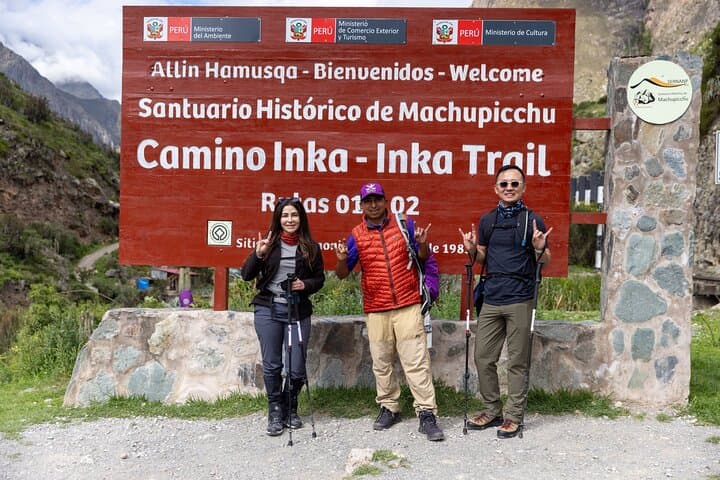
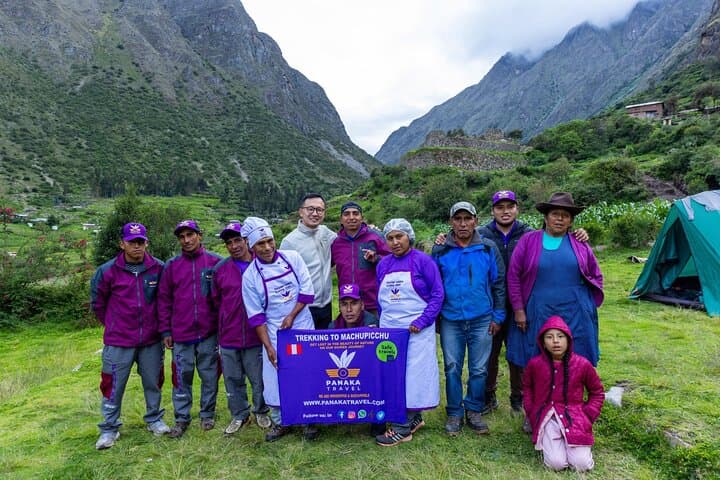
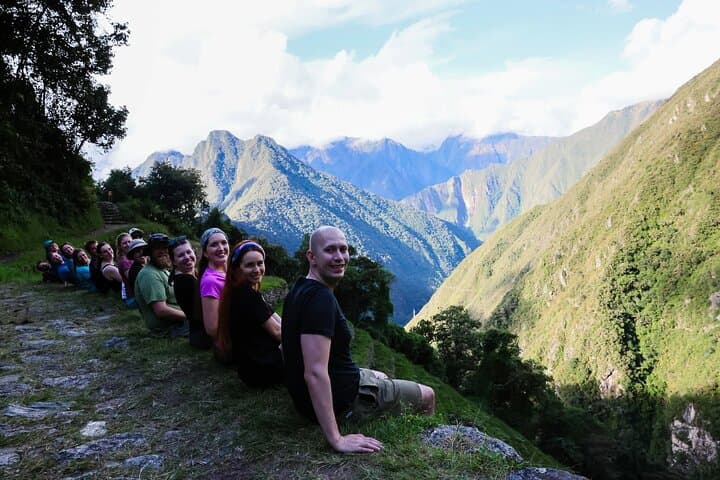
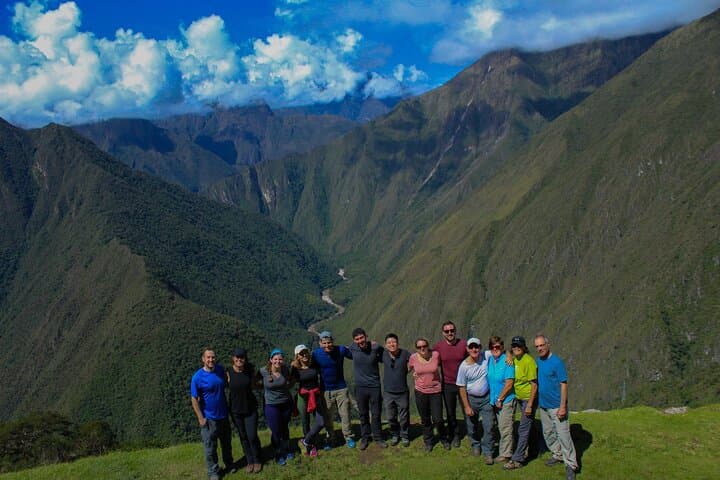
Dawn at km 82 opens with steaming cups of tea and the low murmur of a trekking crew preparing packs. Hikers shoulder daypacks while sun cuts through mist across a river valley; stone stairways and narrow paths climb steadily into cloud forest. Over four days you cover roughly 42 km (about 26 miles), moving from Andean villages through high puna grassland to the Sun Gate, where Machu Picchu first reveals itself.
Verified experiences and guided adventures in the surrounding area.
Operated by Panaka Travel · Aguas Calientes, Cusco Region
Dawn at km 82 opens with steaming cups of tea and the low murmur of a trekking crew preparing packs. Hikers shoulder daypacks while sun cuts through mist across a river valley; stone stairways and narrow paths climb steadily into cloud forest. Over four days you cover roughly 42 km (about 26 miles), moving from Andean villages through high puna grassland to the Sun Gate, where Machu Picchu first reveals itself.
The route follows plantings, terraces and finely carved stonework left by the Inca to connect their capital, Cusco, with the citadel. Geologically the trail threads abrupt Andean folds and river-cut gorges; changeable microclimates mean moss-draped cloud forest gives way to windswept high-altitude puna. Along the way, communities of Quechua speakers still raise llamas and cultivate potatoes; the trip often includes cultural stops and meals that showcase local ingredients and techniques.
Practically, this is a guided, permitted trek: Inca Trail permits are required and limited, and the highest point is Abra Warmihuañusca (Dead Woman’s Pass) at 4,215 m (13,829 ft). Expect uneven stone steps, steep ascents and long descents; daily hiking ranges from 4–8 hours. The itinerary commonly includes high-quality camping, hot showers at camps, and a final ride to the Machu Picchu citadel plus train travel to Ollantaytambo.
Prepare by acclimatizing in Cusco for 2–3 days, carrying layered clothing, solid waterproof footwear, and a hydration system. Respect regulated group sizes and leave no trace: the permit system exists to protect fragile highland ecosystems while preserving one of South America’s most iconic walks.
challenging.
4 days.
Good cardiovascular fitness and experience with multi-day hiking at altitude; ability to handle sustained climbs and descents.
Yes—official Inca Trail permits are required and limited; they must be arranged in advance through licensed operators.
Dead Woman’s Pass is the trail’s highest and steepest point at 4,215 m; the climb is sustained but achievable with acclimatization and frequent rests.
On guided Classic Inca Trail itineraries, meals, high-quality tents, and communal dining equipment are provided; check your operator for exact inclusions.
Yes—Huayna Picchu access is optional and requires a separate ticket; it should be booked in advance as slots are limited.
The Inca Trail is part of a larger Inca road network built to connect Cusco with administrative and sacred centers like Machu Picchu during the 15th century.
Permits and strict group limits are enforced to reduce erosion and visitor impact; use of licensed porters and carry-in/carry-out practices supports local livelihoods and trail preservation.
Panaka Travel operates guided outdoor trips and adventures with an emphasis on safety, stewardship, and memorable experiences.
Dawn at km 82 opens with steaming cups of tea and the low murmur of a trekking crew preparing packs. Hikers shoulder daypacks while sun cuts through mist across a river valley; stone stairways and narrow paths climb steadily into cloud forest. Over four days you cover roughly 42 km (about 26 miles), moving from Andean villages through high puna grassland to the Sun Gate, where Machu Picchu first reveals itself.
Dawn at km 82 opens with steaming cups of tea and the low murmur of a trekking crew preparing packs. Hikers shoulder daypacks while sun cuts through mist across a river valley; stone stairways and narrow paths climb steadily into cloud forest. Over four days you cover roughly 42 km (about 26 miles), moving from Andean villages through high puna grassland to the Sun Gate, where Machu Picchu first reveals itself.
The route follows plantings, terraces and finely carved stonework left by the Inca to connect their capital, Cusco, with the citadel. Geologically the trail threads abrupt Andean folds and river-cut gorges; changeable microclimates mean moss-draped cloud forest gives way to windswept high-altitude puna. Along the way, communities of Quechua speakers still raise llamas and cultivate potatoes; the trip often includes cultural stops and meals that showcase local ingredients and techniques.
Practically, this is a guided, permitted trek: Inca Trail permits are required and limited, and the highest point is Abra Warmihuañusca (Dead Woman’s Pass) at 4,215 m (13,829 ft). Expect uneven stone steps, steep ascents and long descents; daily hiking ranges from 4–8 hours. The itinerary commonly includes high-quality camping, hot showers at camps, and a final ride to the Machu Picchu citadel plus train travel to Ollantaytambo.
Prepare by acclimatizing in Cusco for 2–3 days, carrying layered clothing, solid waterproof footwear, and a hydration system. Respect regulated group sizes and leave no trace: the permit system exists to protect fragile highland ecosystems while preserving one of South America’s most iconic walks.