THE ADVENTURE COLLECTIVE® · Independent discovery and booking for outdoor travel

A classic four-day trek along the official Inca Trail that finishes at Machu Picchu and returns via panoramic Vistadome train. Expect steep passes, cloud-forest walking, expert guides, and full camping support.
A classic four-day trek along the official Inca Trail that finishes at Machu Picchu and returns via panoramic Vistadome train. Expect steep passes, cloud-forest walking, expert guides, and full camping support.
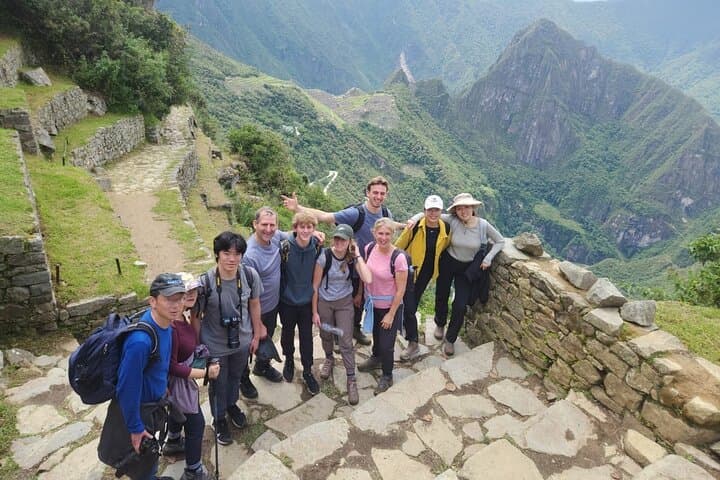
Dawn on the Inca Trail feels immediate: cool, thin air that tugs at your breath as the mountains unroll in tiers of stone and cloud. On day one you set out from Km 82, moving from river valleys into oak-studded slopes; by day two the trail climbs to Dead Woman’s Pass where the Andes push you to meet them. Campfires smell of wood smoke and trail chefs turn simple ingredients into warm, sustaining meals.
Verified experiences and guided adventures in the surrounding area.
Operated by Cosmo Expeditions · Cusco, Cusco Region
Dawn on the Inca Trail feels immediate: cool, thin air that tugs at your breath as the mountains unroll in tiers of stone and cloud. On day one you set out from Km 82, moving from river valleys into oak-studded slopes; by day two the trail climbs to Dead Woman’s Pass where the Andes push you to meet them. Campfires smell of wood smoke and trail chefs turn simple ingredients into warm, sustaining meals.
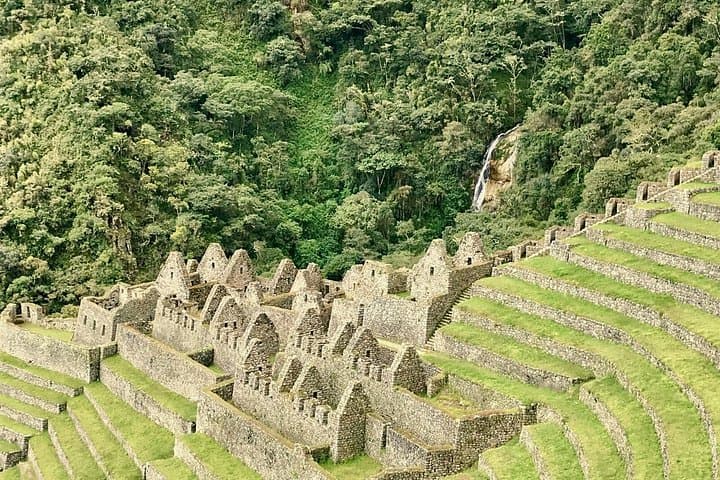
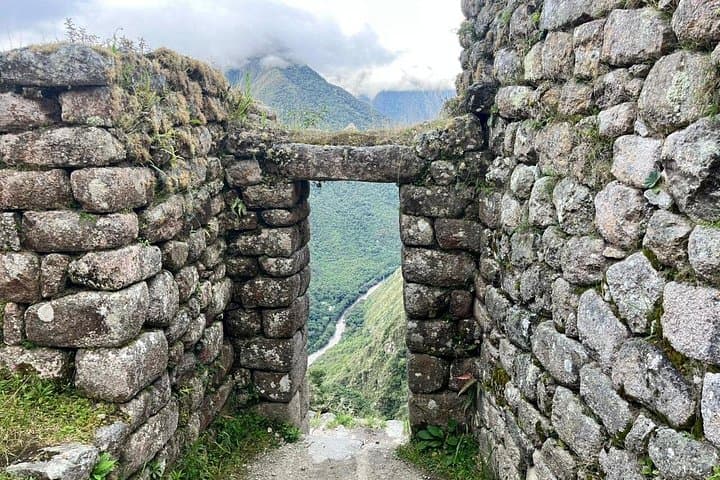
The Inca Trail follows ancient stone stairways and narrow causeways built by the Inca empire, linking agricultural terraces and hilltop tambos. Geologically the route traces folded volcanic and sedimentary layers of the Eastern Cordillera, carving microclimates from cloud forest to high puna. Local Quechua communities maintain living traditions—coca rituals, woven textiles and small highland markets—that punctuate the route with cultural stops.
Practically: this is a four-day, high-altitude trek requiring solid fitness and acclimatization. Expect daily hikes of 10–20 km with dramatic elevation swings (highest point ~4,215 m). Guides arrange sleeping tents, private portable toilets, hot meals and porter service for a personal duffel (up to 7 kg). Hydration, slow pacing on ascents, and layered clothing for sun, wind and rain are essential. Train travel on the Vistadome returns you through the Sacred Valley in comfort—an easy contrast after days on the trail.
Plan for early starts, limited cell service, and strictly enforced permits—respect campsites and carry out waste. The payoff is the Sun Gate reveal: Machu Picchu materializes from cloud and forest, reward enough for the effort.
challenging.
4 days.
Requires strong cardiovascular fitness, prior multi-day hike experience and comfort ascending/descending steep, high-altitude terrain
Yes—official Inca Trail permits are limited and issued by the Peruvian authorities; reputable operators secure permits in advance as part of the package.
It’s the highest and steepest point (~4,215 m) with sustained climbing; steady pacing, acclimatization and breaks make it manageable for fit hikers.
Campsites provide private portable toilets; there are no showers on the trail though some camps offer basic hot-water sponge baths near dining areas.
Symptoms are common; acclimatize in Cusco, hydrate, eat well and tell guides if you feel severe symptoms—they carry oxygen and have evacuation plans.
The Inca Trail is a network of pre-Columbian paths connecting administrative and religious sites; Machu Picchu itself was a 15th-century Inca citadel later abandoned and rediscovered in 1911.
Traffic on the trail is strictly limited by permit to protect archaeological sites and fragile ecosystems; follow Leave No Trace rules and respect designated campsites.
Cosmo Expeditions operates guided outdoor trips and adventures with an emphasis on safety, stewardship, and memorable experiences.
Dawn on the Inca Trail feels immediate: cool, thin air that tugs at your breath as the mountains unroll in tiers of stone and cloud. On day one you set out from Km 82, moving from river valleys into oak-studded slopes; by day two the trail climbs to Dead Woman’s Pass where the Andes push you to meet them. Campfires smell of wood smoke and trail chefs turn simple ingredients into warm, sustaining meals.
Dawn on the Inca Trail feels immediate: cool, thin air that tugs at your breath as the mountains unroll in tiers of stone and cloud. On day one you set out from Km 82, moving from river valleys into oak-studded slopes; by day two the trail climbs to Dead Woman’s Pass where the Andes push you to meet them. Campfires smell of wood smoke and trail chefs turn simple ingredients into warm, sustaining meals.
The Inca Trail follows ancient stone stairways and narrow causeways built by the Inca empire, linking agricultural terraces and hilltop tambos. Geologically the route traces folded volcanic and sedimentary layers of the Eastern Cordillera, carving microclimates from cloud forest to high puna. Local Quechua communities maintain living traditions—coca rituals, woven textiles and small highland markets—that punctuate the route with cultural stops.
Practically: this is a four-day, high-altitude trek requiring solid fitness and acclimatization. Expect daily hikes of 10–20 km with dramatic elevation swings (highest point ~4,215 m). Guides arrange sleeping tents, private portable toilets, hot meals and porter service for a personal duffel (up to 7 kg). Hydration, slow pacing on ascents, and layered clothing for sun, wind and rain are essential. Train travel on the Vistadome returns you through the Sacred Valley in comfort—an easy contrast after days on the trail.
Plan for early starts, limited cell service, and strictly enforced permits—respect campsites and carry out waste. The payoff is the Sun Gate reveal: Machu Picchu materializes from cloud and forest, reward enough for the effort.