THE ADVENTURE COLLECTIVE® · Independent discovery and booking for outdoor travel

A four-day trek that follows ancient stone stairways and climbs to a 4,200 m pass before descending into Machu Picchu’s cloud forest. This guide explains terrain, logistics, and how to prepare for the permits and altitude.
A four-day trek that follows ancient stone stairways and climbs to a 4,200 m pass before descending into Machu Picchu’s cloud forest. This guide explains terrain, logistics, and how to prepare for the permits and altitude.
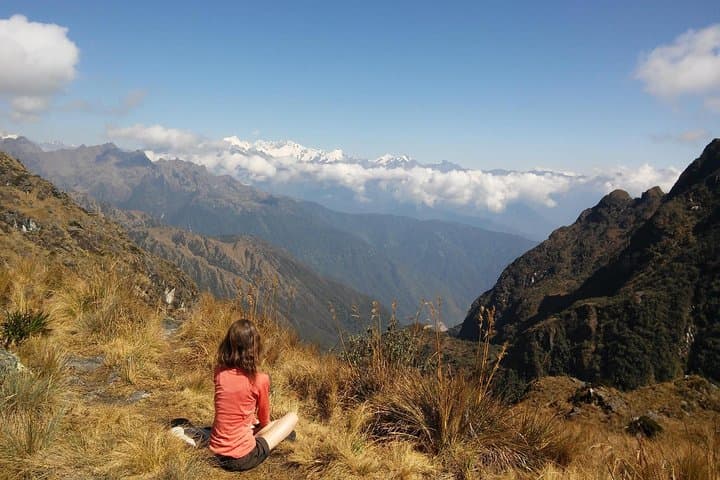
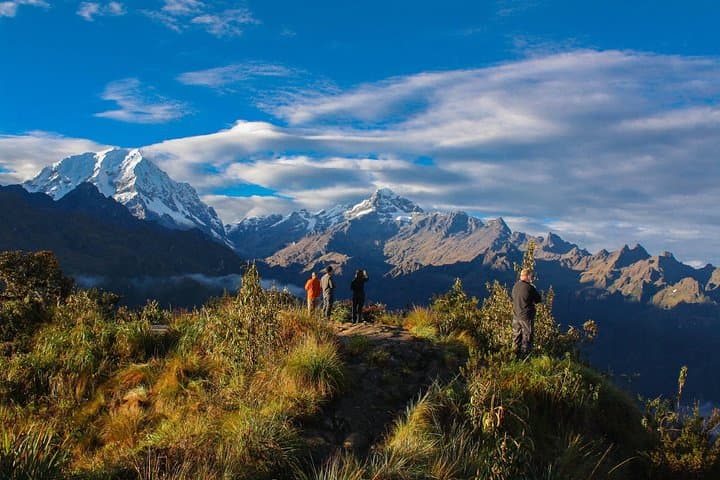
Dawn breaks over steep terraces and the trail exhales mist; hikers tighten straps as the path climbs toward a high pass that has watched Incan pilgrims for five centuries.
Verified experiences and guided adventures in the surrounding area.
Operated by Peru by Locals · Cusco, Cusco Region
Dawn breaks over steep terraces and the trail exhales mist; hikers tighten straps as the path climbs toward a high pass that has watched Incan pilgrims for five centuries.
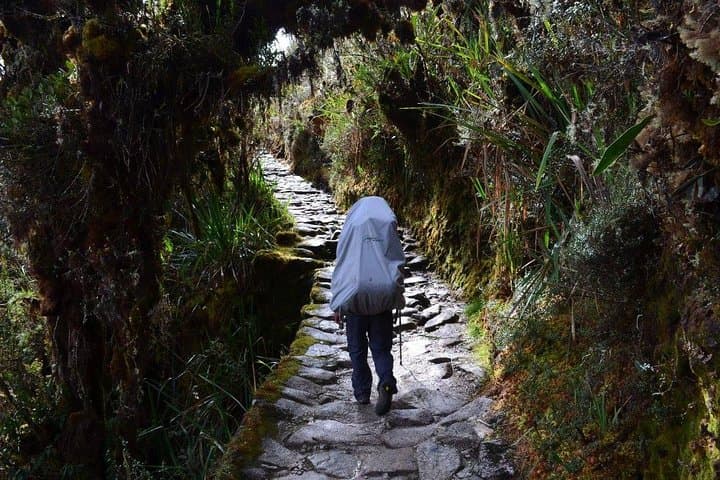
The four-day Classic Inca Trail covers roughly 42–45 km from the high Andean puna down through cloud forest into the Urubamba valley, topping at Warmiwañusqa (Dead Woman’s Pass) near 4,200 m. Stone stairways laid by Inca hands alternate with rocky track and muddy sections in the forest. You move through archaeological sites — some small storehouses, others ceremonial terraces — each one a quiet chapter in a long history of Andean engineering and ritual travel.
Geology here is raw: folded, uplifted Andean ranges give way to erosive valleys and steep river corridors. Culturally the route remains a living route—Quechua-speaking communities still tend fields below the trail while porters and guides keep centuries-old guiding traditions alive. The government limits daily passes to protect the corridor, so planning and permits are essential.
Practical guidance: prepare for large altitude shifts and sustained uphill sections; expect 6–8 hours on the longest day and heavy stairs underfoot. Acclimatize in Cusco (3,400 m) for 2–3 days before departure, carry layered clothing for wet cloud-forest conditions, and bring high-calorie snacks and a reliable water treatment. Trail pace is deliberate — the trail rewards those who move steadily and respect mountain weather. Arrive with permits booked, a trained guide, and gratitude for the people who keep this trail open.
challenging.
3–4 days.
Be in strong aerobic condition and used to long uphill days; prior multi-day hiking experience at altitude is highly recommended.
The 4-day itineraries typically cover about 42–45 km with the longest daily stretch including the 4,200 m pass.
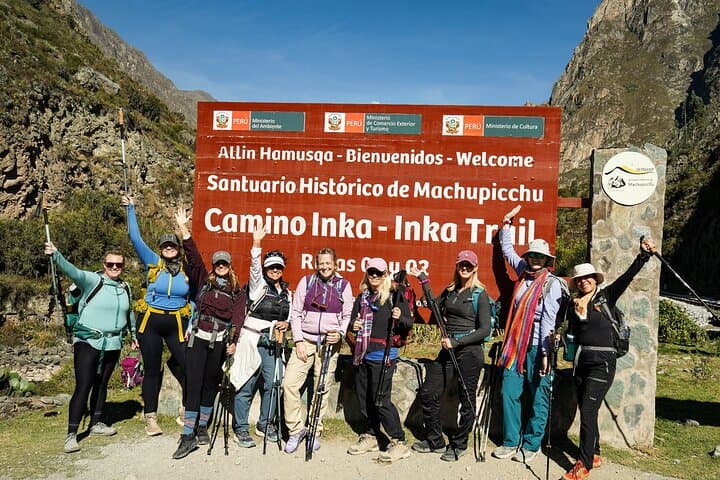
Yes—permits are restricted and the trail requires registration with an authorized guide; independent hiking is not allowed.
The dry season (May–September) offers firmer trails and clearer views; shoulder months can work but expect more rain.
People with good cardiovascular health and prior multi-day hiking experience can do it; it’s not recommended for pregnant travelers or those with serious heart conditions.
The trail is an ancient Inca route linking highland communities to Machu Picchu; many stone sections are original Incan construction adapted over centuries.
Strict daily permit limits, regulated camping zones, and porter guidelines aim to reduce erosion and protect archaeological sites; choose operators who follow these rules.
Peru by Locals operates guided outdoor trips and adventures with an emphasis on safety, stewardship, and memorable experiences.
Dawn breaks over steep terraces and the trail exhales mist; hikers tighten straps as the path climbs toward a high pass that has watched Incan pilgrims for five centuries.
Dawn breaks over steep terraces and the trail exhales mist; hikers tighten straps as the path climbs toward a high pass that has watched Incan pilgrims for five centuries.
The four-day Classic Inca Trail covers roughly 42–45 km from the high Andean puna down through cloud forest into the Urubamba valley, topping at Warmiwañusqa (Dead Woman’s Pass) near 4,200 m. Stone stairways laid by Inca hands alternate with rocky track and muddy sections in the forest. You move through archaeological sites — some small storehouses, others ceremonial terraces — each one a quiet chapter in a long history of Andean engineering and ritual travel.
Geology here is raw: folded, uplifted Andean ranges give way to erosive valleys and steep river corridors. Culturally the route remains a living route—Quechua-speaking communities still tend fields below the trail while porters and guides keep centuries-old guiding traditions alive. The government limits daily passes to protect the corridor, so planning and permits are essential.
Practical guidance: prepare for large altitude shifts and sustained uphill sections; expect 6–8 hours on the longest day and heavy stairs underfoot. Acclimatize in Cusco (3,400 m) for 2–3 days before departure, carry layered clothing for wet cloud-forest conditions, and bring high-calorie snacks and a reliable water treatment. Trail pace is deliberate — the trail rewards those who move steadily and respect mountain weather. Arrive with permits booked, a trained guide, and gratitude for the people who keep this trail open.