THE ADVENTURE COLLECTIVE® · Independent discovery and booking for outdoor travel

A four-day, three-night trek following ancient Inca stone roads from Km 82 to Machu Picchu. Expect steep passes, stone stairways, cloud-forest stretches, and a sunrise at Inti Punku.
A four-day, three-night trek following ancient Inca stone roads from Km 82 to Machu Picchu. Expect steep passes, stone stairways, cloud-forest stretches, and a sunrise at Inti Punku.
Dawn presses cool air against your face as the van winds down from Cusco toward Km 82. The Urubamba River hisses below; stone steps appear, then vanish into cloud and moss. On the Classic Inca Trail you move through living history—Inca stairways, guard posts, and terraces—each climb revealing a new angle on the high Andes and the cloud forest that dares you onward.
Verified experiences and guided adventures in the surrounding area.
Operated by Minkas Travel · Machu Picchu, Cusco
Dawn presses cool air against your face as the van winds down from Cusco toward Km 82. The Urubamba River hisses below; stone steps appear, then vanish into cloud and moss. On the Classic Inca Trail you move through living history—Inca stairways, guard posts, and terraces—each climb revealing a new angle on the high Andes and the cloud forest that dares you onward.
The path follows pre-Columbian roads built by the Inca to link administrative centers and sacred sites. Geology here is dramatic: folded volcanic and sedimentary layers shaped by Andean uplift, with snow-capped peaks like Veronica standing guard over deeper, green valleys. Local Quechua communities still practice highland agriculture; along the trail, cooks serve traditional soups and stews you’ll recognize by their flavors and altitude-hardened ingredients.
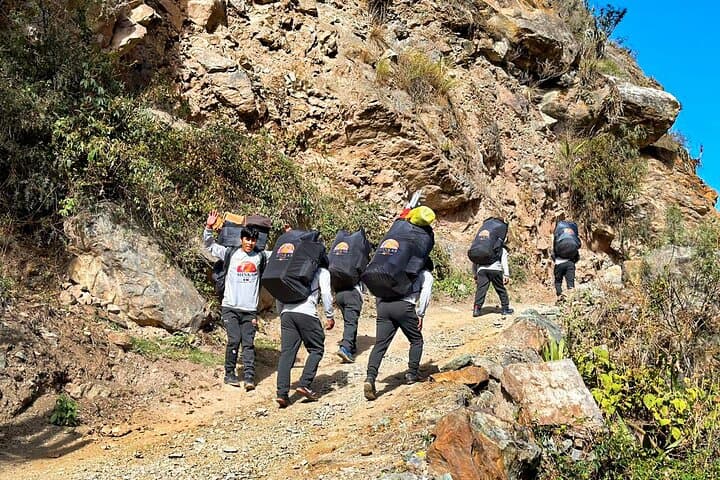
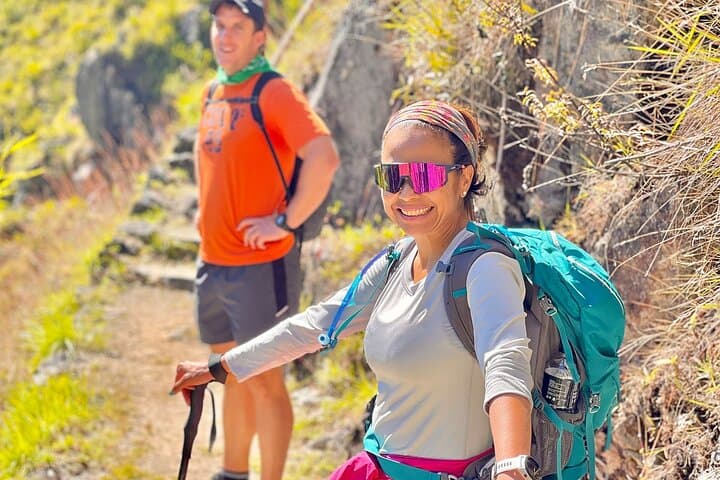
Practical guidance: the itinerary is four days and three nights of camping, with one sustained high pass—Dead Woman’s Pass—requiring sustained aerobic effort and stair-climbing. Expect 10–20 km days on uneven stone, switchbacks, and steep descents; altitude reaches around 4,200 m on the highest pass. Bring a layered system for rapidly changing weather, a reliable headlamp for pre-dawn starts, and trek at your own pace on steep sections.
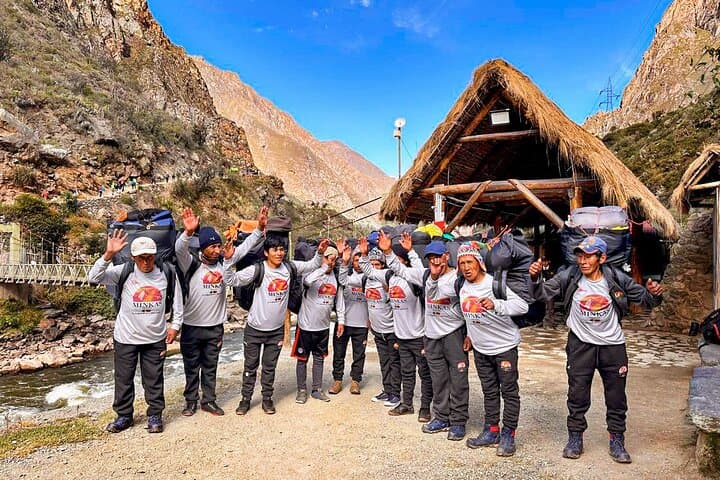
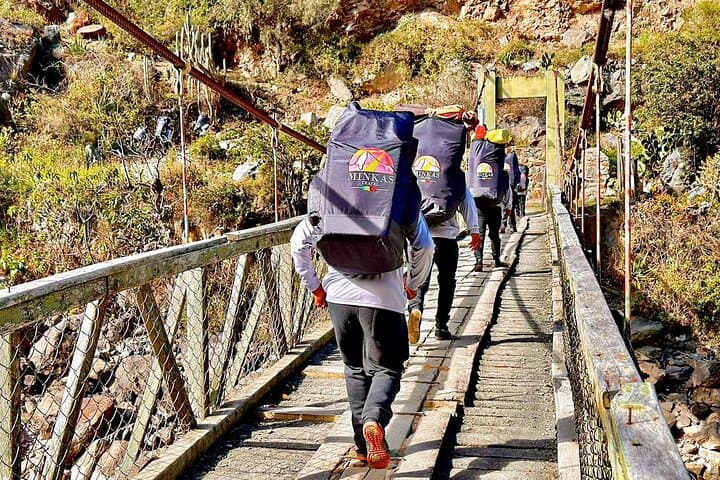
Guides handle permits, logistics, and camp service, but physical preparation and proper gear make the trip enjoyable. Respect fragile archaeological sites: stay on paths, pack out trash, and keep voices low near ruins. Reach Inti Punku at sunrise and you’ll understand why generations of travelers regard this route as indispensable.
challenging.
4 days.
Good cardiovascular fitness and experience with sustained uphill and stair climbing; able to hike 6–8 hours a day.
The trail is challenging due to sustained climbs, stone staircases, and altitude; prepare with cardiovascular training and hill repeats.
Yes—an Inca Trail ticket and Machu Picchu entrance are required and typically handled by the operator; they are limited and must be secured in advance.
Waterproof, supportive hiking boots with good tread are recommended; break them in before the trip to avoid blisters.
Yes—sleeping bags, trekking poles, and thermal layers are available to rent in Cusco, but quality varies; confirm fit and condition beforehand.
The Inca Trail is part of a vast pre-Hispanic road network connecting administrative centers and sacred sites in the Andean empire.
Visitor numbers are capped and regulated; follow leave-no-trace rules, avoid straying off paths, and minimize single-use plastics to protect fragile cloud-forest ecosystems.
Minkas Travel operates guided outdoor trips and adventures with an emphasis on safety, stewardship, and memorable experiences.
Dawn presses cool air against your face as the van winds down from Cusco toward Km 82. The Urubamba River hisses below; stone steps appear, then vanish into cloud and moss. On the Classic Inca Trail you move through living history—Inca stairways, guard posts, and terraces—each climb revealing a new angle on the high Andes and the cloud forest that dares you onward.
Dawn presses cool air against your face as the van winds down from Cusco toward Km 82. The Urubamba River hisses below; stone steps appear, then vanish into cloud and moss. On the Classic Inca Trail you move through living history—Inca stairways, guard posts, and terraces—each climb revealing a new angle on the high Andes and the cloud forest that dares you onward.
The path follows pre-Columbian roads built by the Inca to link administrative centers and sacred sites. Geology here is dramatic: folded volcanic and sedimentary layers shaped by Andean uplift, with snow-capped peaks like Veronica standing guard over deeper, green valleys. Local Quechua communities still practice highland agriculture; along the trail, cooks serve traditional soups and stews you’ll recognize by their flavors and altitude-hardened ingredients.
Practical guidance: the itinerary is four days and three nights of camping, with one sustained high pass—Dead Woman’s Pass—requiring sustained aerobic effort and stair-climbing. Expect 10–20 km days on uneven stone, switchbacks, and steep descents; altitude reaches around 4,200 m on the highest pass. Bring a layered system for rapidly changing weather, a reliable headlamp for pre-dawn starts, and trek at your own pace on steep sections.
Guides handle permits, logistics, and camp service, but physical preparation and proper gear make the trip enjoyable. Respect fragile archaeological sites: stay on paths, pack out trash, and keep voices low near ruins. Reach Inti Punku at sunrise and you’ll understand why generations of travelers regard this route as indispensable.