THE ADVENTURE COLLECTIVE® · Independent discovery and booking for outdoor travel

A private, four-day trek along the Classic Inca Trail delivers high-altitude climbs, cloud-forest passages and sunrise views through the Sun Gate at Machu Picchu. This guide covers what to expect—terrain, history, and realistic prep for the trail’s toughest day: Dead Woman’s Pass.
A private, four-day trek along the Classic Inca Trail delivers high-altitude climbs, cloud-forest passages and sunrise views through the Sun Gate at Machu Picchu. This guide covers what to expect—terrain, history, and realistic prep for the trail’s toughest day: Dead Woman’s Pass.
Dawn breaks cold and thin over the high Andean ridges as a private group steps into the ancient stone stairways of the Classic Inca Trail. Early light slides across cloud forest and moss-clad terraces; the trail bends and pushes you upward, following centuries-old switchbacks hewn by Inca hands. By the third day the mountains feel alive—Veronica’s snowfields watch your progress while mountain streams dare you to linger.
Verified experiences and guided adventures in the surrounding area.
Operated by Andean Path Travel · Cusco, Cusco
Dawn breaks cold and thin over the high Andean ridges as a private group steps into the ancient stone stairways of the Classic Inca Trail. Early light slides across cloud forest and moss-clad terraces; the trail bends and pushes you upward, following centuries-old switchbacks hewn by Inca hands. By the third day the mountains feel alive—Veronica’s snowfields watch your progress while mountain streams dare you to linger.
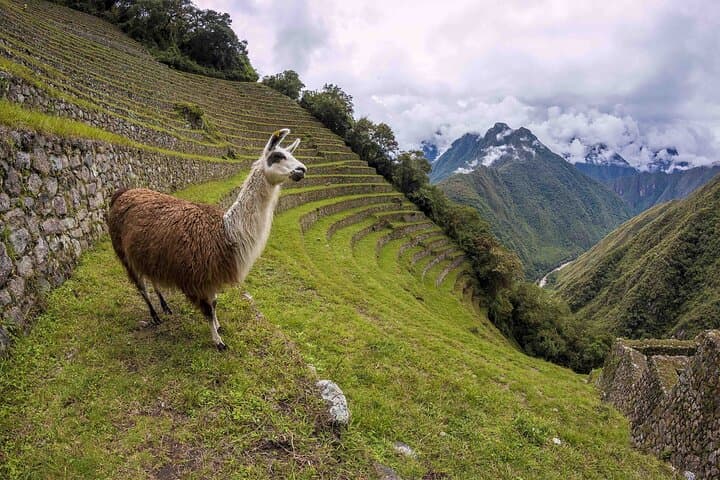
The route is a living corridor of history. Built as a royal and religious artery, the trail links archaeological sites—Llactapata, Phuyupatamarca, Winay Wayna—each with stonework that reveals Inca engineering and landscape planning. Geologically, the trail threads volcanic and metamorphic formations, then drops into humid cloud forest where orchids and bromeliads cling to steep slopes.
Local culture is woven into the itinerary: porters and cooks maintain traditional trail roles, and guides explain rituals and agricultural terraces that shaped Andean life for generations. Conservation rules regulate daily access—permits, campsite limits and park fees protect fragile ecosystems.
Practical guidance: the route is demanding—expect 4 days of steady hiking, with a 4,215 m high point at Dead Woman’s Pass. Hydrate vigorously, pace yourself on ascents, and sleep in quality layers; nights at camps drop quickly in temperature. Footwear should be broken-in, treaded, and waterproof. Plan acclimatization in Cusco for 48–72 hours before departure to minimize altitude issues.
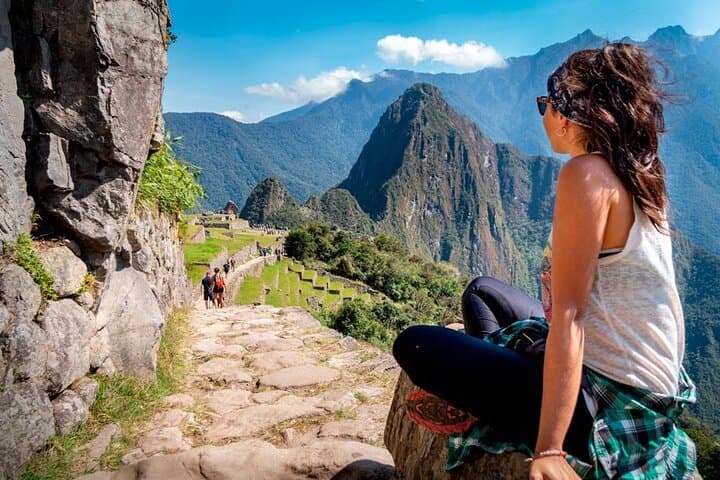
A private itinerary offers flexibility: earlier starts, tailored pacing and a dedicated guide who times camp meals and breaks to altitude and weather. On the final morning, the Sun Gate opens and Machu Picchu reveals itself in a cinematic sweep—an earned arrival after four days on stone.
challenging.
4 days.
Good aerobic fitness with experience hiking 6–8 hour days at moderate to high elevation; prior altitude exposure advised
Dead Woman’s Pass is the highest and steepest ascent on the trail at 4,215 m; expect 2–4 hours of steady climbing from the previous camp—pace, rest frequently and use poles.
Yes—permits are required and capped daily; this private tour handles permits, but bookings should be made months in advance during high season (May–September).
Camping is provided with personal tents, air mattresses, and full support from porters and cooks; final night in Aguas Calientes or return to Cusco varies by operator.
Altitude sickness can affect anyone; acclimatize in Cusco for 48–72 hours, stay hydrated, avoid alcohol, and consider medication like acetazolamide after consulting a physician.
The Inca Trail was an imperial road for pilgrims and Incan elites, linking highland settlements and ceremonial centers en route to Machu Picchu.
The trail runs through Machu Picchu National Park where strict permit limits, Leave No Trace practices, and controlled camping aim to protect fragile cloud-forest ecosystems.
Andean Path Travel operates guided outdoor trips and adventures with an emphasis on safety, stewardship, and memorable experiences.
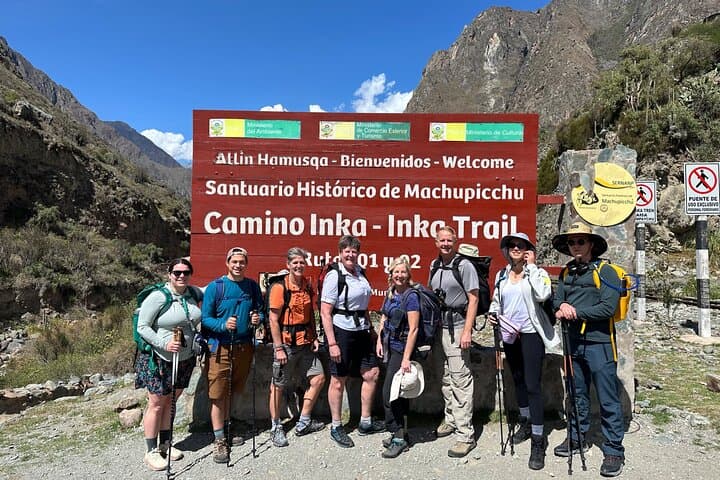
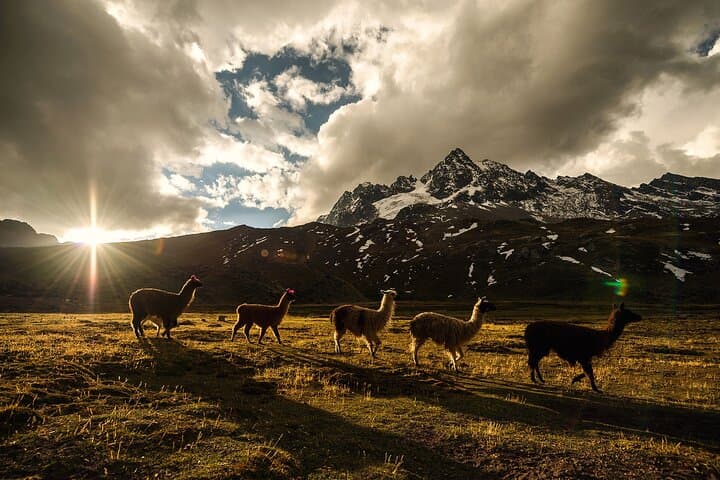
Dawn breaks cold and thin over the high Andean ridges as a private group steps into the ancient stone stairways of the Classic Inca Trail. Early light slides across cloud forest and moss-clad terraces; the trail bends and pushes you upward, following centuries-old switchbacks hewn by Inca hands. By the third day the mountains feel alive—Veronica’s snowfields watch your progress while mountain streams dare you to linger.
Dawn breaks cold and thin over the high Andean ridges as a private group steps into the ancient stone stairways of the Classic Inca Trail. Early light slides across cloud forest and moss-clad terraces; the trail bends and pushes you upward, following centuries-old switchbacks hewn by Inca hands. By the third day the mountains feel alive—Veronica’s snowfields watch your progress while mountain streams dare you to linger.
The route is a living corridor of history. Built as a royal and religious artery, the trail links archaeological sites—Llactapata, Phuyupatamarca, Winay Wayna—each with stonework that reveals Inca engineering and landscape planning. Geologically, the trail threads volcanic and metamorphic formations, then drops into humid cloud forest where orchids and bromeliads cling to steep slopes.
Local culture is woven into the itinerary: porters and cooks maintain traditional trail roles, and guides explain rituals and agricultural terraces that shaped Andean life for generations. Conservation rules regulate daily access—permits, campsite limits and park fees protect fragile ecosystems.
Practical guidance: the route is demanding—expect 4 days of steady hiking, with a 4,215 m high point at Dead Woman’s Pass. Hydrate vigorously, pace yourself on ascents, and sleep in quality layers; nights at camps drop quickly in temperature. Footwear should be broken-in, treaded, and waterproof. Plan acclimatization in Cusco for 48–72 hours before departure to minimize altitude issues.
A private itinerary offers flexibility: earlier starts, tailored pacing and a dedicated guide who times camp meals and breaks to altitude and weather. On the final morning, the Sun Gate opens and Machu Picchu reveals itself in a cinematic sweep—an earned arrival after four days on stone.