THE ADVENTURE COLLECTIVE® · Independent discovery and booking for outdoor travel

Four days along the original Inca camino: climb to Dead Woman’s Pass, pass high cloud‑forests and terraced ruins, then enter Machu Picchu through the Sun Gate. This practical guide covers what to expect, how to prepare, and the trail logistics.
Four days along the original Inca camino: climb to Dead Woman’s Pass, pass high cloud‑forests and terraced ruins, then enter Machu Picchu through the Sun Gate. This practical guide covers what to expect, how to prepare, and the trail logistics.
Dawn on day one finds you at Km 82, Andes air brisk and the trail already tugging at your boots. The path climbs and flattens across ancient stone, rivers calling you onward and cloud forests pressing close. By evening you’ll eat with a team of porters and camp beneath stars that feel noticeably closer at 3,200–3,400 meters.
Verified experiences and guided adventures in the surrounding area.
Operated by Happy Gringo Tours · Machu Picchu, Cusco
Dawn on day one finds you at Km 82, Andes air brisk and the trail already tugging at your boots. The path climbs and flattens across ancient stone, rivers calling you onward and cloud forests pressing close. By evening you’ll eat with a team of porters and camp beneath stars that feel noticeably closer at 3,200–3,400 meters.
This four‑day itinerary follows the original Inca camino, a 43 km route of paved steps, switchbacks and terraces built by stonecutters centuries ago to link highland communities with the royal estate now called Machu Picchu. Geology here shifts fast: volcanic slopes give way to folded sedimentary terraces and steep granite steps carved by Inca hands. Culture is constant—every ruin you pass was once a waystation, an agricultural bench or a ceremonial niche.
Expect long ascents and descents: the highest point is Dead Woman’s Pass at 4,215 m with cumulative elevation changes that test lungs and resolve. Terrain is a mix of packed earth, compacted Inca stone, and steep stone staircases; the trail can be wet and slippery in the shoulder seasons.
Practical notes: pace yourself on day two, hydrate before sunrise, and carry layers for wind and sun. Porters handle heavy loads on licensed treks, but you’ll need a daypack with water, rain gear and snacks. Arrive in Cusco two days early to acclimatize and buy any last‑minute gear. When you crest the Sun Gate on day four, Machu Picchu opens below—earnest, ancient and still daring you to look closer.
challenging.
4 days.
Requires strong cardiovascular fitness, regular hill training, and good hiking endurance at altitude
Yes, permits are limited and must match your passport; they’re issued for guided treks only and sell out in high season—book months in advance.
It’s the trek’s highest and most strenuous point at 4,215 m with a sustained steep ascent—pace yourself and monitor for altitude symptoms.
On licensed 4‑day Inca Trail treks, porters typically carry communal gear and camp supplies; check your operator’s porter policy for personal baggage allowances.
The dry season (May–September) offers more stable weather and clearer views, though the trail can be busy; shoulder months may be wetter but less crowded.
The Inca Trail formed a network of roads and stairways used by state runners and pilgrims; many sites along the route were administrative or ritual waystations tied to Cusco’s empire.
The trail’s permit system limits daily visitors to reduce erosion and protect archaeological sites; follow Leave No Trace, stick to the path, and avoid single‑use plastics.
Happy Gringo Tours operates guided outdoor trips and adventures with an emphasis on safety, stewardship, and memorable experiences.
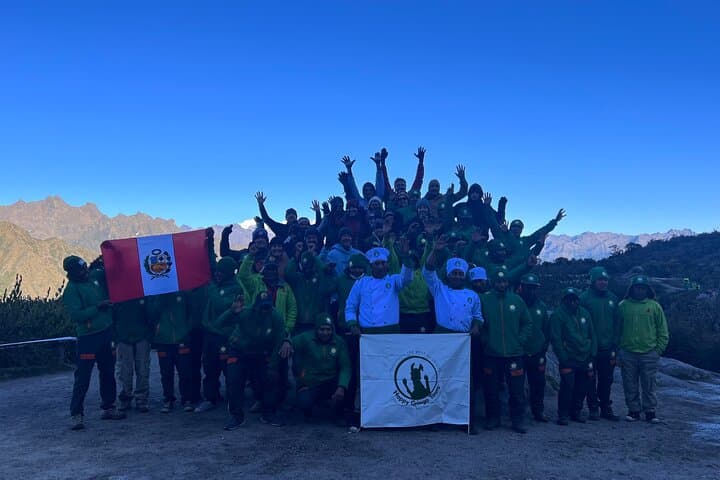
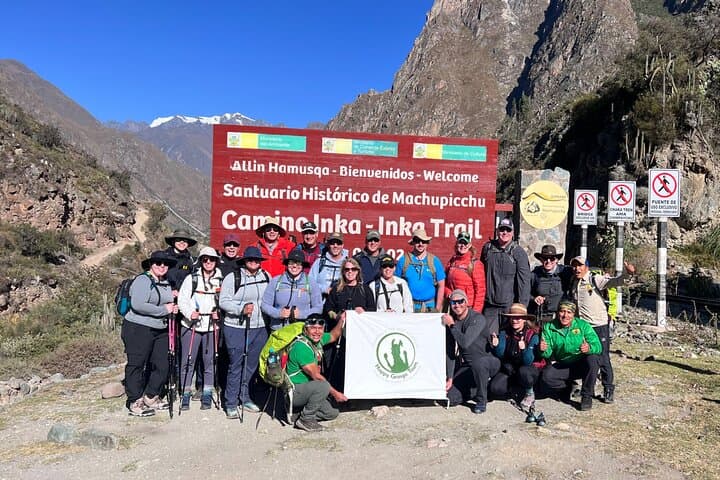
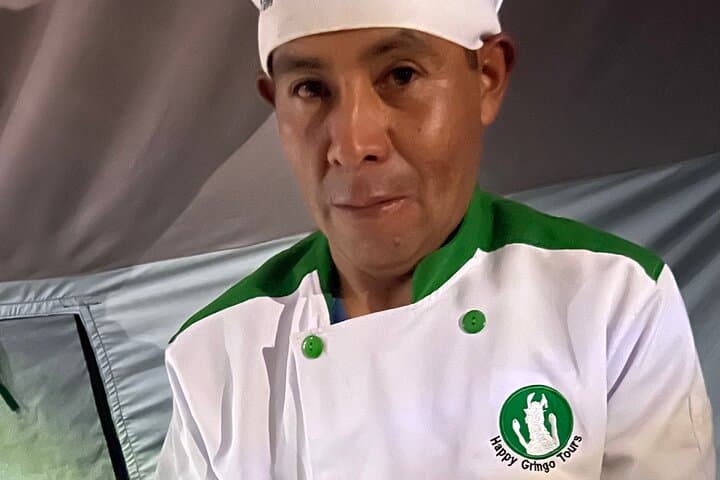

Dawn on day one finds you at Km 82, Andes air brisk and the trail already tugging at your boots. The path climbs and flattens across ancient stone, rivers calling you onward and cloud forests pressing close. By evening you’ll eat with a team of porters and camp beneath stars that feel noticeably closer at 3,200–3,400 meters.
Dawn on day one finds you at Km 82, Andes air brisk and the trail already tugging at your boots. The path climbs and flattens across ancient stone, rivers calling you onward and cloud forests pressing close. By evening you’ll eat with a team of porters and camp beneath stars that feel noticeably closer at 3,200–3,400 meters.
This four‑day itinerary follows the original Inca camino, a 43 km route of paved steps, switchbacks and terraces built by stonecutters centuries ago to link highland communities with the royal estate now called Machu Picchu. Geology here shifts fast: volcanic slopes give way to folded sedimentary terraces and steep granite steps carved by Inca hands. Culture is constant—every ruin you pass was once a waystation, an agricultural bench or a ceremonial niche.
Expect long ascents and descents: the highest point is Dead Woman’s Pass at 4,215 m with cumulative elevation changes that test lungs and resolve. Terrain is a mix of packed earth, compacted Inca stone, and steep stone staircases; the trail can be wet and slippery in the shoulder seasons.
Practical notes: pace yourself on day two, hydrate before sunrise, and carry layers for wind and sun. Porters handle heavy loads on licensed treks, but you’ll need a daypack with water, rain gear and snacks. Arrive in Cusco two days early to acclimatize and buy any last‑minute gear. When you crest the Sun Gate on day four, Machu Picchu opens below—earnest, ancient and still daring you to look closer.