THE ADVENTURE COLLECTIVE® · Independent discovery and booking for outdoor travel

Hike four days along the original Inca road from km 82 to Machu Picchu, crossing Dead Woman’s Pass and camping beside remote ruins. This expedition blends steep, high-altitude hiking with living history and careful logistics.
Hike four days along the original Inca road from km 82 to Machu Picchu, crossing Dead Woman’s Pass and camping beside remote ruins. This expedition blends steep, high-altitude hiking with living history and careful logistics.
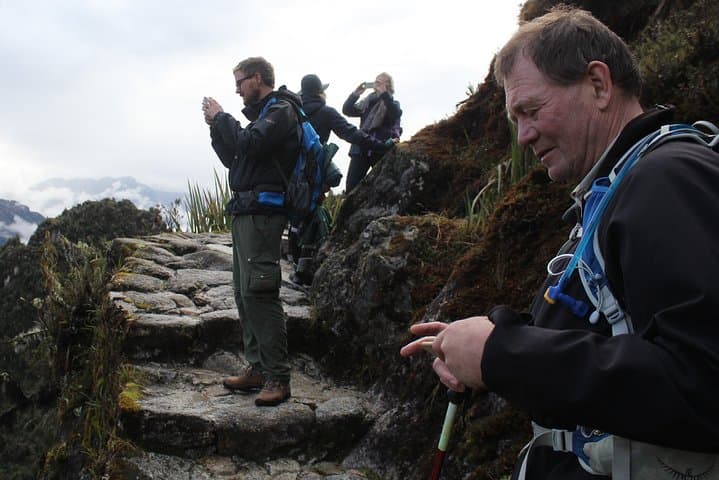
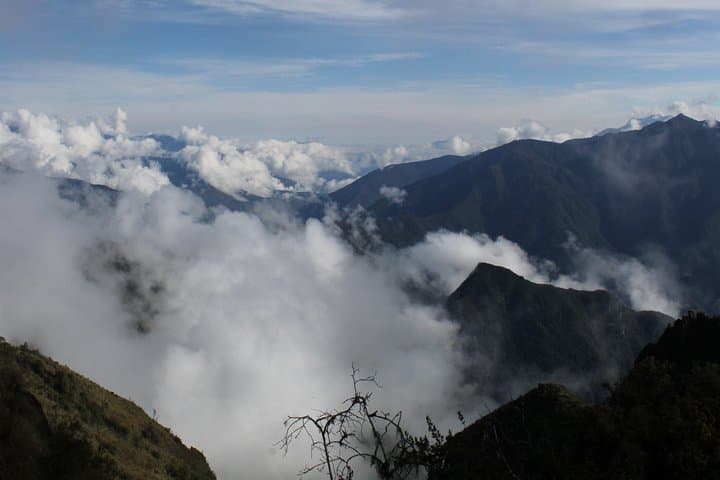
A crisp pre-dawn in the Andean highlands puts you on a narrow path where the world is reduced to breath, boots, and cloud. The trail climbs from the sacred valley at km 82, threads stone stairways and Inca-built causeways, and forces a steady rhythm that pays off at the Sun Gate when Machu Picchu appears below like a city waking.
Verified experiences and guided adventures in the surrounding area.
Operated by Inca Trail Specialist · Aguas Calientes, Cusco
A crisp pre-dawn in the Andean highlands puts you on a narrow path where the world is reduced to breath, boots, and cloud. The trail climbs from the sacred valley at km 82, threads stone stairways and Inca-built causeways, and forces a steady rhythm that pays off at the Sun Gate when Machu Picchu appears below like a city waking.
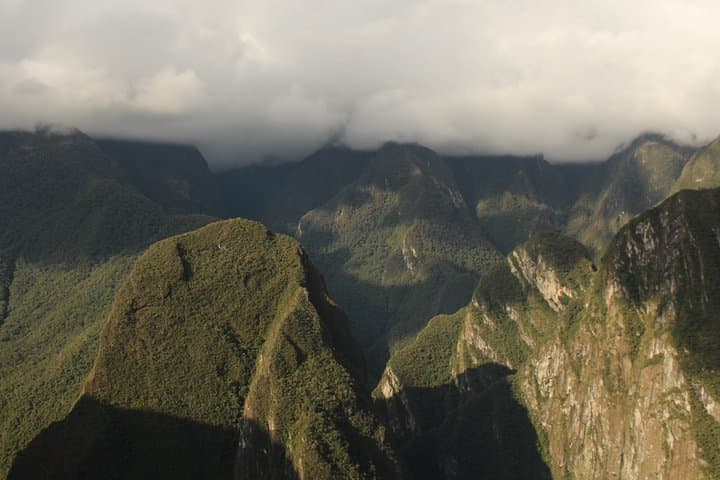
The route follows sections of an original Inca road network carved into volcanic slopes and limestone terraces. You pass high passes formed by glacial sculpting and wet temperate cloud forest that supports orchids and bromeliads. Along the way, small ruins—Llactapata, Runkurakay, Sayacmarca, Phuyupatamarca and Winay Wayna—reveal the trail’s role in pilgrimage, communication and control during the Inca empire.
Expect four days of hiking: roughly 45 km total with a high point at Dead Woman’s Pass (~4,215 m). Nights are spent in shared two-person tents while a porter team handles camp logistics and fresh meals; permits are checked at km 82 and are required in advance. Weather swings fast—sun to sleet is possible in a single day—so aim for a measured pace and drink frequently to manage altitude.
Practical moves: acclimatize in Cusco for 48–72 hours before departure, train on steep up-and-down hikes, and pack light with balanced layers. Good boots with secure ankle support, trekking poles for steep descents, and a rain shell will make the difference between merely finishing and moving through the trail confidently.
moderate.
4 days.
Suitable for hikers with consistent cardio fitness; regular hill training and long-day hikes beforehand are recommended
Yes. The Inca Trail requires a government permit that must be purchased in advance; spaces are strictly limited daily.
It is the highest and steepest section at about 4,215 m—expect long, sustained climbs and plan breaks and a slow pace to manage altitude.
Yes; organized expeditions include trained porters, communal camps, and three meals per day as described in the itinerary.
Communicate symptoms to guides immediately; common measures include slowing pace, descending to lower elevation and using oxygen or medication if available.
The Inca Trail was part of a vast imperial road system linking administrative centers, shrines and agricultural terraces that supported the Inca state; Machu Picchu was a ceremonial and administrative citadel.
Access is limited by permit quotas and regulated camping to reduce erosion and protect fragile cloud forest; adhere to Leave No Trace and local park rules.
Inca Trail Specialist operates guided outdoor trips and adventures with an emphasis on safety, stewardship, and memorable experiences.
A crisp pre-dawn in the Andean highlands puts you on a narrow path where the world is reduced to breath, boots, and cloud. The trail climbs from the sacred valley at km 82, threads stone stairways and Inca-built causeways, and forces a steady rhythm that pays off at the Sun Gate when Machu Picchu appears below like a city waking.
A crisp pre-dawn in the Andean highlands puts you on a narrow path where the world is reduced to breath, boots, and cloud. The trail climbs from the sacred valley at km 82, threads stone stairways and Inca-built causeways, and forces a steady rhythm that pays off at the Sun Gate when Machu Picchu appears below like a city waking.
The route follows sections of an original Inca road network carved into volcanic slopes and limestone terraces. You pass high passes formed by glacial sculpting and wet temperate cloud forest that supports orchids and bromeliads. Along the way, small ruins—Llactapata, Runkurakay, Sayacmarca, Phuyupatamarca and Winay Wayna—reveal the trail’s role in pilgrimage, communication and control during the Inca empire.
Expect four days of hiking: roughly 45 km total with a high point at Dead Woman’s Pass (~4,215 m). Nights are spent in shared two-person tents while a porter team handles camp logistics and fresh meals; permits are checked at km 82 and are required in advance. Weather swings fast—sun to sleet is possible in a single day—so aim for a measured pace and drink frequently to manage altitude.
Practical moves: acclimatize in Cusco for 48–72 hours before departure, train on steep up-and-down hikes, and pack light with balanced layers. Good boots with secure ankle support, trekking poles for steep descents, and a rain shell will make the difference between merely finishing and moving through the trail confidently.