THE ADVENTURE COLLECTIVE® · Independent discovery and booking for outdoor travel

An eight-day circuit from Cairo’s museum rooms and Giza’s pyramids to a five-star Nile cruise, Luxor’s tombs, and Abu Simbel by early flight. Expect early mornings, warm days, and a mix of classroom-level history with slow river time.
An eight-day circuit from Cairo’s museum rooms and Giza’s pyramids to a five-star Nile cruise, Luxor’s tombs, and Abu Simbel by early flight. Expect early mornings, warm days, and a mix of classroom-level history with slow river time.
At first light the Great Pyramid rims the horizon like an old watchman; the air tastes of sand and sun while the Nile, broad and patient, slips past the cruise tied to its bank.
Verified experiences and guided adventures in the surrounding area.
Operated by Nile Prince Travel · Cairo, Cairo Governorate
At first light the Great Pyramid rims the horizon like an old watchman; the air tastes of sand and sun while the Nile, broad and patient, slips past the cruise tied to its bank.
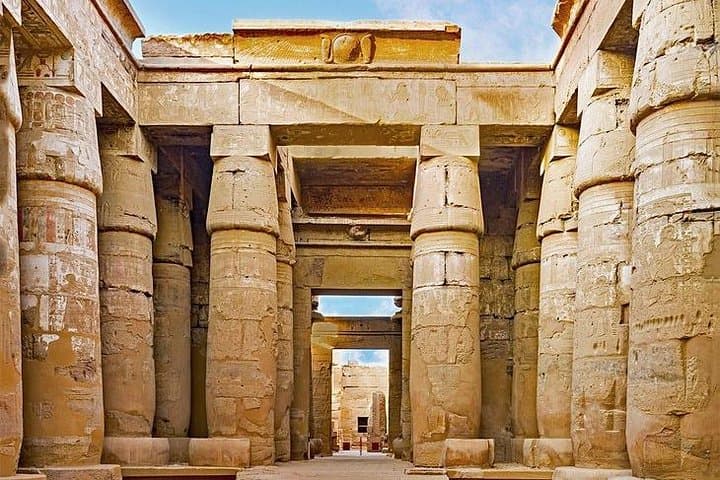
This eight-day loop threads modern Cairo with ancient Thebes and Nubian Aswan. Start in the bustling capital—museum halls dense with pharaonic gold—then fly to Luxor to stand beneath Karnak’s hypostyle forest and descend into the cool tombs of the Valley of the Kings. The Nile itself is geological history in motion: a ribbon of alluvium carving a green corridor through limestone and sandstone, its banks dotted by temples whose sandstone blocks have weathered millennia.
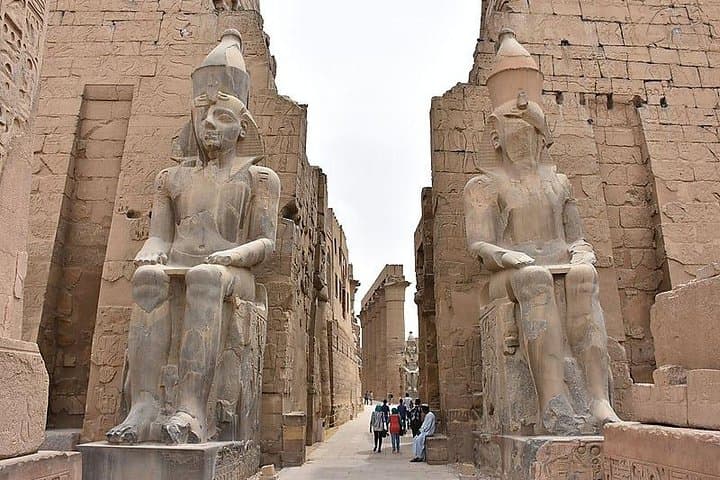
Cairo’s layers of history give way to quieter temple towns. Edfu’s Ptolemaic wall reliefs speak of Horus, Kom Ombo splits worship between crocodile and falcon gods, and Abu Simbel’s cut rock faces were moved during the twentieth century’s dam project—a modern engineering chapter in an ancient story. In Aswan, Nubian culture adds color: painted houses, feluccas tugging at current, and soft-spoken guides who make chronology feel immediate.
Practical edge: plan early starts to beat heat and crowds, carry a refillable bottle, and expect unpaved approaches at secondary sites. Hotel and cruise nights are included, domestic flights shorten transit, and most days mix short guided walks with longer, seated transfers. Footwear should be sturdy but breathable; layers handle cool desert mornings and hot afternoons. Bring local cash for tips, photocopies of documents, and a sense of patience—this is travel paced by monuments and the river that keeps nudging you forward.
easy.
8 days.
Basic mobility for short walks, steps, and some uneven terrain; not strenuous but expect uphill approaches and stairs in temples.
Yes—an early-morning balloon flight in Luxor is included as listed; expect a very early pickup and quick return to the cruise or hotel.
Domestic flights between Cairo and Luxor (or Aswan to Cairo) are included in the itinerary and coordinated by the operator.
Each day includes short to moderate guided walks around sites and stairs in temples and tombs, but the overall trip is paced with transfers and seated cruise time.
Most visitors require an Egyptian entry visa—check your nationality’s rules before travel and carry photocopies of passport and emergency contacts.
This route stitches Old Kingdom Giza with New Kingdom Thebes and the Ptolemaic-era temples along the Nile; Abu Simbel’s relocation in the 1960s is a modern conservation landmark.
The Nile cruise corridor faces pressure from tourism and development—choose operators who limit single-use plastics and support local conservation initiatives.
Nile Prince Travel operates guided outdoor trips and adventures with an emphasis on safety, stewardship, and memorable experiences.
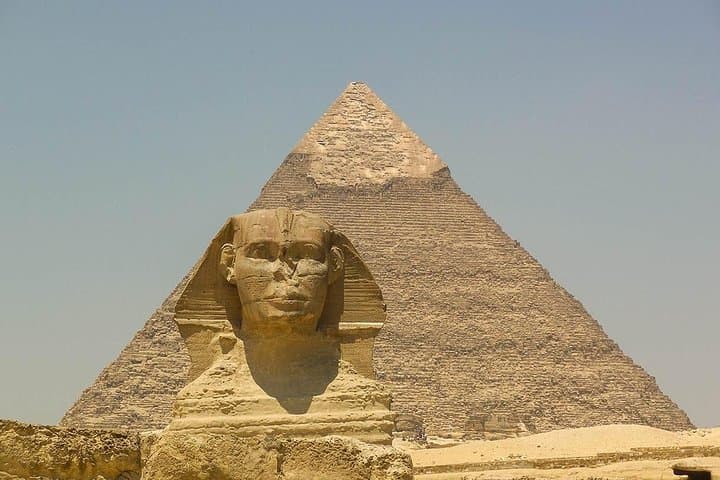
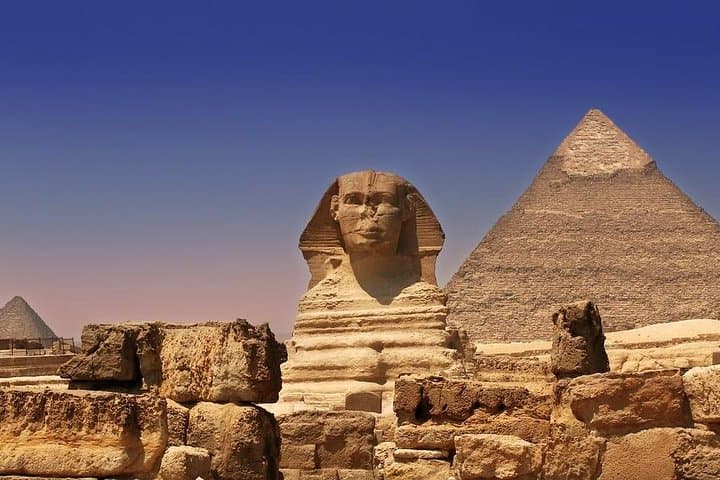
At first light the Great Pyramid rims the horizon like an old watchman; the air tastes of sand and sun while the Nile, broad and patient, slips past the cruise tied to its bank.
At first light the Great Pyramid rims the horizon like an old watchman; the air tastes of sand and sun while the Nile, broad and patient, slips past the cruise tied to its bank.
This eight-day loop threads modern Cairo with ancient Thebes and Nubian Aswan. Start in the bustling capital—museum halls dense with pharaonic gold—then fly to Luxor to stand beneath Karnak’s hypostyle forest and descend into the cool tombs of the Valley of the Kings. The Nile itself is geological history in motion: a ribbon of alluvium carving a green corridor through limestone and sandstone, its banks dotted by temples whose sandstone blocks have weathered millennia.
Cairo’s layers of history give way to quieter temple towns. Edfu’s Ptolemaic wall reliefs speak of Horus, Kom Ombo splits worship between crocodile and falcon gods, and Abu Simbel’s cut rock faces were moved during the twentieth century’s dam project—a modern engineering chapter in an ancient story. In Aswan, Nubian culture adds color: painted houses, feluccas tugging at current, and soft-spoken guides who make chronology feel immediate.
Practical edge: plan early starts to beat heat and crowds, carry a refillable bottle, and expect unpaved approaches at secondary sites. Hotel and cruise nights are included, domestic flights shorten transit, and most days mix short guided walks with longer, seated transfers. Footwear should be sturdy but breathable; layers handle cool desert mornings and hot afternoons. Bring local cash for tips, photocopies of documents, and a sense of patience—this is travel paced by monuments and the river that keeps nudging you forward.