THE ADVENTURE COLLECTIVE® · Independent discovery and booking for outdoor travel

Explore Dubai’s historic heart on a 4–5 hour private tour that moves from Al Fahidi’s wind‑tower lanes to the bustling Spice and Gold Souks and a short abra ride across Dubai Creek. This compact cultural route pairs urban history with hands‑on market life.
Explore Dubai’s historic heart on a 4–5 hour private tour that moves from Al Fahidi’s wind‑tower lanes to the bustling Spice and Gold Souks and a short abra ride across Dubai Creek. This compact cultural route pairs urban history with hands‑on market life.
The morning air over Dubai Creek has a citrus-heat to it; wooden dhows cut through glassy water while the city’s older facades sit back from the modern skyline, watching the day begin. Step out of an air‑conditioned vehicle into narrow lanes where wind‑towers throw long, cooling shadows and the scent of cardamom and dried lime threads through the souks.
Verified experiences and guided adventures in the surrounding area.
Operated by Travel dubai · Dubai, Dubai
The morning air over Dubai Creek has a citrus-heat to it; wooden dhows cut through glassy water while the city’s older facades sit back from the modern skyline, watching the day begin. Step out of an air‑conditioned vehicle into narrow lanes where wind‑towers throw long, cooling shadows and the scent of cardamom and dried lime threads through the souks.
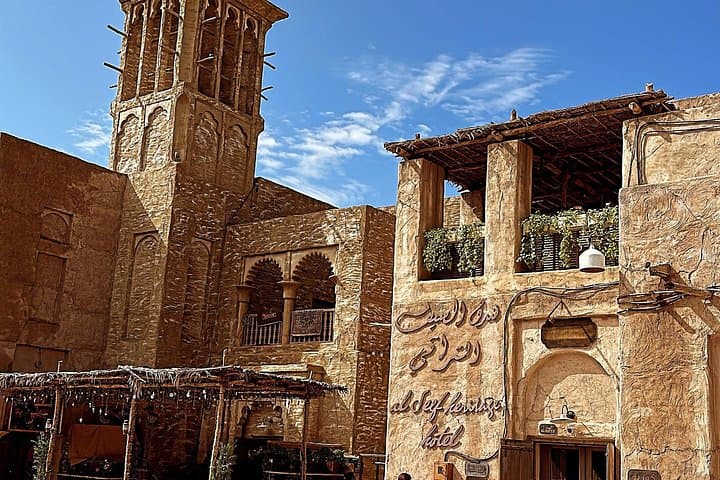
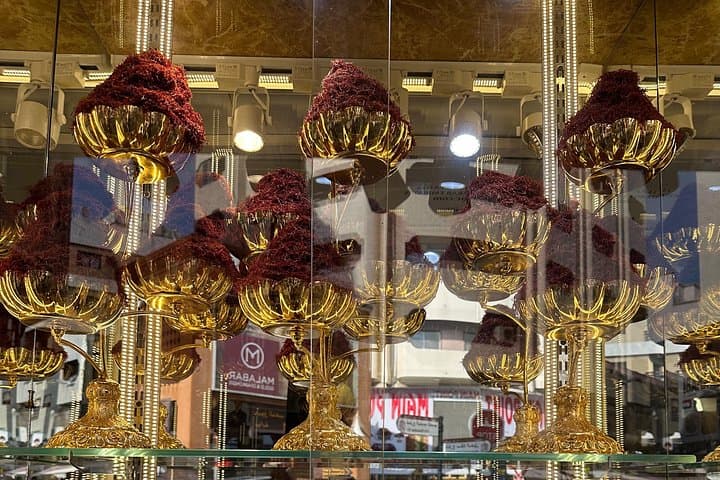
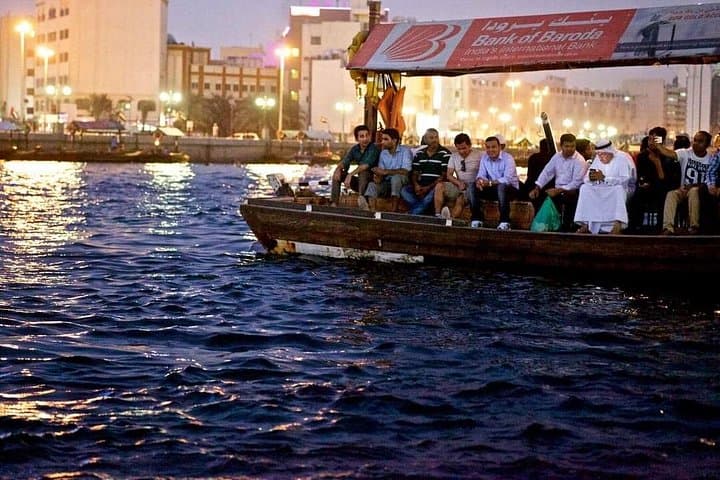
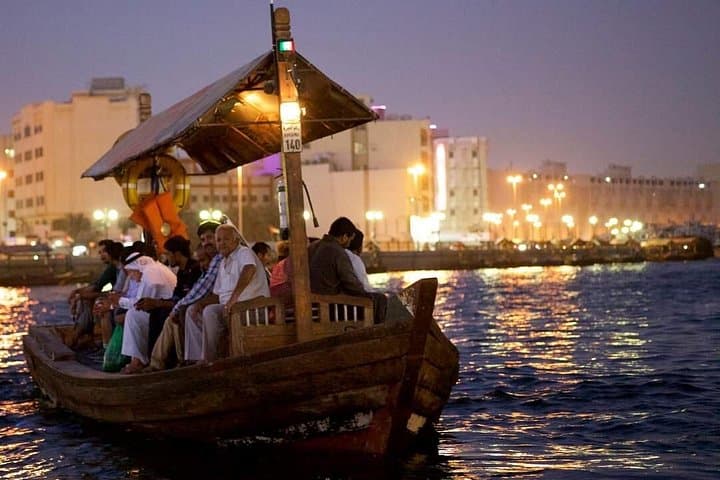
This 4–5 hour private tour focuses on Old Dubai — Al Fahidi’s coral-and-gypsum houses, the working creek that founded the emirate’s pearling and trading economy, and the markets that still move spices, gold, and stories. Ride a traditional abra between Bur Dubai and Deira; the creek dares you to slow down and notice the layers of history stacked along its banks. Stop at Souk Al Seef for restored heritage architecture beside contemporary cafés, then cross into the narrow alleys of the Spice and Gold souks where merchants handle saffron and 22‑carat bracelets with practiced care.
Culturally, the area reveals Dubai before the towers: modest trading houses, community courtyards, and institutions like the Sheikh Mohammed Centre for Cultural Understanding that open conversation about local customs. Geologically, the creek is a tidal inlet that shaped settlement patterns and remains the city’s working waterfront.
Practical guidance: wear comfortable, closed-toe shoes for uneven paving, carry cash and small change for abra fares and haggling, and bring sun protection — shade is limited on souk streets. Expect intermittent walking with short guided stops; bring a camera and a phone charger. If visiting during Ramadan or on a Friday, plan timing around prayer hours and reduced shop activity.
easy.
4–5 hours.
Minimal fitness required; you should be comfortable walking on uneven pavements and standing for short periods.
Most private bookings include pickup from central Dubai hotels—confirm your pickup point when booking and allow time for traffic.
The traditional abra crossing is a short, scenic trip—usually 5–10 minutes—linking Bur Dubai and Deira across the creek.
Infants can join and strollers are accessible in many areas, but expect uneven surfaces in older lanes and limited ramp access in some souk alleys.
Some itineraries include entrance to select sites; confirm specific museum admissions when booking since inclusions can vary.
Dubai Creek was the city’s original harbor and pearling base; Al Fahidi’s wind‑towers and coral-built houses reflect pre‑oil urban life and Gulf trading architecture.
Heritage conservation projects maintain restored buildings along the creek while local clean-up and water-quality efforts aim to reduce pollution; visitors can help by avoiding litter and supporting local conservation initiatives.
Travel dubai operates guided outdoor trips and adventures with an emphasis on safety, stewardship, and memorable experiences.
The morning air over Dubai Creek has a citrus-heat to it; wooden dhows cut through glassy water while the city’s older facades sit back from the modern skyline, watching the day begin. Step out of an air‑conditioned vehicle into narrow lanes where wind‑towers throw long, cooling shadows and the scent of cardamom and dried lime threads through the souks.
The morning air over Dubai Creek has a citrus-heat to it; wooden dhows cut through glassy water while the city’s older facades sit back from the modern skyline, watching the day begin. Step out of an air‑conditioned vehicle into narrow lanes where wind‑towers throw long, cooling shadows and the scent of cardamom and dried lime threads through the souks.
This 4–5 hour private tour focuses on Old Dubai — Al Fahidi’s coral-and-gypsum houses, the working creek that founded the emirate’s pearling and trading economy, and the markets that still move spices, gold, and stories. Ride a traditional abra between Bur Dubai and Deira; the creek dares you to slow down and notice the layers of history stacked along its banks. Stop at Souk Al Seef for restored heritage architecture beside contemporary cafés, then cross into the narrow alleys of the Spice and Gold souks where merchants handle saffron and 22‑carat bracelets with practiced care.
Culturally, the area reveals Dubai before the towers: modest trading houses, community courtyards, and institutions like the Sheikh Mohammed Centre for Cultural Understanding that open conversation about local customs. Geologically, the creek is a tidal inlet that shaped settlement patterns and remains the city’s working waterfront.
Practical guidance: wear comfortable, closed-toe shoes for uneven paving, carry cash and small change for abra fares and haggling, and bring sun protection — shade is limited on souk streets. Expect intermittent walking with short guided stops; bring a camera and a phone charger. If visiting during Ramadan or on a Friday, plan timing around prayer hours and reduced shop activity.