THE ADVENTURE COLLECTIVE® · Independent discovery and booking for outdoor travel

Spend a day moving through Cappadocia’s sculpted rocks, pottery towns, and rock-cut churches on a guided full-day loop from Göreme. This Classic Cappadocia Tour covers Paşabağı, Devrent, Avanos, the Göreme Open Air Museum and Uçhisar with practical stops and a local lunch.
Spend a day moving through Cappadocia’s sculpted rocks, pottery towns, and rock-cut churches on a guided full-day loop from Göreme. This Classic Cappadocia Tour covers Paşabağı, Devrent, Avanos, the Göreme Open Air Museum and Uçhisar with practical stops and a local lunch.
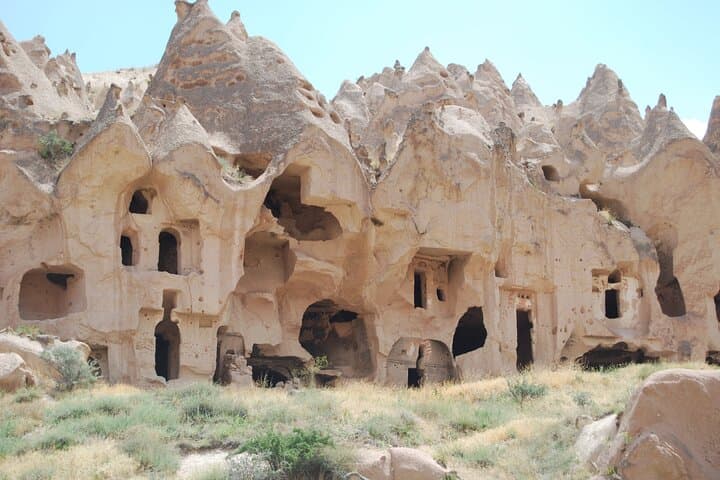
Morning light pours over an alien plain as a small bus threads a ribbon of road into Göreme. The group steps out, breath catching at the first line of fairy chimneys—mushroom-shaped pillars of tuff that the wind has been sculpting for millennia. A guide unfolds the day's map: Paşabağı, Devrent Valley, Avanos for pottery, the Göreme Open Air Museum, and the high viewpoint at Uçhisar. The day moves at a steady pace, equal parts geology lesson, cultural stop, and photo run.
Verified experiences and guided adventures in the surrounding area.
Operated by Gezenthi Travel Agency · Göreme, Nevşehir Province
Morning light pours over an alien plain as a small bus threads a ribbon of road into Göreme. The group steps out, breath catching at the first line of fairy chimneys—mushroom-shaped pillars of tuff that the wind has been sculpting for millennia. A guide unfolds the day's map: Paşabağı, Devrent Valley, Avanos for pottery, the Göreme Open Air Museum, and the high viewpoint at Uçhisar. The day moves at a steady pace, equal parts geology lesson, cultural stop, and photo run.
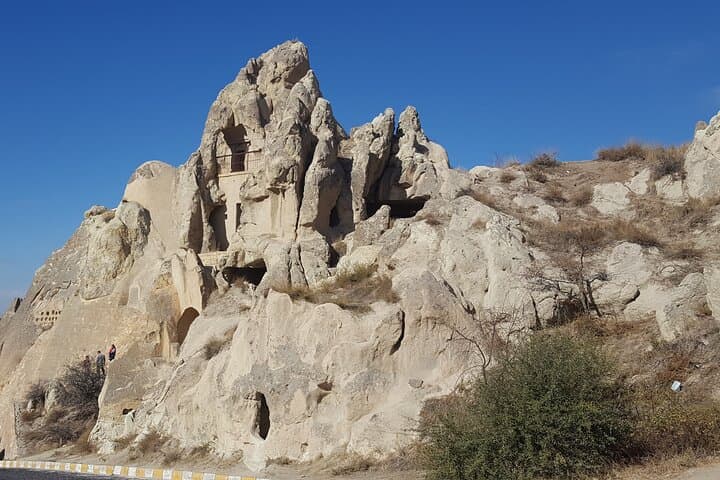
Cappadocia's landscape is the product of volcanic eruptions 2–3 million years ago. Layers of ash compressed into soft tuff were later carved by wind and rain into the pinnacles and ridges that define the region. Human history here is layered too: troglodyte dwellings, Byzantine churches with frescoes, and centuries of pottery making where the red river clay still smells of earth and salt.
Avanos is where the practical craft of the region survives: wheel-thrown pottery demonstrations show techniques that have been refined since Hittite and Phrygian eras. The Göreme Open Air Museum concentrates rock-cut churches with frescoes dating from the 10th to 13th centuries—watch the guide point out iconography and restoration work, and allow 60–90 minutes to take in the best-preserved chapels.
For hikers and casual walkers the terrain is forgiving but varied: short paved stretches at the Open Air Museum, gravel and sand in Devrent, and stair-stepped climbs to Uçhisar Castle, the highest vantage in the valley at roughly 1,200–1,300 meters above sea level. Expect multiple short walks of a few hundred meters to one kilometer at stops—nothing long-distance, but uneven surfaces and carved stairways demand steady shoes and a measured pace.
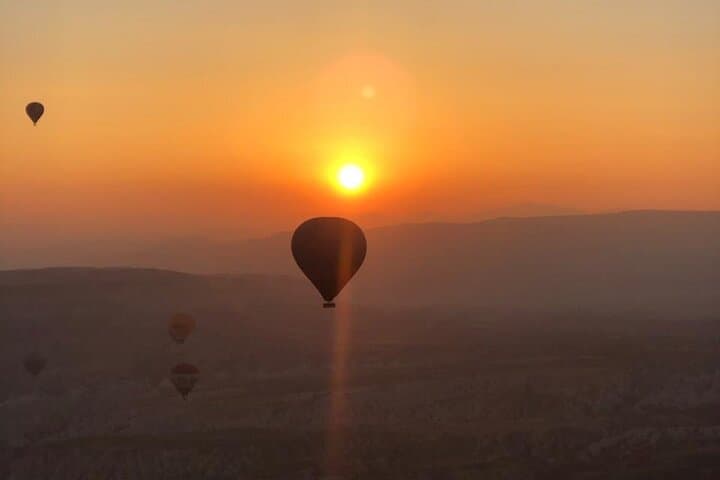
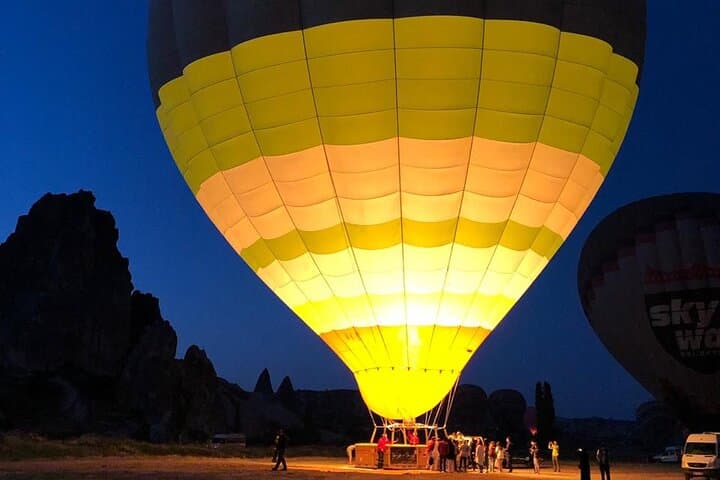
Practical edge: book early-morning pickups to avoid the heat and balloon congestion; midweek tours will be quieter. The operator provides air-conditioned transport and lunch in Avanos; bring water, sun protection, and a light layer—evenings at altitude can cool quickly. Photography is best in the hour after sunrise or the last hour before sunset when shadows accentuate geological forms.
This Classic Cappadocia Tour compresses a lot into eight hours, balancing accessible walks with time for photography, pottery demos, and interpretive stops. It’s an efficient primer for first-time visitors and a reliable route to the highlights if your itinerary is tight. Pace yourself, bring comfortable footwear, and allow an extra morning or afternoon to explore lesser-known valleys if your schedule allows.
easy.
8 hours.
Suitable for travelers in average physical condition who can walk short uneven stretches and climb stairs.
The tour runs about 8 hours, typically with hotel pickup in the morning and return around 17:30.
Yes; the tour includes admission to the Göreme Open Air Museum and other paid sites listed in the itinerary.
Yes—infants must sit on an adult’s lap; the tour is suitable for a wide range of ages but not recommended for pregnant travelers.
Yes—lunch in Avanos includes a pottery workshop demonstration and time to visit local artisan shops.
Terrain varies from paved museum paths to loose gravel and carved steps; it’s rated easy but requires stable footwear.
Guides typically speak English; confirm language preferences at booking if you need another language.
Cappadocia was shaped by volcanic ash and eroded tuff; early Christians carved monastic complexes and churches into the soft rock between the 4th and 13th centuries.
Visitor pressure on fragile frescoes and soft tuff is monitored; stay on marked paths and avoid touching rock art to reduce wear and erosion.
Gezenthi Travel Agency operates guided outdoor trips and adventures with an emphasis on safety, stewardship, and memorable experiences.
Morning light pours over an alien plain as a small bus threads a ribbon of road into Göreme. The group steps out, breath catching at the first line of fairy chimneys—mushroom-shaped pillars of tuff that the wind has been sculpting for millennia. A guide unfolds the day's map: Paşabağı, Devrent Valley, Avanos for pottery, the Göreme Open Air Museum, and the high viewpoint at Uçhisar. The day moves at a steady pace, equal parts geology lesson, cultural stop, and photo run.
Morning light pours over an alien plain as a small bus threads a ribbon of road into Göreme. The group steps out, breath catching at the first line of fairy chimneys—mushroom-shaped pillars of tuff that the wind has been sculpting for millennia. A guide unfolds the day's map: Paşabağı, Devrent Valley, Avanos for pottery, the Göreme Open Air Museum, and the high viewpoint at Uçhisar. The day moves at a steady pace, equal parts geology lesson, cultural stop, and photo run.
Cappadocia's landscape is the product of volcanic eruptions 2–3 million years ago. Layers of ash compressed into soft tuff were later carved by wind and rain into the pinnacles and ridges that define the region. Human history here is layered too: troglodyte dwellings, Byzantine churches with frescoes, and centuries of pottery making where the red river clay still smells of earth and salt.
Avanos is where the practical craft of the region survives: wheel-thrown pottery demonstrations show techniques that have been refined since Hittite and Phrygian eras. The Göreme Open Air Museum concentrates rock-cut churches with frescoes dating from the 10th to 13th centuries—watch the guide point out iconography and restoration work, and allow 60–90 minutes to take in the best-preserved chapels.
For hikers and casual walkers the terrain is forgiving but varied: short paved stretches at the Open Air Museum, gravel and sand in Devrent, and stair-stepped climbs to Uçhisar Castle, the highest vantage in the valley at roughly 1,200–1,300 meters above sea level. Expect multiple short walks of a few hundred meters to one kilometer at stops—nothing long-distance, but uneven surfaces and carved stairways demand steady shoes and a measured pace.
Practical edge: book early-morning pickups to avoid the heat and balloon congestion; midweek tours will be quieter. The operator provides air-conditioned transport and lunch in Avanos; bring water, sun protection, and a light layer—evenings at altitude can cool quickly. Photography is best in the hour after sunrise or the last hour before sunset when shadows accentuate geological forms.
This Classic Cappadocia Tour compresses a lot into eight hours, balancing accessible walks with time for photography, pottery demos, and interpretive stops. It’s an efficient primer for first-time visitors and a reliable route to the highlights if your itinerary is tight. Pace yourself, bring comfortable footwear, and allow an extra morning or afternoon to explore lesser-known valleys if your schedule allows.