THE ADVENTURE COLLECTIVE® · Independent discovery and booking for outdoor travel

A full-day private transfer from Port Said to Cairo that pairs up-close time at the Pyramids of Giza and Sphinx with a visit to the National Archaeological Museum—ideal for travelers who want an efficient, high-impact introduction to Egypt’s ancient capital.
A full-day private transfer from Port Said to Cairo that pairs up-close time at the Pyramids of Giza and Sphinx with a visit to the National Archaeological Museum—ideal for travelers who want an efficient, high-impact introduction to Egypt’s ancient capital.
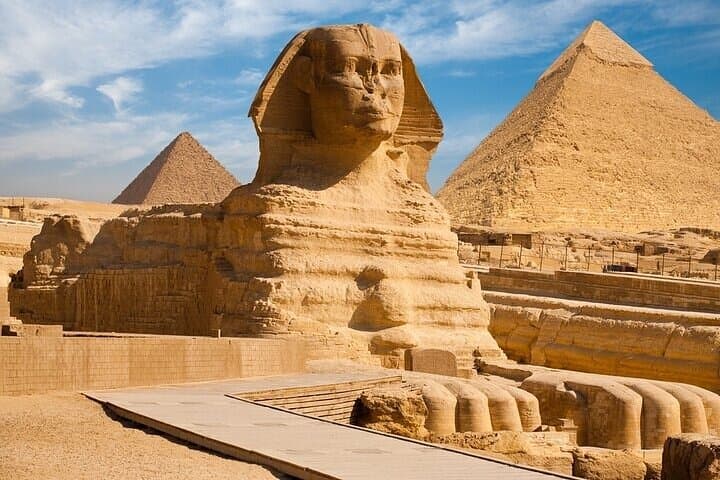
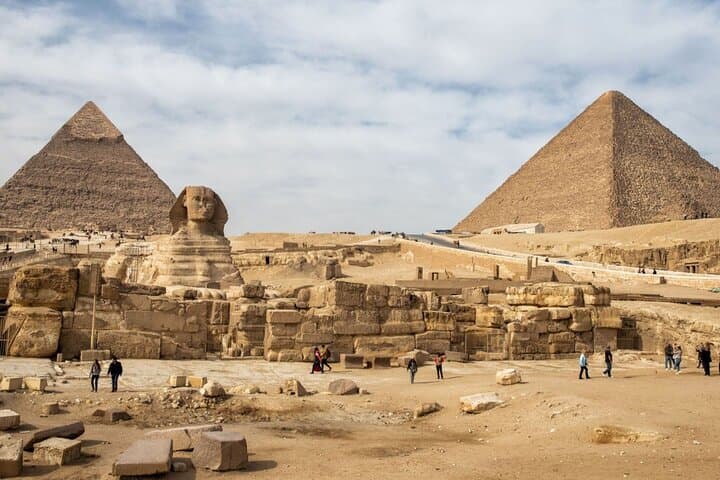
The road from Port Said unwinds into the heat-hazed suburbs of Greater Cairo, and by midmorning the Giza Plateau rises into view—stone giants hovering over the city like a geological memory. The Western Plateau offers a wide-angle stage: the three great pyramids cut stark silhouettes against a pale sky while vendors arrange camels and postcards along the approach.
Verified experiences and guided adventures in the surrounding area.
Operated by NORTH AFRICAN SHIPPING AND TOURISM COMPANY (NASCO TOURS) · Giza, Cairo Governorate
The road from Port Said unwinds into the heat-hazed suburbs of Greater Cairo, and by midmorning the Giza Plateau rises into view—stone giants hovering over the city like a geological memory. The Western Plateau offers a wide-angle stage: the three great pyramids cut stark silhouettes against a pale sky while vendors arrange camels and postcards along the approach.
These monuments are both archaeology and accident of geology: quarried limestone laid down millions of years ago, raised into architectural ambition by a civilization calibrated to the stars. Chephren’s steeper casing and the Sphinx’s carved face speak of kingship and ritual, while the National Archaeological Museum in downtown Cairo frames millennia of domestic life, funerary practice and imperial contact zones.
Local culture here is immediate—street cafés pour mint tea, drivers navigate with practiced impatience, and stray cats patrol museum thresholds. History is tactile: you’ll stand within sightlines planned to align with the Nile’s life-giving sweep and observe artifacts preserved from tombs that outlasted empires.
Practical guidance: this is a full 12‑hour day in an air‑conditioned minivan; expect walking on uneven stone and sandy approaches at Giza, plus museum floors. Carry sun protection, a reusable water bottle, photocopies of travel documents and modest clothing for museum and urban sites. Timing matters—arrive early to avoid the noon glare and heavier crowds. The tour returns to Port Said by evening, leaving you with clear, immediate impressions of Egypt’s most enduring landscapes and the people who live among them.
easy.
12 hours.
Suitable for travelers in average physical condition; involves several short walks and standing periods.
Travel time is roughly 2–3 hours each way depending on traffic; the full tour runs about 12 hours including visits and lunch.
The itinerary notes museum and Giza visits with admissions included where specified—confirm with the operator for any optional extras like entering the Great Pyramid interior.
Yes; the tour is listed as suitable for all fitness levels and can accommodate infants with seats on request, but prepare for long days and sun exposure.
Carry your passport, cruise boarding information, and any booking confirmations; guides typically request passport details for ticketing.
The Pyramids date to Egypt’s Old Kingdom (c. 2600–2500 BCE); Cairo itself grew as a medieval capital blending Fatimid, Ottoman and modern influences.
Heavy visitation stresses ancient stone and museum collections—use marked paths, avoid touching monuments, and support licensed guides who follow preservation rules.
NORTH AFRICAN SHIPPING AND TOURISM COMPANY (NASCO TOURS) operates guided outdoor trips and adventures with an emphasis on safety, stewardship, and memorable experiences.


The road from Port Said unwinds into the heat-hazed suburbs of Greater Cairo, and by midmorning the Giza Plateau rises into view—stone giants hovering over the city like a geological memory. The Western Plateau offers a wide-angle stage: the three great pyramids cut stark silhouettes against a pale sky while vendors arrange camels and postcards along the approach.
The road from Port Said unwinds into the heat-hazed suburbs of Greater Cairo, and by midmorning the Giza Plateau rises into view—stone giants hovering over the city like a geological memory. The Western Plateau offers a wide-angle stage: the three great pyramids cut stark silhouettes against a pale sky while vendors arrange camels and postcards along the approach.
These monuments are both archaeology and accident of geology: quarried limestone laid down millions of years ago, raised into architectural ambition by a civilization calibrated to the stars. Chephren’s steeper casing and the Sphinx’s carved face speak of kingship and ritual, while the National Archaeological Museum in downtown Cairo frames millennia of domestic life, funerary practice and imperial contact zones.
Local culture here is immediate—street cafés pour mint tea, drivers navigate with practiced impatience, and stray cats patrol museum thresholds. History is tactile: you’ll stand within sightlines planned to align with the Nile’s life-giving sweep and observe artifacts preserved from tombs that outlasted empires.
Practical guidance: this is a full 12‑hour day in an air‑conditioned minivan; expect walking on uneven stone and sandy approaches at Giza, plus museum floors. Carry sun protection, a reusable water bottle, photocopies of travel documents and modest clothing for museum and urban sites. Timing matters—arrive early to avoid the noon glare and heavier crowds. The tour returns to Port Said by evening, leaving you with clear, immediate impressions of Egypt’s most enduring landscapes and the people who live among them.