THE ADVENTURE COLLECTIVE® · Independent discovery and booking for outdoor travel

Nine days of sweeping gorges, Ottoman bazaars and UNESCO sites across Albania and Kosovo. This private itinerary mixes rugged coastal drives, a dramatic Koman Lake ferry and layered medieval history — ideal for travelers who want culture, scenery and easy-paced exploration.
Nine days of sweeping gorges, Ottoman bazaars and UNESCO sites across Albania and Kosovo. This private itinerary mixes rugged coastal drives, a dramatic Koman Lake ferry and layered medieval history — ideal for travelers who want culture, scenery and easy-paced exploration.
You step out of Tirana’s airport into a bright, brisk Balkan morning and the road already begins to tell its story: mountains grinding skyward, rivers that cut and push through limestone, and villages that keep centuries of religious architecture in plain sight.
Verified experiences and guided adventures in the surrounding area.
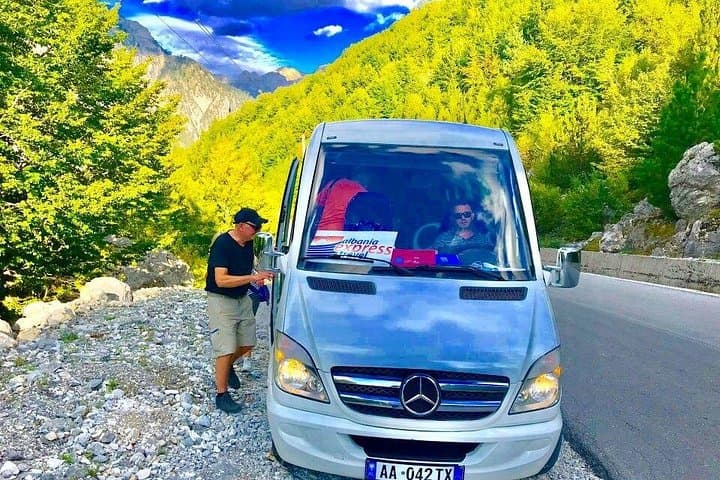
Operated by Albania Express Travel · Tirana, Tirana County
You step out of Tirana’s airport into a bright, brisk Balkan morning and the road already begins to tell its story: mountains grinding skyward, rivers that cut and push through limestone, and villages that keep centuries of religious architecture in plain sight.
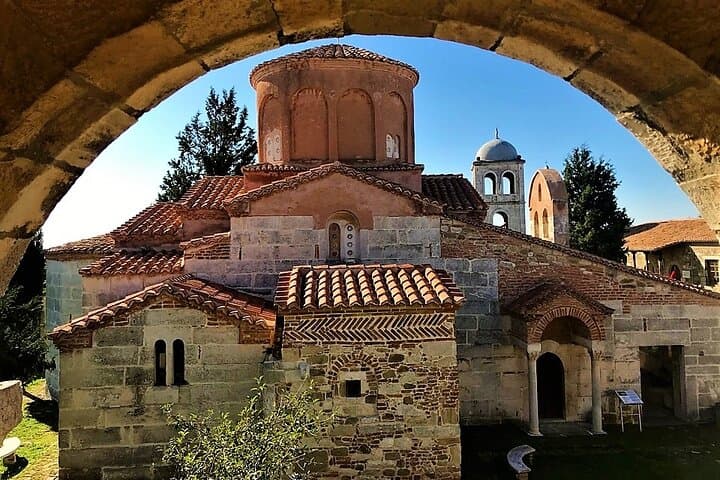
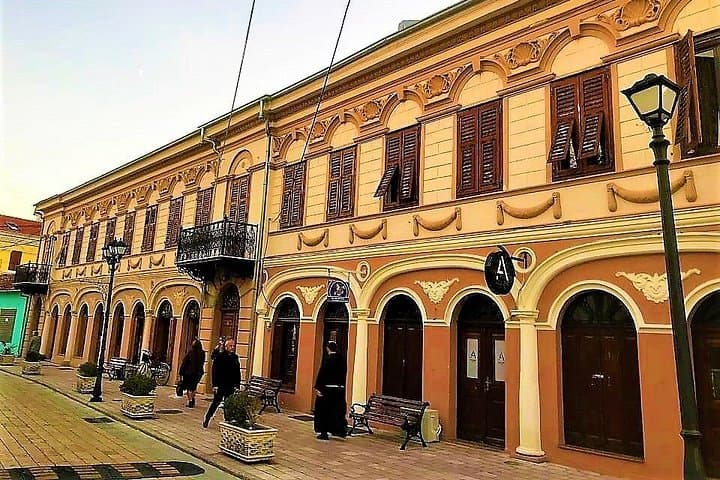
This nine-day private tour threads between capitals and countryside — Tirana’s Skanderbeg Square and Bunk’Art bunkers, Kruja’s fortress and Ottoman bazaar, the medieval layers of Prizren and the frescoed chapels of Gračanica and Dečani — alongside dramatic natural passages like Rugova Gorge and the Koman Lake ferry, whose opal-green waters feel like a northern fjord carved deep into Albania’s interior.
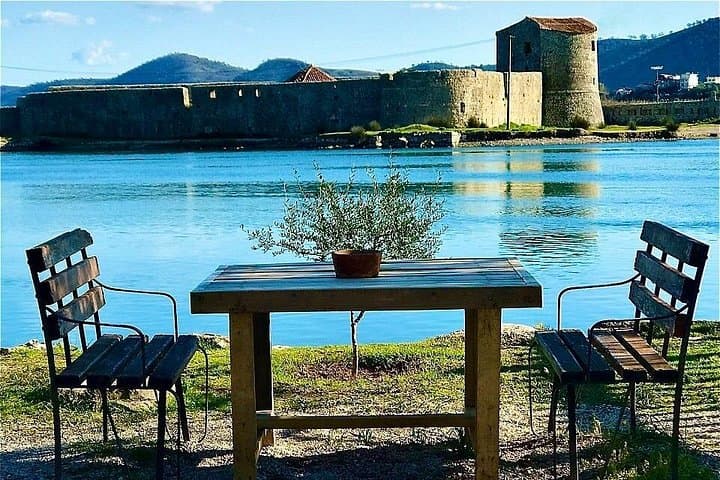
Geology here is active in memory: the Ceraunian range drops suddenly to the Ionian coast, while the Drin River’s reservoirs have re-shaped valleys into narrow water corridors. Culture is visible at every turn — Byzantine mosaics, Ottoman hammams, Illyrian ruins and 20th-century monuments — and local life remains refreshingly uncrowded.
Practical guidance: plan comfortable walking shoes for cobbled streets and short trails in Rugova and Gjirokastër; pack modest clothing for monastery and mosque visits; expect a mix of lek and euro across borders; carry a small supply of cash for bazaar purchases. Ferry timetables (Koman) can change with weather, so keep flexible. Spring and autumn offer the best light and cooler driving, summer brings long seaside hours, winter closes some mountain passes.
The route rewards those who want history and landscape in equal measure — move steadily, photograph intentionally, and leave room to taste local raki and fresh coastal seafood.
moderate.
9 days.
Suitable for travelers with basic fitness: comfortable walking for 1–3 hours most days and short, uneven trails; no long technical hikes.
Citizens of many countries travel visa-free to Albania; Kosovo’s entry rules vary—check both countries’ visa requirements for your nationality and carry passport pages for border controls.
The itinerary is rated easy-to-moderate: mostly cultural walking, short scenic hikes and transfers by air-conditioned vehicle; no technical mountaineering is required.
Albania uses the lek; Kosovo commonly uses the euro. ATMs are available in larger towns but cash is useful in rural bazaars and small vendors.
Ferry vessels and piers can be rustic; accessibility varies and boarding may require steps — contact the operator ahead to confirm accommodations.
The route crosses layers of Illyrian, Greek and Roman influence, later shaped by Byzantine and Ottoman rule; 19th–20th century nationalism and 1990s conflicts also marked the region’s modern identity.
Protected sites like Llogara National Park and the Blue Eye are sensitive to foot traffic; stick to marked paths, avoid single-use plastics and respect restricted zones at archaeological sites.
Albania Express Travel operates guided outdoor trips and adventures with an emphasis on safety, stewardship, and memorable experiences.
You step out of Tirana’s airport into a bright, brisk Balkan morning and the road already begins to tell its story: mountains grinding skyward, rivers that cut and push through limestone, and villages that keep centuries of religious architecture in plain sight.
You step out of Tirana’s airport into a bright, brisk Balkan morning and the road already begins to tell its story: mountains grinding skyward, rivers that cut and push through limestone, and villages that keep centuries of religious architecture in plain sight.
This nine-day private tour threads between capitals and countryside — Tirana’s Skanderbeg Square and Bunk’Art bunkers, Kruja’s fortress and Ottoman bazaar, the medieval layers of Prizren and the frescoed chapels of Gračanica and Dečani — alongside dramatic natural passages like Rugova Gorge and the Koman Lake ferry, whose opal-green waters feel like a northern fjord carved deep into Albania’s interior.
Geology here is active in memory: the Ceraunian range drops suddenly to the Ionian coast, while the Drin River’s reservoirs have re-shaped valleys into narrow water corridors. Culture is visible at every turn — Byzantine mosaics, Ottoman hammams, Illyrian ruins and 20th-century monuments — and local life remains refreshingly uncrowded.
Practical guidance: plan comfortable walking shoes for cobbled streets and short trails in Rugova and Gjirokastër; pack modest clothing for monastery and mosque visits; expect a mix of lek and euro across borders; carry a small supply of cash for bazaar purchases. Ferry timetables (Koman) can change with weather, so keep flexible. Spring and autumn offer the best light and cooler driving, summer brings long seaside hours, winter closes some mountain passes.
The route rewards those who want history and landscape in equal measure — move steadily, photograph intentionally, and leave room to taste local raki and fresh coastal seafood.