THE ADVENTURE COLLECTIVE® · Independent discovery and booking for outdoor travel

An eight-day, expertly guided loop from Cusco through the Sacred Valley and the original Inca Trail to Machu Picchu. Expect high passes, cloud-forest biodiversity, and centuries-old ruins punctuating long days on stone steps.
An eight-day, expertly guided loop from Cusco through the Sacred Valley and the original Inca Trail to Machu Picchu. Expect high passes, cloud-forest biodiversity, and centuries-old ruins punctuating long days on stone steps.
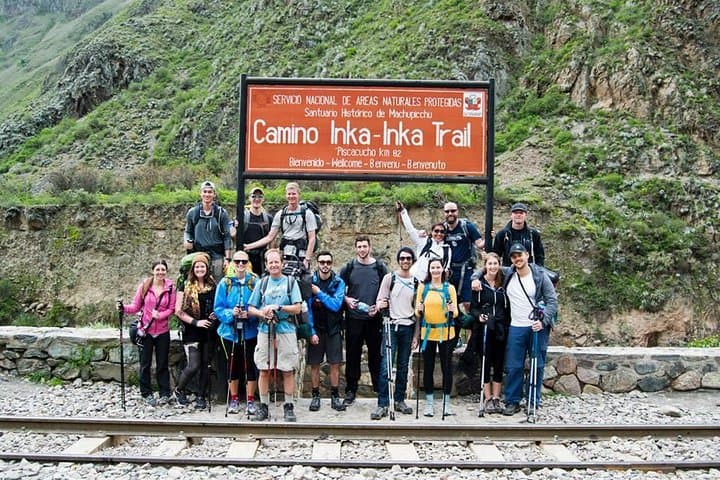
Dawn in Cusco feels thin and electric; the high plaza exhales cool air as guides check packs and porters sort sleeping tents. By midmorning the van threads the Sacred Valley, and at Km 82 the stone-paved Inca Trail reaches upward — a stairway of history that pushes through cloud forest, alpine scrub and terraces carved into steep Andes.
Verified experiences and guided adventures in the surrounding area.
Operated by Inkayni Peru Tours · Cusco, Cusco Region
Dawn in Cusco feels thin and electric; the high plaza exhales cool air as guides check packs and porters sort sleeping tents. By midmorning the van threads the Sacred Valley, and at Km 82 the stone-paved Inca Trail reaches upward — a stairway of history that pushes through cloud forest, alpine scrub and terraces carved into steep Andes.
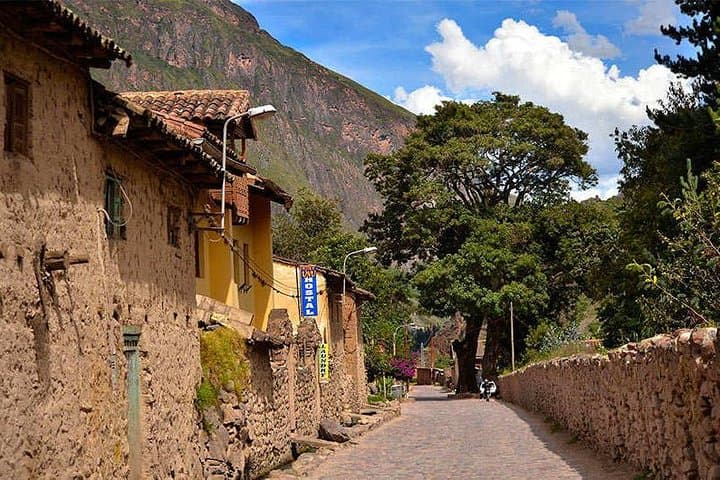
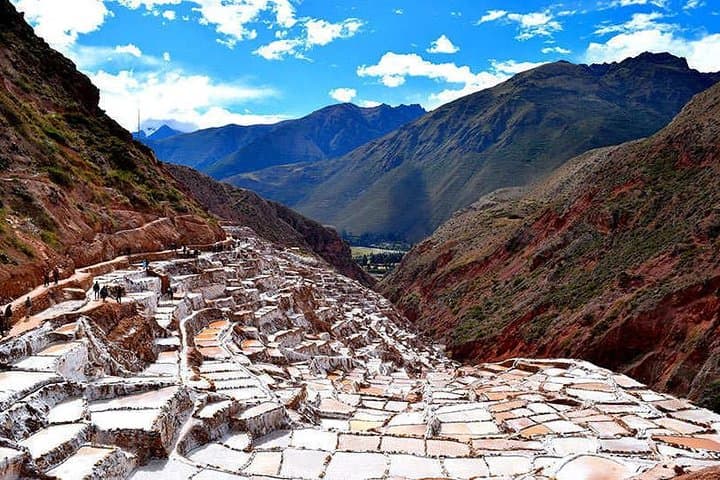
The route itself is history underfoot: Inca tambos, agricultural terraces and the amphitheater-like bowl of Moray reveal a civilization that engineered microclimates. Geology here is equally direct — volcanic and sedimentary layers folded into sharp ridgelines, with steep drainage cutting valleys where rivers dare you with sudden crossings. Local Quechua communities around Maras still harvest salt from terraced pools, and textiles remain a living craft you’ll see in Chinchero and Cusco.
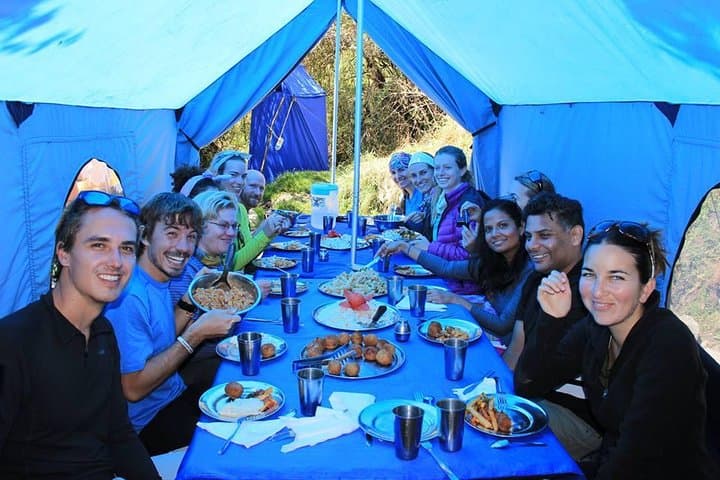
Practically, this is a demanding multi-day trek: expect long ascents (the high point is Warmihuañusca/Dead Woman’s Pass at 4,215 m), uneven stone steps, and wet-to-dry microclimates as you drop into the cloud forest toward Wiñayhuayna and Inti Punku (Sun Gate). Permits cap daily walkers and passports are required for entry; trained guides and a support crew manage camps, food and logistics.
Plan for layered clothing, purposeful acclimatization in Cusco, and conservative pacing on high climbs. Hydrate early, use sun protection, and consider a porter to preserve energy for the archaeological highlights and that early-morning walk to sunrise over Machu Picchu — the payoff is both cinematic and archaeologically rich.
challenging.
8 days.
Good aerobic fitness with experience on long uphill hikes and ability to carry a daypack at altitude
Yes—permits are limited and tied to guided groups; book well in advance, especially for June–August peak season.
Warmihuañusca (Dead Woman’s Pass) at about 4,215 m is the highest and most strenuous section with steep switchbacks and thin air.
Support staff carry group equipment; hiring a personal porter for your personal gear is strongly recommended to conserve energy.
Possibly—Huayna Picchu requires a separate, limited ticket and must be booked in advance; confirm before travel.
The Inca Trail links administrative and ceremonial centers built by the Inca state; sites like Runkurakay and Sayacmarca were tambos and strategic outposts.
Visitor numbers are capped to reduce erosion and protect archaeological sites; follow guide instructions, pack out waste, and avoid off-trail scrambling.
Inkayni Peru Tours operates guided outdoor trips and adventures with an emphasis on safety, stewardship, and memorable experiences.
Dawn in Cusco feels thin and electric; the high plaza exhales cool air as guides check packs and porters sort sleeping tents. By midmorning the van threads the Sacred Valley, and at Km 82 the stone-paved Inca Trail reaches upward — a stairway of history that pushes through cloud forest, alpine scrub and terraces carved into steep Andes.
Dawn in Cusco feels thin and electric; the high plaza exhales cool air as guides check packs and porters sort sleeping tents. By midmorning the van threads the Sacred Valley, and at Km 82 the stone-paved Inca Trail reaches upward — a stairway of history that pushes through cloud forest, alpine scrub and terraces carved into steep Andes.
The route itself is history underfoot: Inca tambos, agricultural terraces and the amphitheater-like bowl of Moray reveal a civilization that engineered microclimates. Geology here is equally direct — volcanic and sedimentary layers folded into sharp ridgelines, with steep drainage cutting valleys where rivers dare you with sudden crossings. Local Quechua communities around Maras still harvest salt from terraced pools, and textiles remain a living craft you’ll see in Chinchero and Cusco.
Practically, this is a demanding multi-day trek: expect long ascents (the high point is Warmihuañusca/Dead Woman’s Pass at 4,215 m), uneven stone steps, and wet-to-dry microclimates as you drop into the cloud forest toward Wiñayhuayna and Inti Punku (Sun Gate). Permits cap daily walkers and passports are required for entry; trained guides and a support crew manage camps, food and logistics.
Plan for layered clothing, purposeful acclimatization in Cusco, and conservative pacing on high climbs. Hydrate early, use sun protection, and consider a porter to preserve energy for the archaeological highlights and that early-morning walk to sunrise over Machu Picchu — the payoff is both cinematic and archaeologically rich.