THE ADVENTURE COLLECTIVE® · Independent discovery and booking for outdoor travel

Experience India’s Golden Triangle in five days: Delhi’s layers of history, Agra’s Mughal masterpieces, and Jaipur’s fortified palaces. This practical guide helps plan timing, gear and local tips to make the most of each stop.
Experience India’s Golden Triangle in five days: Delhi’s layers of history, Agra’s Mughal masterpieces, and Jaipur’s fortified palaces. This practical guide helps plan timing, gear and local tips to make the most of each stop.
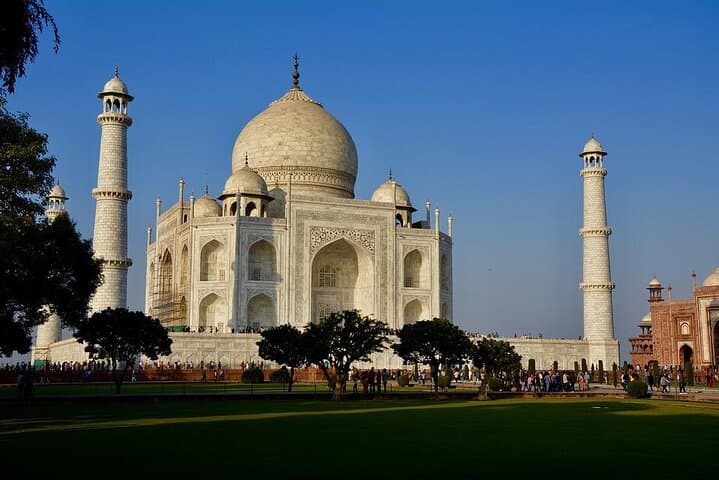
You step from the car into a different tempo: Delhi’s honking avenues give way to the quiet marble court beside the Yamuna, where the Taj Mahal’s reflection shivers in the morning light.
Verified experiences and guided adventures in the surrounding area.
Operated by Budget Tour In India · New Delhi, Delhi
You step from the car into a different tempo: Delhi’s honking avenues give way to the quiet marble court beside the Yamuna, where the Taj Mahal’s reflection shivers in the morning light.
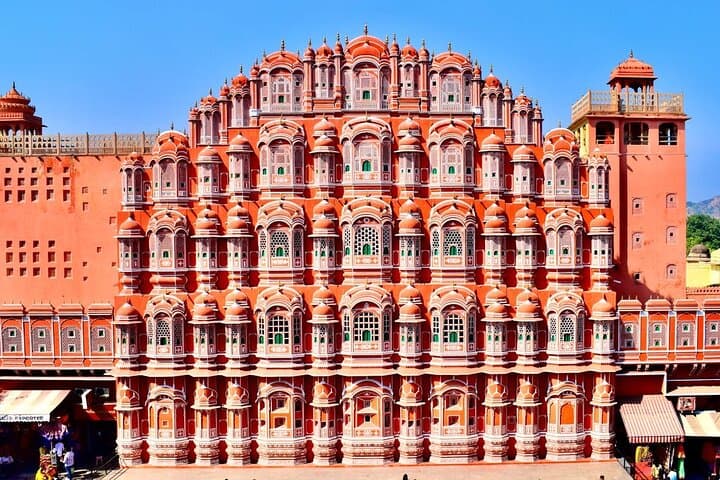
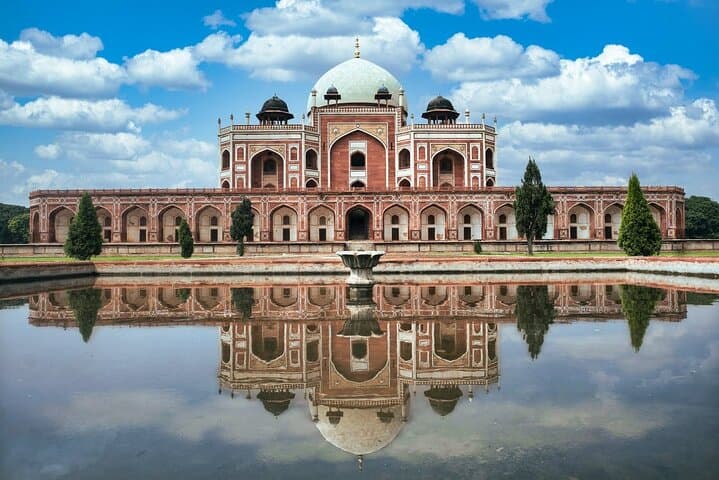
This five-day Golden Triangle tour threads three cities where empire and desert meet modern India. Delhi is a palimpsest of empires—Sultanate alleys, Mughal gardens and British boulevards—where roadside stalls trade spice for history. Agra centers on Mughal architecture; the Taj Mahal and Agra Fort speak to Mughal engineering and funerary aesthetics carved in white and red stone. Jaipur pushes west: rose-colored ramparts, sandstone barracks and Rajput palaces set against arid hills shaped by wind and sparse monsoon-fed scrub.
Geology is visible in building material—ancient alluvial plains around the Yamuna supply the sandstone and marble; the Aravalli outcrops east of Jaipur form the region’s oldest ridges. Culture here is public and tactile: bazaars, craftsmen at work in stone and block-print, and teashop bargaining.
Practical guidance: schedule the Taj at sunrise to avoid heat and crowds; pack lightweight, breathable clothing, closed shoes for uneven palace courtyards, and a hat for midday sun. Carry reusable water and small local-currency notes for tips and transport. Expect several hours of daily driving between sites; choose early starts to make the most of cooler light for photography.
Local guides accelerate access—ask about skip-the-line options for major monuments—and be mindful that these sites are protected: follow signage, avoid drone use without permits, and respect local customs around religious sites.
easy.
5 days.
Light activity with walking on uneven surfaces; suitable for travelers in average health who can handle several hours of sightseeing daily.
Expect multiple hours of driving between cities—Delhi to Agra ~3–4 hours and Agra to Jaipur ~4–5 hours depending on traffic; itineraries use early starts to reduce daytime travel.
Policies vary—confirm with the operator; many tours include major monument fees but check the booking inclusions to be sure.
Yes—this private tour is family-friendly, but plan for naps and downtime; infant seats are often available if requested.
Most visitors require a visa—check your nationality against current Indian visa regulations and apply for the appropriate e-visa or sticker visa before travel.
The route ties Mughal imperial centers (Agra) with the Rajput courts (Jaipur) and the multi-layered capital of Delhi; many monuments date from the 16th–18th centuries.
High visitor numbers and air pollution threaten monuments—use certified guides, avoid touching carved surfaces, and prefer refillable water to reduce plastic waste.
Budget Tour In India operates guided outdoor trips and adventures with an emphasis on safety, stewardship, and memorable experiences.
You step from the car into a different tempo: Delhi’s honking avenues give way to the quiet marble court beside the Yamuna, where the Taj Mahal’s reflection shivers in the morning light.
You step from the car into a different tempo: Delhi’s honking avenues give way to the quiet marble court beside the Yamuna, where the Taj Mahal’s reflection shivers in the morning light.
This five-day Golden Triangle tour threads three cities where empire and desert meet modern India. Delhi is a palimpsest of empires—Sultanate alleys, Mughal gardens and British boulevards—where roadside stalls trade spice for history. Agra centers on Mughal architecture; the Taj Mahal and Agra Fort speak to Mughal engineering and funerary aesthetics carved in white and red stone. Jaipur pushes west: rose-colored ramparts, sandstone barracks and Rajput palaces set against arid hills shaped by wind and sparse monsoon-fed scrub.
Geology is visible in building material—ancient alluvial plains around the Yamuna supply the sandstone and marble; the Aravalli outcrops east of Jaipur form the region’s oldest ridges. Culture here is public and tactile: bazaars, craftsmen at work in stone and block-print, and teashop bargaining.
Practical guidance: schedule the Taj at sunrise to avoid heat and crowds; pack lightweight, breathable clothing, closed shoes for uneven palace courtyards, and a hat for midday sun. Carry reusable water and small local-currency notes for tips and transport. Expect several hours of daily driving between sites; choose early starts to make the most of cooler light for photography.
Local guides accelerate access—ask about skip-the-line options for major monuments—and be mindful that these sites are protected: follow signage, avoid drone use without permits, and respect local customs around religious sites.