THE ADVENTURE COLLECTIVE® · Independent discovery and booking for outdoor travel

Hike four days along the original Inca cobbles, cross high passes and cloud forest, and arrive at Machu Picchu through the Sun Gate. This guided journey combines historic Inca sites, expert support, campsite comfort and a Vistadome return train.
Hike four days along the original Inca cobbles, cross high passes and cloud forest, and arrive at Machu Picchu through the Sun Gate. This guided journey combines historic Inca sites, expert support, campsite comfort and a Vistadome return train.
Dawn at Km 82 feels like arriving on the spine of the Andes: mist lifts off terraces, porters tighten straps, and the trail—ancient cobblestone—guides a single-file pilgrimage toward the Sun Gate.
Verified experiences and guided adventures in the surrounding area.
Operated by Ali Peru Treks - Travel Agency · Cusco, Cusco Region
Dawn at Km 82 feels like arriving on the spine of the Andes: mist lifts off terraces, porters tighten straps, and the trail—ancient cobblestone—guides a single-file pilgrimage toward the Sun Gate.
The four-day Inca Trail threads through high puna and cloud forest, following routes the Inca built to link Cusco with sacred Machu Picchu. Geologically the trail rides folds of the Eastern Cordillera above the deep Urubamba gorge; volcanic and sedimentary rock form narrow ridges and steep terraces that channel waterfalls and cloud. Culturally, the route crosses Quechua-speaking communities and Inca sites—Llactapata, Runkurakay, Sayacmarca, Wiñay Wayna—each a marker of agricultural engineering and ceremonial life.
Expect a mix of steep stone stairways, exposed ridgewalks and shaded mossy forest. Nights are in four-person Eureka tents on established campsites; chefs and porters set up hot meals and private portable toilets. On the final morning you earn the iconic sunrise from Inti Punku with Machu Picchu spread below before a guided tour and Vistadome train back toward Ollantaytambo and Cusco.
Practical edge: permits are limited and checked with passports, so book early; acclimatize in Cusco for 2–3 days to reduce altitude risk. Carry layered clothing, a reliable rain shell for wet-season downpours, and 2–3 liters of water capacity. Move at a steady pace on high passes (Warmiwañuska ~4,215 m) and rely on guides for route and history. The trail is unforgettable but demands respect—leave no trace, support porter welfare, and plan for variable weather.
challenging.
4 days.
Moderate to strong aerobic fitness; comfortable with 6–10 hour hiking days and sustained climbs at high altitude.
Yes—official Inca Trail permits are limited and issued by the Peruvian government; a reputable operator will secure yours before departure.
Daily distances vary from ~6–16 km with 4–10 hour days; expect steep ascents and long stone stair sections, especially on Day 2 (Warmiwañuska pass).
You can reduce risk by acclimatizing in Cusco, staying hydrated, moving at a steady pace, and avoiding alcohol before and during the trek; medication like acetazolamide can help after consulting a doctor.
Typical inclusions: entrance permits to the Inca Trail and Machu Picchu, guided tours, campsite equipment, meals, porters, Vistadome train return, transfers and some hotel pickup.
The Inca Trail was part of a vast road system that connected administrative centers to Cusco; many trail sites served agricultural, religious or lookout functions for the empire.
Permits limit daily hikers to protect archaeological sites and fragile cloud-forest ecosystems; stick to trails, avoid single-use plastics, and follow porter-welfare guidelines.
Ali Peru Treks - Travel Agency operates guided outdoor trips and adventures with an emphasis on safety, stewardship, and memorable experiences.
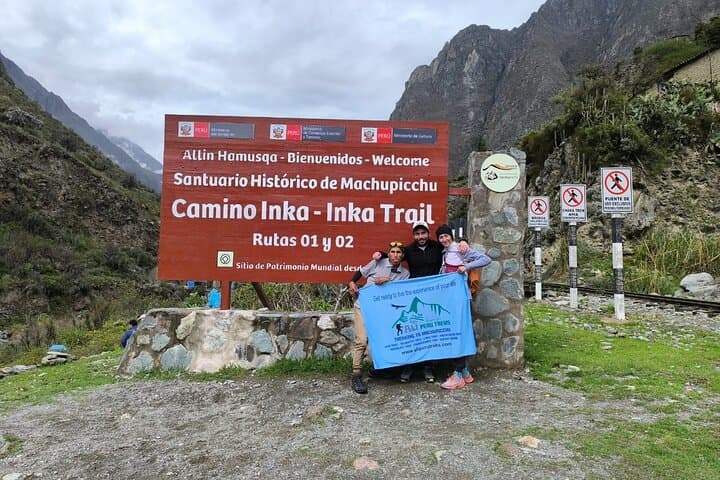
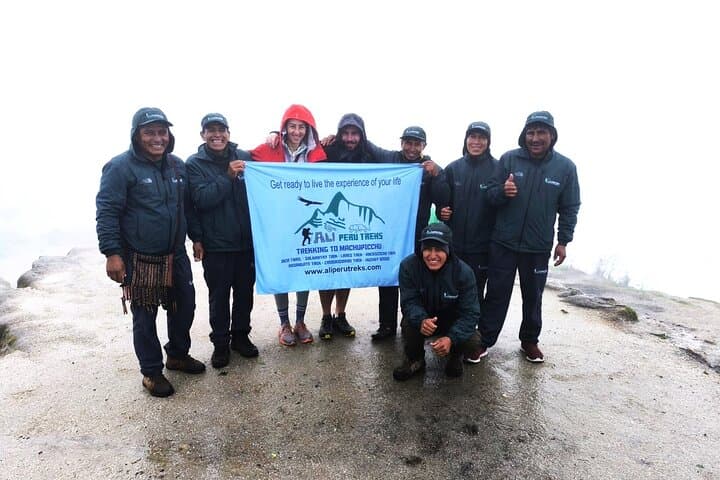
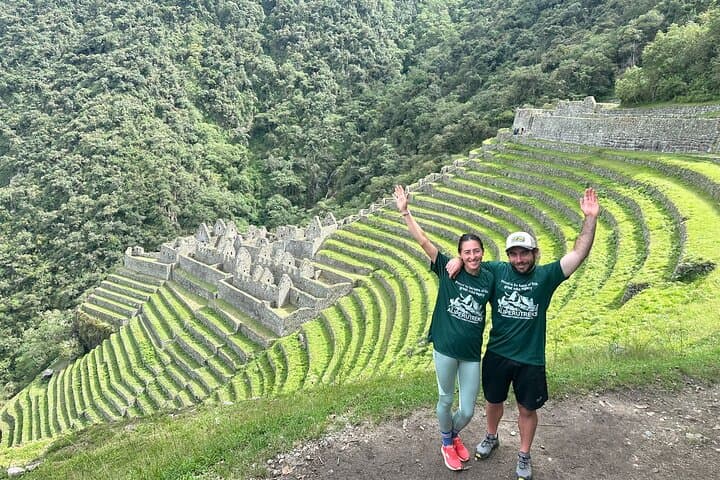
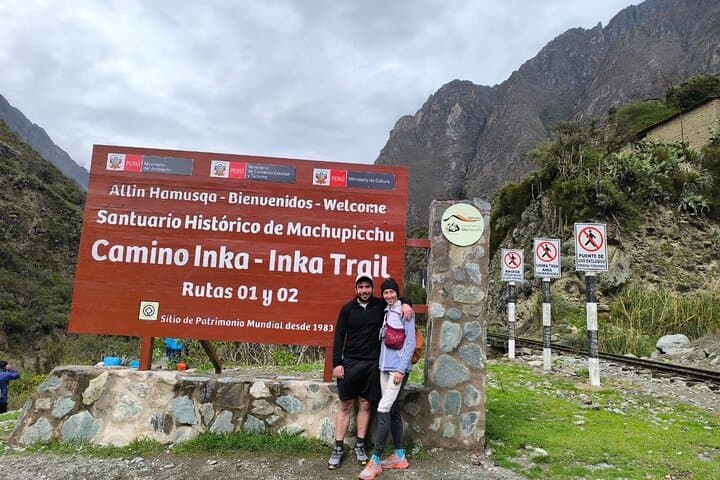
Dawn at Km 82 feels like arriving on the spine of the Andes: mist lifts off terraces, porters tighten straps, and the trail—ancient cobblestone—guides a single-file pilgrimage toward the Sun Gate.
Dawn at Km 82 feels like arriving on the spine of the Andes: mist lifts off terraces, porters tighten straps, and the trail—ancient cobblestone—guides a single-file pilgrimage toward the Sun Gate.
The four-day Inca Trail threads through high puna and cloud forest, following routes the Inca built to link Cusco with sacred Machu Picchu. Geologically the trail rides folds of the Eastern Cordillera above the deep Urubamba gorge; volcanic and sedimentary rock form narrow ridges and steep terraces that channel waterfalls and cloud. Culturally, the route crosses Quechua-speaking communities and Inca sites—Llactapata, Runkurakay, Sayacmarca, Wiñay Wayna—each a marker of agricultural engineering and ceremonial life.
Expect a mix of steep stone stairways, exposed ridgewalks and shaded mossy forest. Nights are in four-person Eureka tents on established campsites; chefs and porters set up hot meals and private portable toilets. On the final morning you earn the iconic sunrise from Inti Punku with Machu Picchu spread below before a guided tour and Vistadome train back toward Ollantaytambo and Cusco.
Practical edge: permits are limited and checked with passports, so book early; acclimatize in Cusco for 2–3 days to reduce altitude risk. Carry layered clothing, a reliable rain shell for wet-season downpours, and 2–3 liters of water capacity. Move at a steady pace on high passes (Warmiwañuska ~4,215 m) and rely on guides for route and history. The trail is unforgettable but demands respect—leave no trace, support porter welfare, and plan for variable weather.