THE ADVENTURE COLLECTIVE® · Independent discovery and booking for outdoor travel

Wake before dawn and cross the Rift Valley to an open savanna where lions lounge and wildebeest challenge the Mara River. This three-day safari combines early-morning game drives, a full-day Big Five search, tented-camp nights, and a chance to witness the Great Migration.
Wake before dawn and cross the Rift Valley to an open savanna where lions lounge and wildebeest challenge the Mara River. This three-day safari combines early-morning game drives, a full-day Big Five search, tented-camp nights, and a chance to witness the Great Migration.
You wake before sunrise, the camp lanterns dim and the Mara grass begins to breathe. A Toyota cruiser pulls away from the tented camp and the escarpment of the Great Rift Valley recedes behind you as the first light paints acacia silhouettes. The air tastes of dust and distant water; birds call the morning to life while the river below dares the wildebeest to cross.
Verified experiences and guided adventures in the surrounding area.
Operated by Pride of Africa Adventures and Safaris · Masai Mara, Narok County
You wake before sunrise, the camp lanterns dim and the Mara grass begins to breathe. A Toyota cruiser pulls away from the tented camp and the escarpment of the Great Rift Valley recedes behind you as the first light paints acacia silhouettes. The air tastes of dust and distant water; birds call the morning to life while the river below dares the wildebeest to cross.
Geology has carved this landscape—an open savanna folded by the Rift Valley—and human history here is equally bold. The Maasai have grazed cattle and guarded corridors for generations; their villages still sit close to the reserve, offering cultural exchange and local craft. Ecologically the Mara is a contiguous landscape with Tanzania’s Serengeti, the staging ground for the epic wildebeest migration that peaks between July and September at the Mara River.
On a typical three-day itinerary expect early starts (pickups as early as 6:30am), morning and late-afternoon game drives, a full-day search for the Big Five, and a riverside picnic at known crossing points. Nights are spent in tented camps such as Miti Mingi; expect basic comfort, hot meals, and campfire debriefs.
Practical guidance: pack layered clothing for cold mornings and hot afternoons, a good pair of binoculars, sunscreen and a brimmed hat, and a small daypack for camera gear and water. Roads are dusty and bumpy—motion tolerance helps—and entry fees and optional Maasai village visits are often cash. Carry photocopies of travel docs and confirm pickup logistics the day before. This safari balances immersive wildlife viewing with straightforward logistics—show up prepared and the Mara will do the rest.
moderate.
3 days.
Moderate fitness; long hours in vehicles and short walks at viewpoints. Able to handle uneven ground for brief exits from the vehicle.
The standard three-day itinerary includes multiple early-morning and late-afternoon game drives plus one full-day game drive with a packed lunch.
The busiest river crossings in Masai Mara typically occur from July through September, though migration timing can vary year to year.
This tour description includes admission for full-day game drives; confirm specific park fees and vehicle surcharges at booking as policies can change.
Yes—most itineraries include an optional Maasai village visit; it’s commonly paid on-site (about $10) and supports local communities.
The Masai Mara lies within the larger Serengeti-Mara ecosystem shaped by Rift Valley geology; Maasai pastoralists have lived here for centuries, influencing land use and wildlife corridors.
The reserve relies on tourism revenue for anti-poaching and community programs; choose operators who support local conservation and respect village protocols.
Pride of Africa Adventures and Safaris operates guided outdoor trips and adventures with an emphasis on safety, stewardship, and memorable experiences.

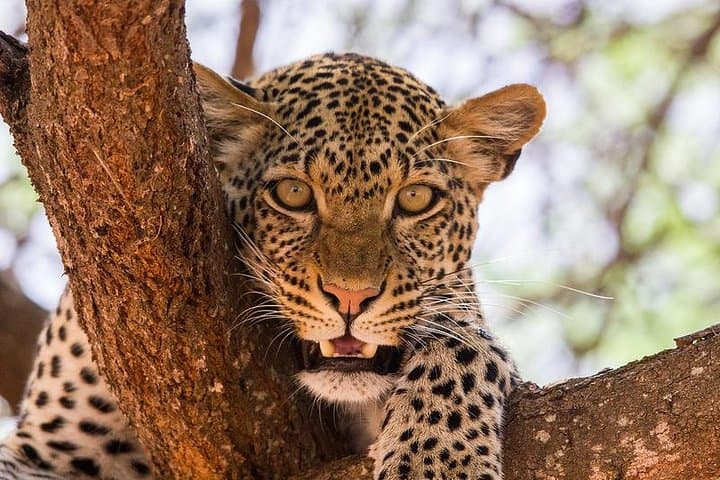

You wake before sunrise, the camp lanterns dim and the Mara grass begins to breathe. A Toyota cruiser pulls away from the tented camp and the escarpment of the Great Rift Valley recedes behind you as the first light paints acacia silhouettes. The air tastes of dust and distant water; birds call the morning to life while the river below dares the wildebeest to cross.
You wake before sunrise, the camp lanterns dim and the Mara grass begins to breathe. A Toyota cruiser pulls away from the tented camp and the escarpment of the Great Rift Valley recedes behind you as the first light paints acacia silhouettes. The air tastes of dust and distant water; birds call the morning to life while the river below dares the wildebeest to cross.
Geology has carved this landscape—an open savanna folded by the Rift Valley—and human history here is equally bold. The Maasai have grazed cattle and guarded corridors for generations; their villages still sit close to the reserve, offering cultural exchange and local craft. Ecologically the Mara is a contiguous landscape with Tanzania’s Serengeti, the staging ground for the epic wildebeest migration that peaks between July and September at the Mara River.
On a typical three-day itinerary expect early starts (pickups as early as 6:30am), morning and late-afternoon game drives, a full-day search for the Big Five, and a riverside picnic at known crossing points. Nights are spent in tented camps such as Miti Mingi; expect basic comfort, hot meals, and campfire debriefs.
Practical guidance: pack layered clothing for cold mornings and hot afternoons, a good pair of binoculars, sunscreen and a brimmed hat, and a small daypack for camera gear and water. Roads are dusty and bumpy—motion tolerance helps—and entry fees and optional Maasai village visits are often cash. Carry photocopies of travel docs and confirm pickup logistics the day before. This safari balances immersive wildlife viewing with straightforward logistics—show up prepared and the Mara will do the rest.