THE ADVENTURE COLLECTIVE® · Independent discovery and booking for outdoor travel

Ride the scenic train from Ollantaytambo to Aguas Calientes, spend a night in town, and catch sunrise over Machu Picchu with a guided tour the next day. This two-day itinerary prioritizes comfort while delivering iconic Andean landscapes and easy access to the citadel.
Ride the scenic train from Ollantaytambo to Aguas Calientes, spend a night in town, and catch sunrise over Machu Picchu with a guided tour the next day. This two-day itinerary prioritizes comfort while delivering iconic Andean landscapes and easy access to the citadel.
Dawn breaks over the Urubamba Valley as your minivan leaves Cusco's high terraces and descends toward Ollantaytambo. The Andes press close—steep green ridges, terraced walls, and rivers that seem to push travelers forward—until the tourist train threads a narrow gorge toward Aguas Calientes. You arrive in the steaming microclimate below Machu Picchu, where orchids drip from mossy cliffs and the town hums with last-minute preparations.
Verified experiences and guided adventures in the surrounding area.
Operated by Nixon Expeditions · Aguas Calientes, Cusco
Dawn breaks over the Urubamba Valley as your minivan leaves Cusco's high terraces and descends toward Ollantaytambo. The Andes press close—steep green ridges, terraced walls, and rivers that seem to push travelers forward—until the tourist train threads a narrow gorge toward Aguas Calientes. You arrive in the steaming microclimate below Machu Picchu, where orchids drip from mossy cliffs and the town hums with last-minute preparations.
Machu Picchu sits at about 2,430 m on a ridge carved by the Urubamba River, built in the 15th century during the Inca empire and later reclaimed by cloud forest. Geology here is folded volcanic and sedimentary rock shaped by glacial and fluvial action; terraces and stone masonry reveal how the Incas balanced agriculture, water management, and sacred space. Local culture blends Quechua traditions with tourism economies—Aguas Calientes serves as the gateway, while Ollantaytambo still shows living Inca urban planning.
Practically, expect two days of travel: a 2-hour drive from Cusco to Ollantaytambo, a roughly 2-hour scenic train to Aguas Calientes, an uphill hike of about 1.5 hours to the Machu Picchu entrance (≈390 m elevation gain), and a guided 2-hour tour of the citadel. Trails are steep stone steps, dirt switchbacks, and occasionally wet surfaces.
Bring layered clothing, waterproofs, and time your tickets—Huayna Picchu and Machu Picchu Mountain require advance permits. Hydrate and pace your ascent; altitude and steep steps will test legs more than technical skill. The reward is a sunrise that pushes back the clouds and reveals the city’s precise stonework—history and landscape daring you to keep exploring.
moderate.
2 days.
Good aerobic fitness recommended for uphill hiking and stairs; steady-paced climbers will be comfortable.
Yes—tickets are limited and often sell out; book entrance tickets and any Huayna Picchu/Machu Picchu Mountain permits well before travel.
Expect about 1 to 1.5 hours of steep uphill walking with roughly 390 m of elevation gain on uneven stone steps and switchbacks; pace yourself and rest frequently.
This tour includes round-trip tourist train from Ollantaytambo to Aguas Calientes; you’ll transfer from Cusco to Ollantaytambo by minivan beforehand.
Yes, many ages participate—consider fitness, stair-climbing ability, and altitude; choose slower pacing and ensure proper acclimatization.
Built in the 15th century under the Inca and rediscovered for the wider world in the early 20th century, Machu Picchu combines agricultural terraces with ritual plazas.
Visitor caps and timed entries limit crowding; stick to marked paths and avoid single-use plastics to reduce impact on fragile cloud-forest ecosystems.
Nixon Expeditions operates guided outdoor trips and adventures with an emphasis on safety, stewardship, and memorable experiences.
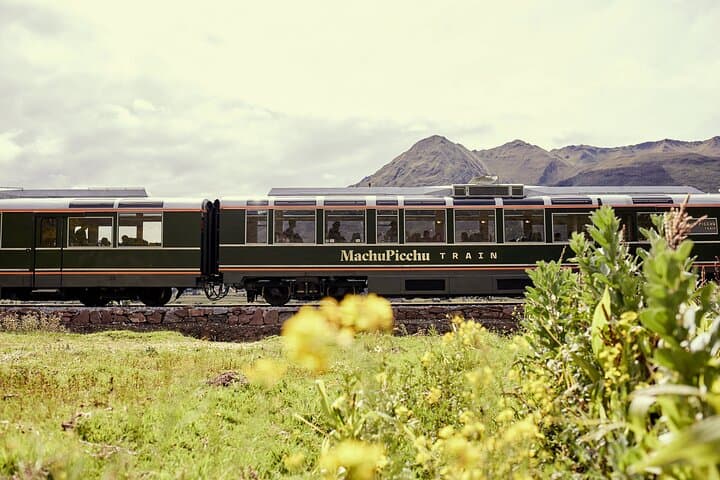

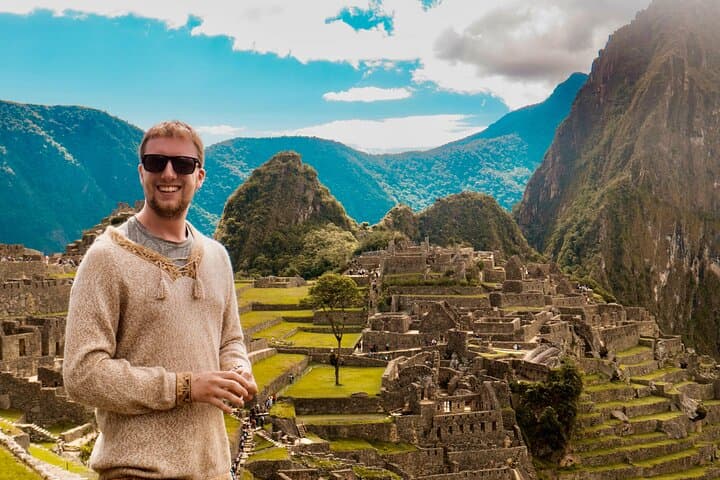
Dawn breaks over the Urubamba Valley as your minivan leaves Cusco's high terraces and descends toward Ollantaytambo. The Andes press close—steep green ridges, terraced walls, and rivers that seem to push travelers forward—until the tourist train threads a narrow gorge toward Aguas Calientes. You arrive in the steaming microclimate below Machu Picchu, where orchids drip from mossy cliffs and the town hums with last-minute preparations.
Dawn breaks over the Urubamba Valley as your minivan leaves Cusco's high terraces and descends toward Ollantaytambo. The Andes press close—steep green ridges, terraced walls, and rivers that seem to push travelers forward—until the tourist train threads a narrow gorge toward Aguas Calientes. You arrive in the steaming microclimate below Machu Picchu, where orchids drip from mossy cliffs and the town hums with last-minute preparations.
Machu Picchu sits at about 2,430 m on a ridge carved by the Urubamba River, built in the 15th century during the Inca empire and later reclaimed by cloud forest. Geology here is folded volcanic and sedimentary rock shaped by glacial and fluvial action; terraces and stone masonry reveal how the Incas balanced agriculture, water management, and sacred space. Local culture blends Quechua traditions with tourism economies—Aguas Calientes serves as the gateway, while Ollantaytambo still shows living Inca urban planning.
Practically, expect two days of travel: a 2-hour drive from Cusco to Ollantaytambo, a roughly 2-hour scenic train to Aguas Calientes, an uphill hike of about 1.5 hours to the Machu Picchu entrance (≈390 m elevation gain), and a guided 2-hour tour of the citadel. Trails are steep stone steps, dirt switchbacks, and occasionally wet surfaces.
Bring layered clothing, waterproofs, and time your tickets—Huayna Picchu and Machu Picchu Mountain require advance permits. Hydrate and pace your ascent; altitude and steep steps will test legs more than technical skill. The reward is a sunrise that pushes back the clouds and reveals the city’s precise stonework—history and landscape daring you to keep exploring.