THE ADVENTURE COLLECTIVE® · Independent discovery and booking for outdoor travel

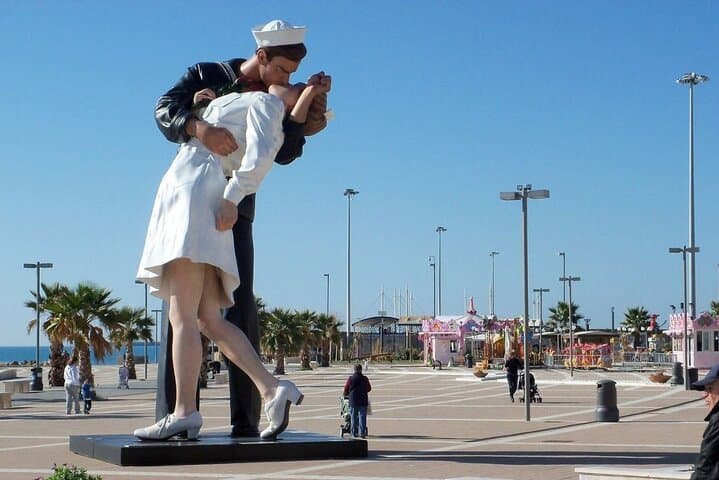
Pedal through Civitavecchia’s old town, past Forte Michelangelo and the Statua del Marinaio, with a gelato and espresso stop along the harbor. This two-hour urban bike tour is ideal for cruise visitors and first-time cyclists wanting a compact taste of Italy’s maritime history.
Pedal through Civitavecchia’s old town, past Forte Michelangelo and the Statua del Marinaio, with a gelato and espresso stop along the harbor. This two-hour urban bike tour is ideal for cruise visitors and first-time cyclists wanting a compact taste of Italy’s maritime history.
The ride begins where the harbor smells of salt and diesel, bikes clattering over patchy cobbles as the sea opens to the horizon.
Verified experiences and guided adventures in the surrounding area.
Operated by Tour Guide Erik · Civitavecchia, Lazio
The ride begins where the harbor smells of salt and diesel, bikes clattering over patchy cobbles as the sea opens to the horizon.
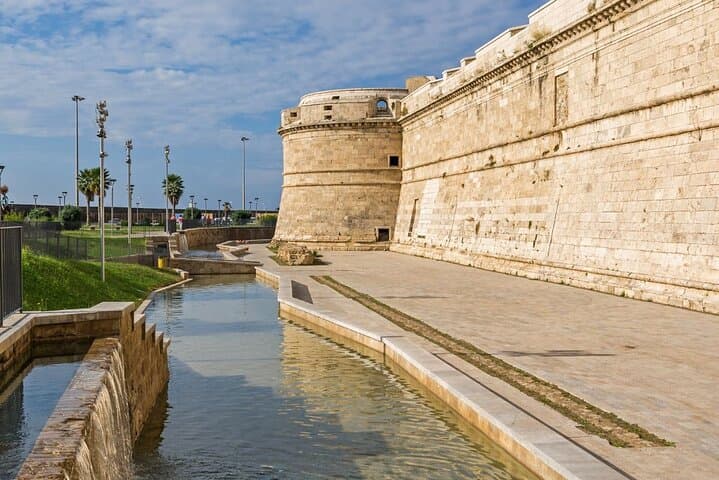
In two brisk hours you’ll move from the compact medieval lanes of Civitavecchia’s old town to wide quay views, pausing beneath the crenellated silhouette of Forte Michelangelo and the upright bronze of the Statua del Marinaio. The route threads narrow cobblestone streets, a market square pulsing with local trade, and low-traffic waterfront roads with panoramic harbor sightlines.
Civitavecchia — originally the Roman port Centumcellae — has been a maritime gateway for nearly two millennia. The fortress visible from the tour dates to Renaissance-era papal defenses and reflects the town’s strategic role linking Rome to the Tyrrhenian Sea. Geologically, the coastline is flat, with basalt and ancient Roman breakwaters shaping the harbor; you won’t gain significant elevation but will feel the city’s layered history beneath your tires.
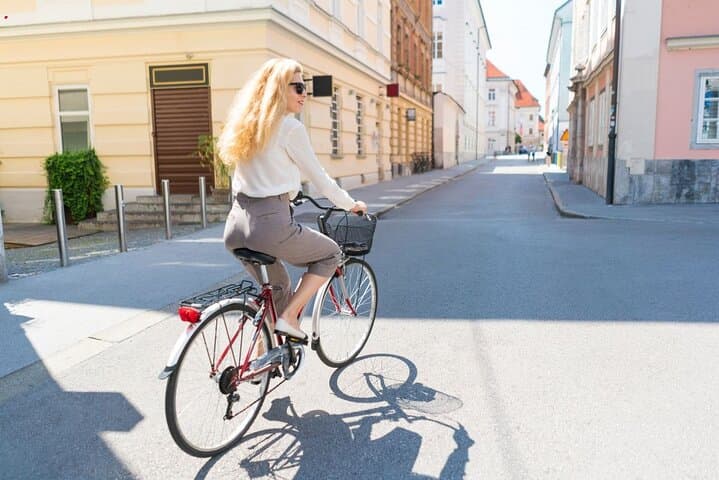
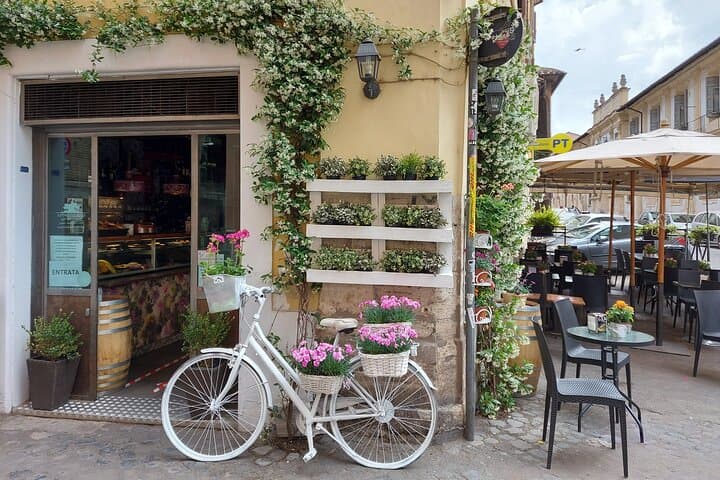
Expect an easy urban ride: cobbles, compacted sand near the piers, and short stretches of asphalt. A café stop delivers authentic espresso and gelato — a cultural reset and a chance to watch fishermen mend nets.
Practical edge: this tour is suitable for first-time cyclists and cruise passengers with limited time, but bring closed-toe shoes and be ready for uneven pavement. Midday sun is strong in summer, and mornings are calmer for photos.
The experience is compact, sociable, and rooted in place: history at your handlebars, the sea daring you to look beyond the quay.
easy.
2 hours.
Basic level of fitness; able to pedal steadily for two hours and navigate short stretches of cobblestone.
Yes—children comfortable on bikes and able to follow group pace can join; check operator age limits before booking.
Yes, helmets are included by the tour operator but you can bring your own for a preferred fit.
Yes—this two-hour itinerary is designed for port calls; confirm meeting point relative to cruise terminal and allow time for embarkation procedures.
The operator may cancel or reschedule for heavy rain; check the 24-hour cancellation policy for refunds or rebook options.
Civitavecchia began as the Roman port Centumcellae and later grew around papal-era fortifications like Forte Michelangelo that guarded sea access to Rome.
Stay on designated roads and avoid disturbing shoreline habitat; support local cafés and markets to help sustain community-based tourism.
Tour Guide Erik operates guided outdoor trips and adventures with an emphasis on safety, stewardship, and memorable experiences.
The ride begins where the harbor smells of salt and diesel, bikes clattering over patchy cobbles as the sea opens to the horizon.
The ride begins where the harbor smells of salt and diesel, bikes clattering over patchy cobbles as the sea opens to the horizon.
In two brisk hours you’ll move from the compact medieval lanes of Civitavecchia’s old town to wide quay views, pausing beneath the crenellated silhouette of Forte Michelangelo and the upright bronze of the Statua del Marinaio. The route threads narrow cobblestone streets, a market square pulsing with local trade, and low-traffic waterfront roads with panoramic harbor sightlines.
Civitavecchia — originally the Roman port Centumcellae — has been a maritime gateway for nearly two millennia. The fortress visible from the tour dates to Renaissance-era papal defenses and reflects the town’s strategic role linking Rome to the Tyrrhenian Sea. Geologically, the coastline is flat, with basalt and ancient Roman breakwaters shaping the harbor; you won’t gain significant elevation but will feel the city’s layered history beneath your tires.
Expect an easy urban ride: cobbles, compacted sand near the piers, and short stretches of asphalt. A café stop delivers authentic espresso and gelato — a cultural reset and a chance to watch fishermen mend nets.
Practical edge: this tour is suitable for first-time cyclists and cruise passengers with limited time, but bring closed-toe shoes and be ready for uneven pavement. Midday sun is strong in summer, and mornings are calmer for photos.
The experience is compact, sociable, and rooted in place: history at your handlebars, the sea daring you to look beyond the quay.