THE ADVENTURE COLLECTIVE® · Independent discovery and booking for outdoor travel

Turn Gothenburg into a live crime scene: CityQuest’s Phoenix Project sends teams from Bältesspännarparken to Gustaf Adolfs torg on a 2½-hour detective hunt using a web app and evidence pack. Expect urban puzzles, architectural clues, and tram-accessible streets.
Turn Gothenburg into a live crime scene: CityQuest’s Phoenix Project sends teams from Bältesspännarparken to Gustaf Adolfs torg on a 2½-hour detective hunt using a web app and evidence pack. Expect urban puzzles, architectural clues, and tram-accessible streets.
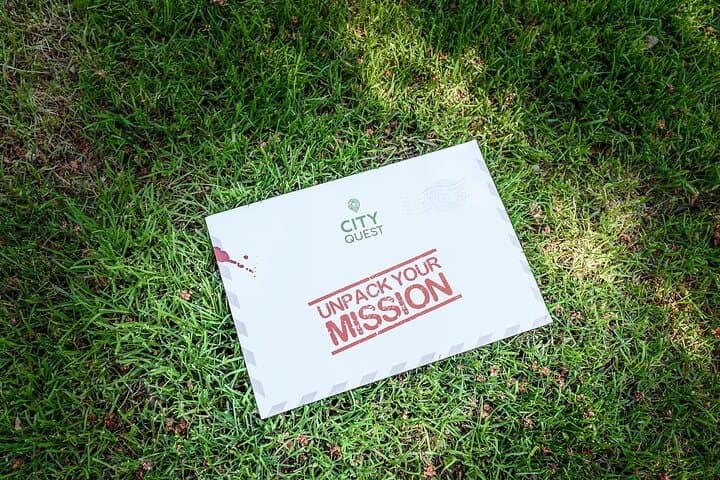
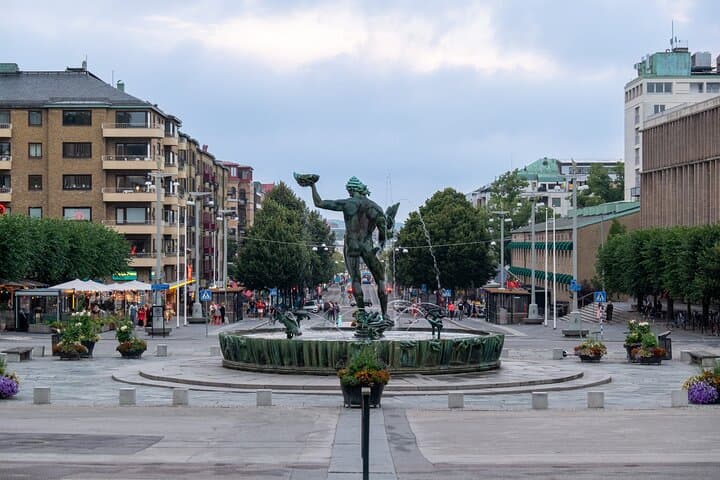
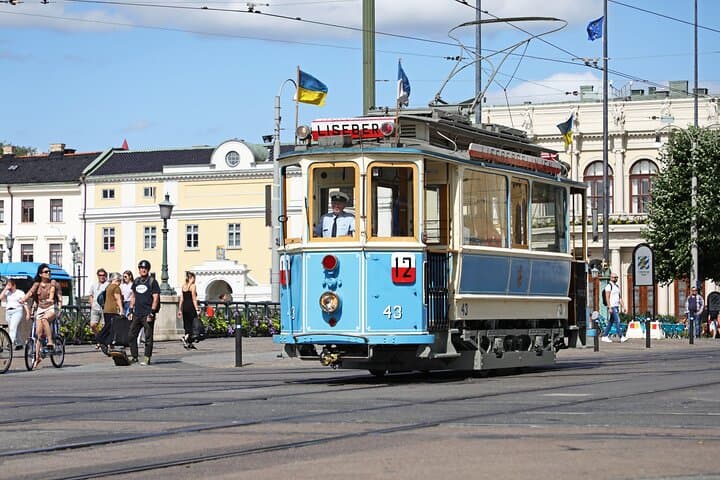
The game begins beneath the plane trees of Bältesspännarparken, where a folded set of evidence and a glowing web app hand you the keys to a city-sized whodunit. Teams fan out across cobbled streets and modern plazas, deciphering cryptic notes, scanning façades and following a trail that threads past tram tracks toward Gustaf Adolfs torg.
Verified experiences and guided adventures in the surrounding area.
Operated by ARDI · Gothenburg, Västra Götaland County
The game begins beneath the plane trees of Bältesspännarparken, where a folded set of evidence and a glowing web app hand you the keys to a city-sized whodunit. Teams fan out across cobbled streets and modern plazas, deciphering cryptic notes, scanning façades and following a trail that threads past tram tracks toward Gustaf Adolfs torg.
Gothenburg’s urban fabric—laid out in the 17th century under Dutch influence and later shaped by its role as Sweden’s major west-coast port—becomes both stage and clueboard. Brick warehouses and canal edges recall industrial grit; public squares carry the names of kings and merchants who grew the city. The Phoenix Project plays with that history, folding local landmarks into puzzles that reward attention to architecture, signage and civic memory.
Expect a mix of walking on paved streets and pedestrian zones, intermittent crowds, and plenty of stops to consult the investigation web application. The route leans compact and center-city focused: you’ll move between parks, stately boulevards and the waterfront fringe, finishing at Gustaf Adolfs torg where answers and a short debrief await.
Practical: plan for about 2½ hours, bring a charged smartphone and comfortable shoes; the game is designed to be wheelchair and stroller accessible and suitable for most fitness levels. Public transit sits nearby if you arrive by tram or bus. Teams get an evidence pack and online journal—organize roles (navigator, puzzle-solver, timekeeper) and set a clear meeting point. The experience is less about endurance than observation: slow down, read plaques, and let the city’s details steer you toward the solution.
easy.
2–3 hours.
Little endurance needed; suitable for most adults and older children who can walk steadily for 2–3 hours.
The investigation starts at Bältesspännarparken and finishes at Gustaf Adolfs torg in central Gothenburg.
The activity is scheduled for approximately 150 minutes (about 2½ hours).
Yes—public descriptions note that routes and surfaces are wheelchair and stroller accessible; contact the operator for detailed access planning.
The experience is suitable for families and groups; puzzles are designed for mixed ages but younger children may need help with complex clues.
Gothenburg was founded in the early 17th century with Dutch urban planning influences and grew as Sweden’s principal west-coast port, shaping its grid and canals.
Stay on public paths and avoid disturbing green spaces; urban tourism pressures are managed through responsible routing and encouraging public transit.
ARDI operates guided outdoor trips and adventures with an emphasis on safety, stewardship, and memorable experiences.

The game begins beneath the plane trees of Bältesspännarparken, where a folded set of evidence and a glowing web app hand you the keys to a city-sized whodunit. Teams fan out across cobbled streets and modern plazas, deciphering cryptic notes, scanning façades and following a trail that threads past tram tracks toward Gustaf Adolfs torg.
The game begins beneath the plane trees of Bältesspännarparken, where a folded set of evidence and a glowing web app hand you the keys to a city-sized whodunit. Teams fan out across cobbled streets and modern plazas, deciphering cryptic notes, scanning façades and following a trail that threads past tram tracks toward Gustaf Adolfs torg.
Gothenburg’s urban fabric—laid out in the 17th century under Dutch influence and later shaped by its role as Sweden’s major west-coast port—becomes both stage and clueboard. Brick warehouses and canal edges recall industrial grit; public squares carry the names of kings and merchants who grew the city. The Phoenix Project plays with that history, folding local landmarks into puzzles that reward attention to architecture, signage and civic memory.
Expect a mix of walking on paved streets and pedestrian zones, intermittent crowds, and plenty of stops to consult the investigation web application. The route leans compact and center-city focused: you’ll move between parks, stately boulevards and the waterfront fringe, finishing at Gustaf Adolfs torg where answers and a short debrief await.
Practical: plan for about 2½ hours, bring a charged smartphone and comfortable shoes; the game is designed to be wheelchair and stroller accessible and suitable for most fitness levels. Public transit sits nearby if you arrive by tram or bus. Teams get an evidence pack and online journal—organize roles (navigator, puzzle-solver, timekeeper) and set a clear meeting point. The experience is less about endurance than observation: slow down, read plaques, and let the city’s details steer you toward the solution.