THE ADVENTURE COLLECTIVE® · Independent discovery and booking for outdoor travel

Short, managed slopes just outside Riga offer an accessible introduction to skiing and snowboarding—guided lessons, equipment hire, and return transfer make this a compact winter day out for beginners. Read on for what to expect and how to prepare.
Short, managed slopes just outside Riga offer an accessible introduction to skiing and snowboarding—guided lessons, equipment hire, and return transfer make this a compact winter day out for beginners. Read on for what to expect and how to prepare.
A pale winter light spills across the short, groomed runs just beyond Riga’s city edge, where willing novices strap into skis or a board and let the slope’s gentle pitch dictate the lesson’s rhythm.
Verified experiences and guided adventures in the surrounding area.
Operated by Riga Stag Weekend · Riga, Riga
A pale winter light spills across the short, groomed runs just beyond Riga’s city edge, where willing novices strap into skis or a board and let the slope’s gentle pitch dictate the lesson’s rhythm.
Latvia’s winter traditions are practical: military ski drills in the 19th century gave way to community clubs and modest ski centers during the Soviet era. Geologically the region is part of the Baltic coastal plain—glacial deposits and low, rolling hills create short vertical drops rather than Alpine pitches—so expect controlled runs and grassy berms under thin snow in marginal conditions. Local culture offsets the chill: hot black bread, quick sauna sessions, and cafés where you warm up between runs.
This activity is aimed at beginners and mixed groups. Runs are typically under 100 meters vertical with well-groomed surfaces and slow lifts or surface tows; lessons and two-hour equipment hire are included, and return transfer simplifies logistics. The guide-led format means instructors tailor pacing for first-timers and casual skiers.
Practical notes: arrive layered for wind and sun, bring waterproof gloves and a small daypack for snacks and water, and expect a total booking window of about 3–4 hours including transfers and fittings. Check booking confirmations for exact start time and pickup point—times can shift at peak periods. For safety, wear a helmet, follow instructor cues, and choose lesson-sized groups if you want more one-on-one coaching. In short: it’s a compact, urban winter outing that trades vertical for instruction, convenience, and the chance to test snow skills without Alpine commitment.
easy.
3–4 hours.
Suitable for most people with basic mobility and balance; standing and short walks required for fittings and transfer.
No—this activity is designed for beginners; instructors will teach basic stance, stopping, and turning.
Two-hour equipment hire (skis or snowboard and boots), an English-speaking guide/instructor, and return transfer are included—confirm pickup point on your booking form.
Children can participate depending on age and size; booking questions request ages and special requirements—check operator policies for age minimums.
Runs near Riga are low-elevation and snow-dependent; operators may adjust start times but typically do not offer refunds for weather—confirm conditions before booking.
Latvia’s organized winter recreation grew from 19th-century ski brigades and community clubs, expanding through the 20th century into local ski centers that prioritize accessibility over high verticals.
Stick to marked runs and access roads to protect thin soils and nearby park vegetation; dispose of waste in city bins and use provided rental gear to reduce resource duplication.
Riga Stag Weekend operates guided outdoor trips and adventures with an emphasis on safety, stewardship, and memorable experiences.
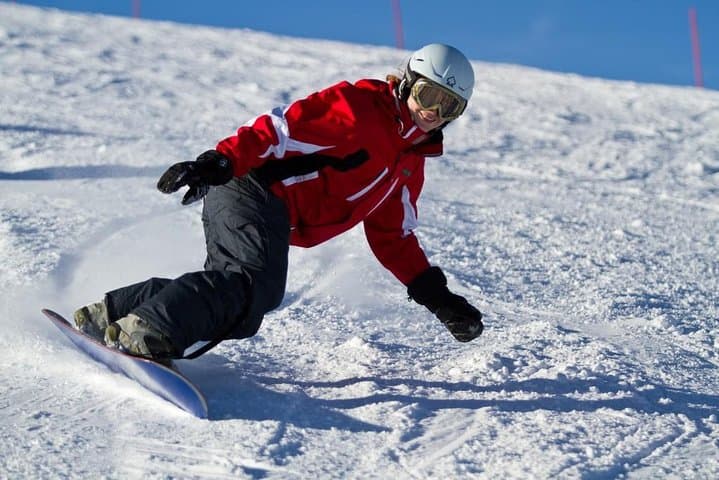
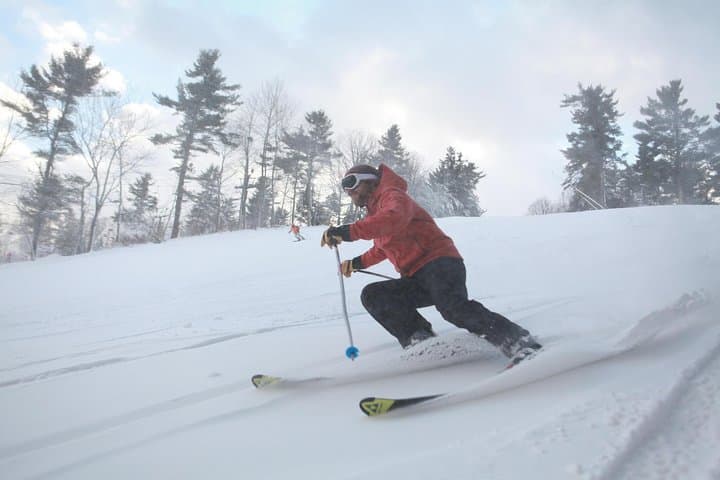
A pale winter light spills across the short, groomed runs just beyond Riga’s city edge, where willing novices strap into skis or a board and let the slope’s gentle pitch dictate the lesson’s rhythm.
A pale winter light spills across the short, groomed runs just beyond Riga’s city edge, where willing novices strap into skis or a board and let the slope’s gentle pitch dictate the lesson’s rhythm.
Latvia’s winter traditions are practical: military ski drills in the 19th century gave way to community clubs and modest ski centers during the Soviet era. Geologically the region is part of the Baltic coastal plain—glacial deposits and low, rolling hills create short vertical drops rather than Alpine pitches—so expect controlled runs and grassy berms under thin snow in marginal conditions. Local culture offsets the chill: hot black bread, quick sauna sessions, and cafés where you warm up between runs.
This activity is aimed at beginners and mixed groups. Runs are typically under 100 meters vertical with well-groomed surfaces and slow lifts or surface tows; lessons and two-hour equipment hire are included, and return transfer simplifies logistics. The guide-led format means instructors tailor pacing for first-timers and casual skiers.
Practical notes: arrive layered for wind and sun, bring waterproof gloves and a small daypack for snacks and water, and expect a total booking window of about 3–4 hours including transfers and fittings. Check booking confirmations for exact start time and pickup point—times can shift at peak periods. For safety, wear a helmet, follow instructor cues, and choose lesson-sized groups if you want more one-on-one coaching. In short: it’s a compact, urban winter outing that trades vertical for instruction, convenience, and the chance to test snow skills without Alpine commitment.