THE ADVENTURE COLLECTIVE® · Independent discovery and booking for outdoor travel

See Sharm El Sheikh’s cultural core in a three-hour loop of Al Sahaba Mosque, the Heavenly Cathedral and the Old Market. This accessible city tour pairs architectural highlights with practical local insight—ideal for a first-day orientation.
See Sharm El Sheikh’s cultural core in a three-hour loop of Al Sahaba Mosque, the Heavenly Cathedral and the Old Market. This accessible city tour pairs architectural highlights with practical local insight—ideal for a first-day orientation.
The tour begins with the city unfolding outside the van window: low hills cut by salt-bright gullies, palms leaning toward the Red Sea, and the mosque’s minaret puncturing a clear Sinai sky. Travelers step into narrow streets where vendors call, spices scent the air and sunlight skims the domes of modern and historic houses.
Verified experiences and guided adventures in the surrounding area.
Operated by Sharm Gate · Sharm El Sheikh, South Sinai Governorate
The tour begins with the city unfolding outside the van window: low hills cut by salt-bright gullies, palms leaning toward the Red Sea, and the mosque’s minaret puncturing a clear Sinai sky. Travelers step into narrow streets where vendors call, spices scent the air and sunlight skims the domes of modern and historic houses.
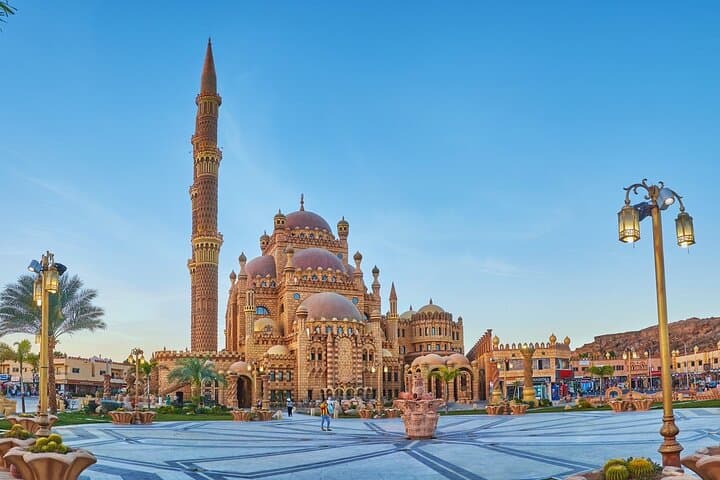
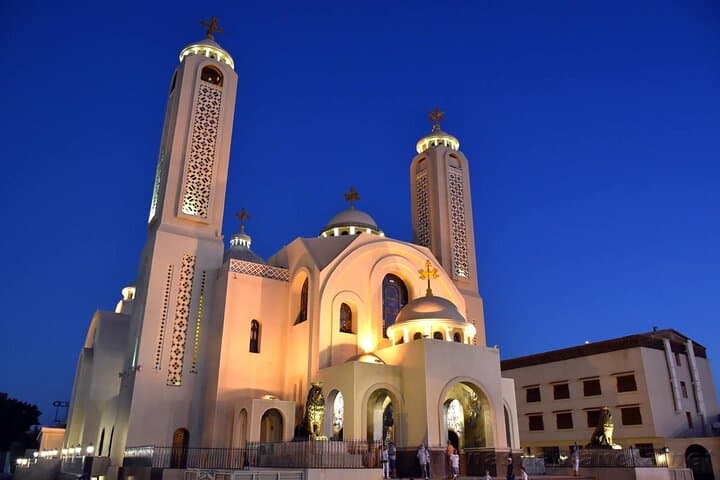
Sharm El Sheikh grew from a fishing village into a global resort after the 1960s, shaped by strategic Sinai geology and its proximity to coral-rich reefs. The itinerary threads cultural markers—Al Sahaba Mosque’s contemporary Islamic motifs, the ornate frescoes and woodwork of the Heavenly Cathedral, and the Old Market’s compact lanes where goods and stories change hands. These stops reflect the city’s layered identity: Muslim and Coptic communities, international tourism, and local Bedouin influences.
Expect short walks, photo stops and curvature-free pavement; surfaces are flat with occasional steps at religious sites. Guides usually allow bargaining time in the market and explain dress expectations for places of worship—shoulders covered, hats removed in prayer spaces.
Practical guidance: book morning or late-afternoon departures to avoid midday heat, carry water and small bills for purchases, and wear closed-toe shoes for market alleys. Respect signage inside religious sites and be prepared for crowds in the Old Market at dusk. For a richer visit, combine this half-day overview with a later waterfront stroll in Naama Bay or an evening at SOHO Square. The city tour is compact, accessible, and designed to orient visitors to Sharm’s cultural core without demanding fitness or technical skills.
easy.
3 hours.
Suitable for most travelers with normal mobility; involves brief standing and short, flat walks.
The excursion runs approximately three hours and includes hotel transport, site visits and a market stop.
Yes; visitors are welcome but must follow modest dress codes, remove hats in prayer areas and remain quiet during services.
The operator lists accessibility options; transportation and many stops are wheelchair friendly, though some market alleys are narrow.
Yes—the Old Market has cafés and stalls; bring cash for small purchases and check with the guide about recommended vendors.
Sharm El Sheikh transformed from a 20th-century fishing settlement into an international resort hub, reflecting Sinai’s strategic location and modern tourism boom.
The area faces water scarcity and pressure on coastal ecosystems; visitors can help by minimizing single-use plastics, sticking to designated paths and respecting local cultural sites.
Sharm Gate operates guided outdoor trips and adventures with an emphasis on safety, stewardship, and memorable experiences.
The tour begins with the city unfolding outside the van window: low hills cut by salt-bright gullies, palms leaning toward the Red Sea, and the mosque’s minaret puncturing a clear Sinai sky. Travelers step into narrow streets where vendors call, spices scent the air and sunlight skims the domes of modern and historic houses.
The tour begins with the city unfolding outside the van window: low hills cut by salt-bright gullies, palms leaning toward the Red Sea, and the mosque’s minaret puncturing a clear Sinai sky. Travelers step into narrow streets where vendors call, spices scent the air and sunlight skims the domes of modern and historic houses.
Sharm El Sheikh grew from a fishing village into a global resort after the 1960s, shaped by strategic Sinai geology and its proximity to coral-rich reefs. The itinerary threads cultural markers—Al Sahaba Mosque’s contemporary Islamic motifs, the ornate frescoes and woodwork of the Heavenly Cathedral, and the Old Market’s compact lanes where goods and stories change hands. These stops reflect the city’s layered identity: Muslim and Coptic communities, international tourism, and local Bedouin influences.
Expect short walks, photo stops and curvature-free pavement; surfaces are flat with occasional steps at religious sites. Guides usually allow bargaining time in the market and explain dress expectations for places of worship—shoulders covered, hats removed in prayer spaces.
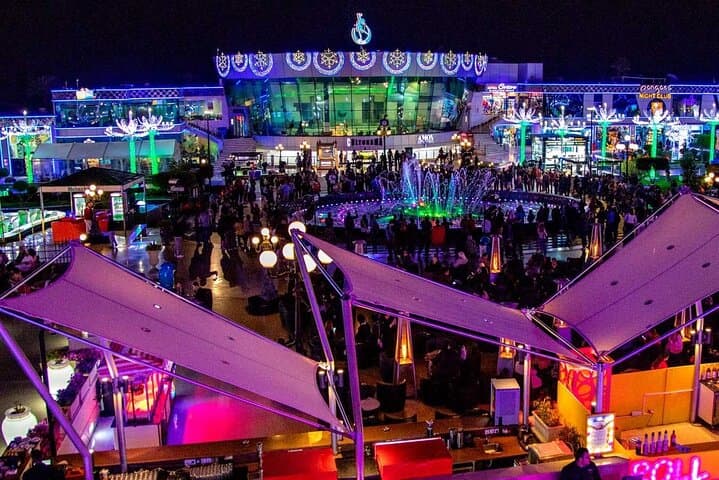
Practical guidance: book morning or late-afternoon departures to avoid midday heat, carry water and small bills for purchases, and wear closed-toe shoes for market alleys. Respect signage inside religious sites and be prepared for crowds in the Old Market at dusk. For a richer visit, combine this half-day overview with a later waterfront stroll in Naama Bay or an evening at SOHO Square. The city tour is compact, accessible, and designed to orient visitors to Sharm’s cultural core without demanding fitness or technical skills.