THE ADVENTURE COLLECTIVE® · Independent discovery and booking for outdoor travel

A private, two-day excursion from Miami to Cap-Haïtien that pairs the mountaintop Citadelle Laferrière with the ruined elegance of Sans-Souci Palace. Expect steep stone stairways, local guides, and hands-on history across a full-day visit and an overnight in northern Haiti.
A private, two-day excursion from Miami to Cap-Haïtien that pairs the mountaintop Citadelle Laferrière with the ruined elegance of Sans-Souci Palace. Expect steep stone stairways, local guides, and hands-on history across a full-day visit and an overnight in northern Haiti.
You step off the plane into the humid, salt-tinged air of Cap-Haïtien and feel the city tug at your senses — market calls, rumbling minibuses, and palms flicking like restless hands. The next morning a private, air-conditioned vehicle winds north through flat coastal fields before the road starts to climb toward Milot; the fortress appears as a dark silhouette on the ridge, daring you to climb.
Verified experiences and guided adventures in the surrounding area.
Operated by Eagle Adventures and Tours · Cap-Haïtien, Nord
You step off the plane into the humid, salt-tinged air of Cap-Haïtien and feel the city tug at your senses — market calls, rumbling minibuses, and palms flicking like restless hands. The next morning a private, air-conditioned vehicle winds north through flat coastal fields before the road starts to climb toward Milot; the fortress appears as a dark silhouette on the ridge, daring you to climb.
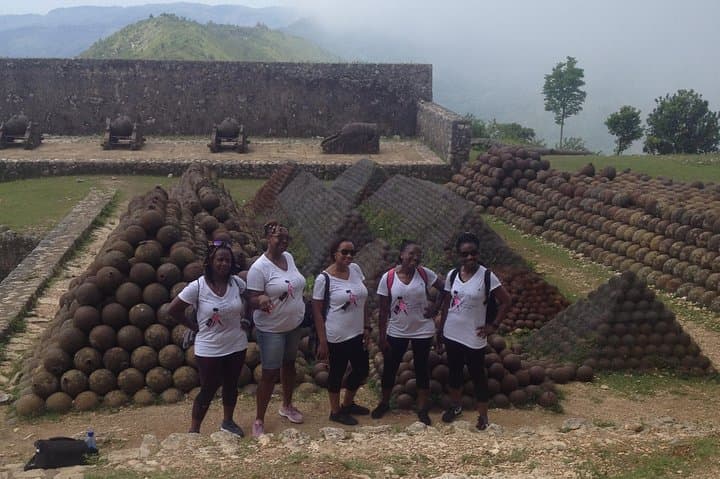
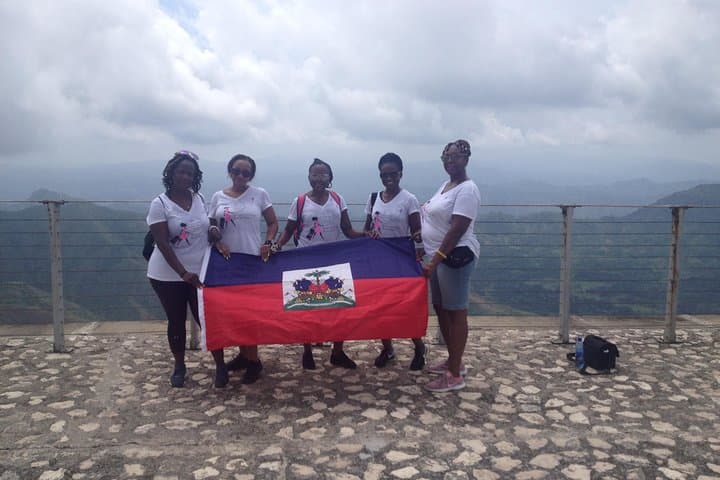
Citadelle Laferrière and the nearby Sans-Souci Palace are early-19th-century monuments to Haiti’s hard-won independence, raised by King Henri Christophe after the revolution. The fortress — massive stone walls, cannons, and terraces — sits on a rocky spur overlooking the Cap-Haïtien plain; Sans-Souci’s ruined marble halls once echoed with court life before earthquakes and time reduced them to elegant ruin.
Geology here is limestone and fragmented karst; expect steep stone steps and dusty slopes at higher elevations. Culture in Milot is tangible: vendors sell fried plantain and sweet coffee, and local guides share oral history about the fort’s construction and strategic role.
Practical matters: the tour runs across two days with an overnight in Cap-Haïtien, private transport, and airport transfers included. Wear sturdy shoes for uneven stone stairways, carry sun protection and 1–2 liters of water, and bring your passport for border or ID checks. Morning visits are coolest and best for photos; give yourself time to walk the Citadelle ramparts and explore the palace ruins with a guide who can explain the layered history. Respect fragile masonry and local customs — the sites are protected but vulnerable, and your care helps keep them standing for the next traveler.
moderate.
2 days (approx. 48 hours).
Appropriate for travelers with basic fitness and ability to climb uneven stone steps and moderate hills; short brisk walks and stair climbs are required.
The paved and then secondary road to Milot is about 30–45 minutes from Cap-Haïtien; the final approach to the fortress can add another 10–20 minutes depending on the vehicle and road conditions.
No — the site involves steep stone stairways and uneven surfaces; visitors with limited mobility will find access challenging and should plan accordingly.
This private tour typically includes transport and transfers; confirm whether park entrance fees and an on-site guide are covered or paid locally when booking.
Guides in the Cap-Haïtien area commonly speak French and Haitian Creole; many tourist guides also speak English — confirm language needs when booking.
Built after Haiti’s revolution by Henri Christophe in the early 1800s, the Citadelle and Sans-Souci Palace form a UNESCO World Heritage site symbolizing the nation’s independence and ambition.
The sites face wear from weather, earthquakes, and visitor pressure; follow local guidelines, avoid climbing fragile masonry, and support local conservation or guide services when possible.
Eagle Adventures and Tours operates guided outdoor trips and adventures with an emphasis on safety, stewardship, and memorable experiences.
You step off the plane into the humid, salt-tinged air of Cap-Haïtien and feel the city tug at your senses — market calls, rumbling minibuses, and palms flicking like restless hands. The next morning a private, air-conditioned vehicle winds north through flat coastal fields before the road starts to climb toward Milot; the fortress appears as a dark silhouette on the ridge, daring you to climb.
You step off the plane into the humid, salt-tinged air of Cap-Haïtien and feel the city tug at your senses — market calls, rumbling minibuses, and palms flicking like restless hands. The next morning a private, air-conditioned vehicle winds north through flat coastal fields before the road starts to climb toward Milot; the fortress appears as a dark silhouette on the ridge, daring you to climb.
Citadelle Laferrière and the nearby Sans-Souci Palace are early-19th-century monuments to Haiti’s hard-won independence, raised by King Henri Christophe after the revolution. The fortress — massive stone walls, cannons, and terraces — sits on a rocky spur overlooking the Cap-Haïtien plain; Sans-Souci’s ruined marble halls once echoed with court life before earthquakes and time reduced them to elegant ruin.
Geology here is limestone and fragmented karst; expect steep stone steps and dusty slopes at higher elevations. Culture in Milot is tangible: vendors sell fried plantain and sweet coffee, and local guides share oral history about the fort’s construction and strategic role.
Practical matters: the tour runs across two days with an overnight in Cap-Haïtien, private transport, and airport transfers included. Wear sturdy shoes for uneven stone stairways, carry sun protection and 1–2 liters of water, and bring your passport for border or ID checks. Morning visits are coolest and best for photos; give yourself time to walk the Citadelle ramparts and explore the palace ruins with a guide who can explain the layered history. Respect fragile masonry and local customs — the sites are protected but vulnerable, and your care helps keep them standing for the next traveler.