THE ADVENTURE COLLECTIVE® · Independent discovery and booking for outdoor travel

Leave Florence early and trade Renaissance streets for a coastal ribbon of five sea-scraped villages. This full-day excursion blends train rides, optional ferries and free time in each village for tasting local specialties and soaking in cliffside views.
Leave Florence early and trade Renaissance streets for a coastal ribbon of five sea-scraped villages. This full-day excursion blends train rides, optional ferries and free time in each village for tasting local specialties and soaking in cliffside views.
The day begins before sunrise at Santa Maria Novella—train platforms hum, coffee shops open, and the city’s rhythm gives way to the coastal wind.
Verified experiences and guided adventures in the surrounding area.
Operated by Sightseeing Experience · Monterosso al Mare, Liguria
The day begins before sunrise at Santa Maria Novella—train platforms hum, coffee shops open, and the city’s rhythm gives way to the coastal wind.
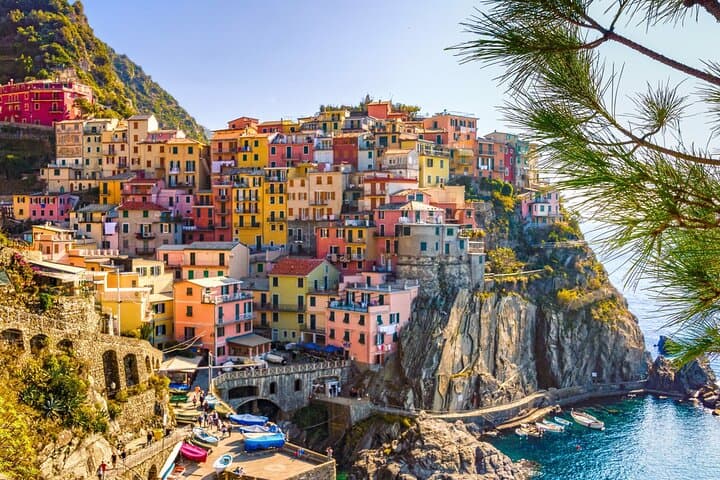
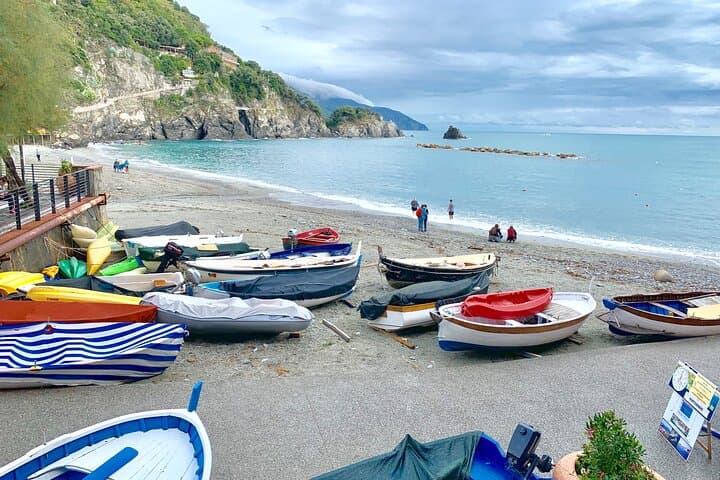
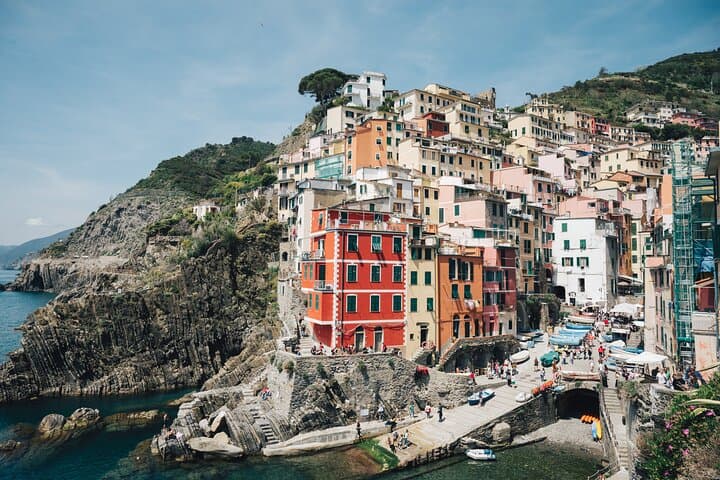
By midmorning the train threads dramatic coastal ledges, cliffs dropping to a restless Mediterranean that seems to dare you to lean closer. Villages appear like colored notes pinned to stone: harbors cradled by narrow alleys, terraces of vines and olives that climb impossible gradients, and a seawall where locals launch boats at dawn.
This stretch of the Ligurian Riviera has layered history: medieval fishing hamlets, terraced agriculture carved into the Apennine foothills, and a maritime culture that fostered distinct foods—pesto, focaccia, anchovies—and livelihoods tied to the sea. Geologically the coast is steep limestone and marl, eroded into coves and points, which is why paths are stair-steep and views hit suddenly.
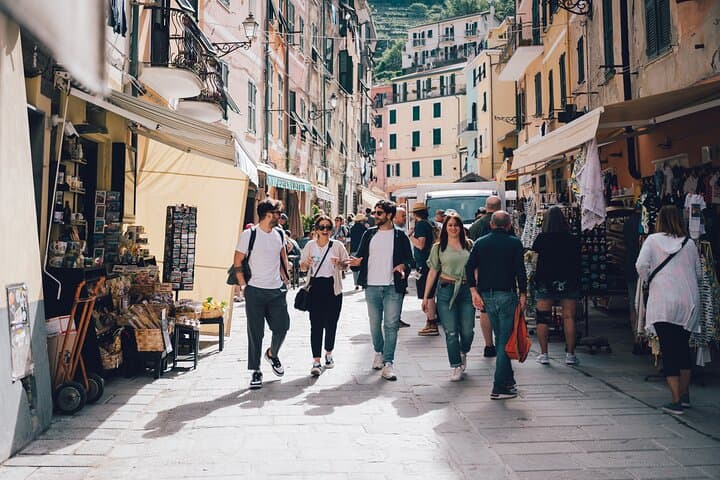
Culturally the Cinque Terre still feels lived-in: small grocers, family-run osterias, and fishermen repairing nets. From March to October ferries stitch the villages together by sea, offering a unique coastal perspective; in winter, the water-driven leg is reduced and some services pause.
Practical guidance: be at the Sightseeing Experience Center in Santa Maria Novella 20 minutes early—punctuality is enforced. Expect a long day (12+ hours total including travel), cobbled steps, and short free periods in each village; plan time in Monterosso for a longer stroll or swim. Wear broken-in walking shoes, pack layers for sea breezes and sudden rain, carry water and small cash for food stalls, and consider a Cinque Terre Card if you want to hike between villages independently.
moderate.
12–13 hours.
Suitable for travelers with moderate fitness—able to manage stairs, uneven cobbles, and several short hikes between viewpoints.
No—ferry service typically runs March through October; in winter months transportation relies mainly on trains and some local buses.
The guided tour focuses on train and boat travel with short walks in each village; if you want to hike, choose the transfer-only option and buy a Cinque Terre Card for trail access.
Meet at the Sightseeing Experience Center inside Santa Maria Novella Train Station ticket hall and arrive 20 minutes early as punctuality is required.
Some ticket options include street food tastings; otherwise you’ll have free time to buy local dishes—plan to budget for lunch and snacks.
The Cinque Terre grew from medieval fishing and terraced agriculture; its dry-stone walls and narrow alleys reflect centuries of adapting farming to steep terrain.
Much of the coast is a national park and marine protected area—stay on marked paths, avoid trampling terraces, and minimize single-use plastics to reduce impact.
Sightseeing Experience operates guided outdoor trips and adventures with an emphasis on safety, stewardship, and memorable experiences.
The day begins before sunrise at Santa Maria Novella—train platforms hum, coffee shops open, and the city’s rhythm gives way to the coastal wind.
The day begins before sunrise at Santa Maria Novella—train platforms hum, coffee shops open, and the city’s rhythm gives way to the coastal wind.
By midmorning the train threads dramatic coastal ledges, cliffs dropping to a restless Mediterranean that seems to dare you to lean closer. Villages appear like colored notes pinned to stone: harbors cradled by narrow alleys, terraces of vines and olives that climb impossible gradients, and a seawall where locals launch boats at dawn.
This stretch of the Ligurian Riviera has layered history: medieval fishing hamlets, terraced agriculture carved into the Apennine foothills, and a maritime culture that fostered distinct foods—pesto, focaccia, anchovies—and livelihoods tied to the sea. Geologically the coast is steep limestone and marl, eroded into coves and points, which is why paths are stair-steep and views hit suddenly.
Culturally the Cinque Terre still feels lived-in: small grocers, family-run osterias, and fishermen repairing nets. From March to October ferries stitch the villages together by sea, offering a unique coastal perspective; in winter, the water-driven leg is reduced and some services pause.
Practical guidance: be at the Sightseeing Experience Center in Santa Maria Novella 20 minutes early—punctuality is enforced. Expect a long day (12+ hours total including travel), cobbled steps, and short free periods in each village; plan time in Monterosso for a longer stroll or swim. Wear broken-in walking shoes, pack layers for sea breezes and sudden rain, carry water and small cash for food stalls, and consider a Cinque Terre Card if you want to hike between villages independently.