THE ADVENTURE COLLECTIVE® · Independent discovery and booking for outdoor travel

Turn a walk in Sapporo’s most iconic parks into a short cinematic film. Choose up to three locations—Odori, Nakajima, Maruyama, Moerenuma and more—and work with an award-winning director to capture seasonal light and local character.
Turn a walk in Sapporo’s most iconic parks into a short cinematic film. Choose up to three locations—Odori, Nakajima, Maruyama, Moerenuma and more—and work with an award-winning director to capture seasonal light and local character.
You step out under the low winter light or the blush of cherry trees and a small crew folds around you, lenses tracking the arc of a laugh or the hush of falling snow.
Verified experiences and guided adventures in the surrounding area.
Operated by Meadow Film Production · Sapporo, Hokkaido
You step out under the low winter light or the blush of cherry trees and a small crew folds around you, lenses tracking the arc of a laugh or the hush of falling snow.
This private video tour threads three of Sapporo’s signature green rooms — Odori’s wide promenade and TV Tower backdrop, the formal ponds and Meiji-era Hoheikan at Nakajima, and the sculpted geometry of Isamu Noguchi’s Moerenuma Park. Each place carries its own personality: Odori teases the city’s pulse, Maruyama holds shrine and primæval forest history, and Moerenuma poses like a modern sculpture daring you to move through it.
Sapporo’s parks were shaped by 19th–20th century development: Odori evolved from a firebreak into the city’s civic spine, Maruyama grew from a tree nursery for the Hokkaido Development Commission, and Moerenuma was deliberately designed as a park-as-art project. Geologically, the city sits on the Ishikari Plain, with park soils reflecting reclaimed and landscaped ground rather than wild alpine terrain. Culturally these sites host festivals, hanami crowds, and winter illuminations — timing matters.
Practically: bookings include a location filming permit fee and a 90–150 second edited video delivered in 1–2 weeks. Choose up to three locations; shoots run about 2–2.5 hours. Golden hour gives clean light; winter snow offers high-contrast frames but bring layers. Wear quiet-soled shoes to avoid noise on footage and coordinate wardrobe with the director for color balance. For accessibility, most park surfaces are stroller- and wheelchair-friendly; confirm exact spots before the shoot. Arrive hydrated, with charged devices, and leave room for spontaneous moments — those are the clips that make a short film feel like a memory.
easy.
2–2.5 hours.
Suitable for most abilities; requires short walks and standing but no strenuous effort
You can choose up to three shooting locations from the provided list; the operator will confirm availability after booking.
Yes — the listing notes that filming permit fees for each chosen location are included in the package.
Duplicate field removed to comply with JSON formatting.
A professionally edited 90–150 second HD video (without original music or CG) and photos are delivered approximately 1–2 weeks after shooting.
Odori began as a 19th-century firebreak and civic axis; Maruyama grew from an Hokkaido Development Commission tree nursery, while Moerenuma is a late-20th-century park designed by sculptor Isamu Noguchi.
Respect seasonal plantings and frame areas without trampling vegetation; local park rules protect cherry trees and winter illumination installations.
Meadow Film Production operates guided outdoor trips and adventures with an emphasis on safety, stewardship, and memorable experiences.
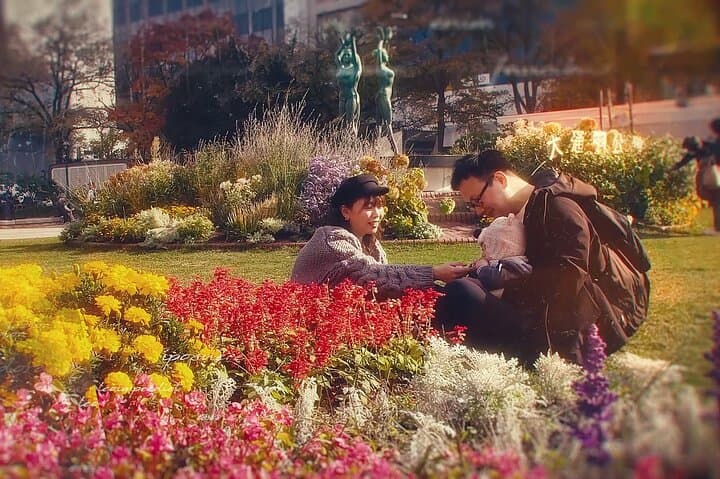
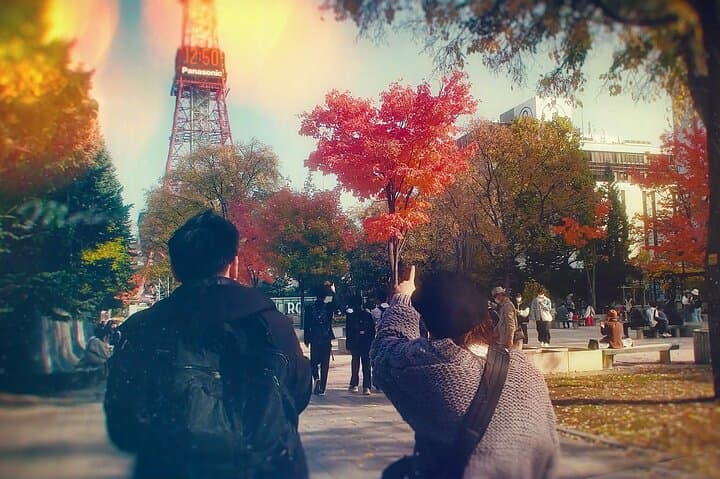
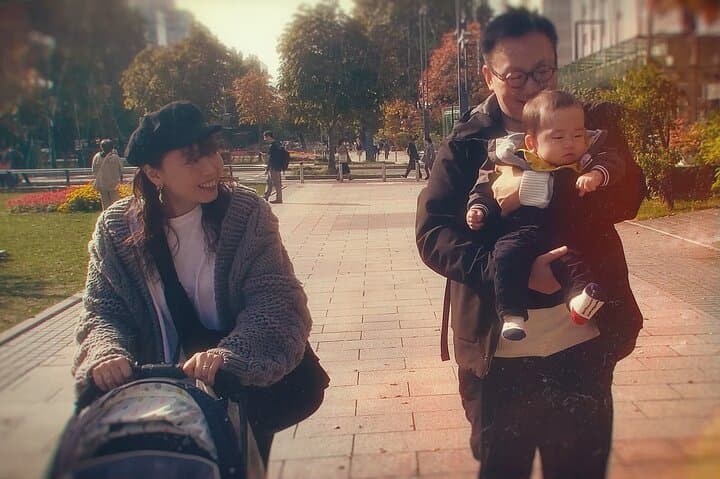
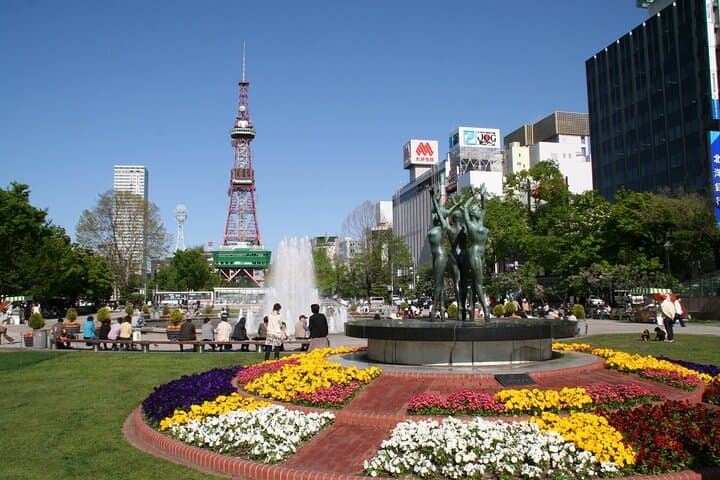
You step out under the low winter light or the blush of cherry trees and a small crew folds around you, lenses tracking the arc of a laugh or the hush of falling snow.
You step out under the low winter light or the blush of cherry trees and a small crew folds around you, lenses tracking the arc of a laugh or the hush of falling snow.
This private video tour threads three of Sapporo’s signature green rooms — Odori’s wide promenade and TV Tower backdrop, the formal ponds and Meiji-era Hoheikan at Nakajima, and the sculpted geometry of Isamu Noguchi’s Moerenuma Park. Each place carries its own personality: Odori teases the city’s pulse, Maruyama holds shrine and primæval forest history, and Moerenuma poses like a modern sculpture daring you to move through it.
Sapporo’s parks were shaped by 19th–20th century development: Odori evolved from a firebreak into the city’s civic spine, Maruyama grew from a tree nursery for the Hokkaido Development Commission, and Moerenuma was deliberately designed as a park-as-art project. Geologically, the city sits on the Ishikari Plain, with park soils reflecting reclaimed and landscaped ground rather than wild alpine terrain. Culturally these sites host festivals, hanami crowds, and winter illuminations — timing matters.
Practically: bookings include a location filming permit fee and a 90–150 second edited video delivered in 1–2 weeks. Choose up to three locations; shoots run about 2–2.5 hours. Golden hour gives clean light; winter snow offers high-contrast frames but bring layers. Wear quiet-soled shoes to avoid noise on footage and coordinate wardrobe with the director for color balance. For accessibility, most park surfaces are stroller- and wheelchair-friendly; confirm exact spots before the shoot. Arrive hydrated, with charged devices, and leave room for spontaneous moments — those are the clips that make a short film feel like a memory.