THE ADVENTURE COLLECTIVE® · Independent discovery and booking for outdoor travel

Glide through Colombia’s largest mangrove lagoon on a full-day guided boat tour from Santa Marta. Explore winding channels, meet stilt-house fishing communities, and watch for manatees, monkeys and a chorus of wading birds.
Glide through Colombia’s largest mangrove lagoon on a full-day guided boat tour from Santa Marta. Explore winding channels, meet stilt-house fishing communities, and watch for manatees, monkeys and a chorus of wading birds.
Dawn breaks low over glassy water; a motorized canoe parts the mirror and the mangroves lean in like curious hosts. The air smells of brackish mud and salt, and the small communities — stilt houses, laundry lines, and children running wooden planks — slide into view as the boat threads narrow channels.
Verified experiences and guided adventures in the surrounding area.
Operated by Impulse Travel · Santa Marta, Magdalena
Dawn breaks low over glassy water; a motorized canoe parts the mirror and the mangroves lean in like curious hosts. The air smells of brackish mud and salt, and the small communities — stilt houses, laundry lines, and children running wooden planks — slide into view as the boat threads narrow channels.
The Ciénaga Grande Fauna and Flora Sanctuary is Colombia’s largest lagoon and swamp complex and was named a UNESCO Biosphere Reserve in 2000. Geologically the flat, sediment-rich plains result from Magdalena River outflow meeting Caribbean tides, creating shallow lagoons, mudflats and dense mangrove forests. Culture here is waterborne: families have fished and harvested mangrove resources for generations in villages such as Buenavista, Nueva Venecia and Tasajera, preserving crafts, boat-building skills and oral histories.
Expect a mix of calm, wildlife-rich waterways and low, open lagoons; sightings often include monkeys in the fringe trees, the occasional West Indian manatee where seagrass persists, and wading birds quartering the shallows. The tour typically starts with a 45-minute drive from Santa Marta to the launch, followed by roughly two hours cruising the main channels with additional time ashore in villages.
Practical notes: bring layered sun protection, insect repellent, and a waterproof pouch for valuables; wear sturdy sandals or closed shoes that can get wet. Mornings are cooler and bird activity is higher, while afternoons can bring stronger winds and chop. Respect village customs, carry small Colombian pesos for local purchases, and follow guides’ safety briefings — life jackets and bilingual guides are commonly provided. This is low exertion but rich in sensory detail: the marsh pushes and keeps you moving, and the communities hand you a living link to the place.
easy.
6 hours.
Suitable for most fitness levels; mostly seated in a boat with short walks ashore on flat, muddy terrain.
The tour includes about two hours of cruising through the lagoon’s channels, with additional time for village visits; total excursion time is roughly 6 hours including transport from Santa Marta.
Yes — reputable operators supply life jackets and give a safety briefing before departure; inform the guide if you need a specific size.
Swimming is generally discouraged due to shallow, murky water and conservation concerns; follow your guide’s advice and local regulations.
The trip is rated easy and suitable for most ages, but infants must sit on an adult’s lap and those with mobility issues should check boarding logistics beforehand.
Fishing communities here predate the modern Colombian state; the lagoon’s ecological and cultural value led to its 2000 UNESCO Biosphere Reserve designation.
Mangrove loss and aquaculture have stressed the sanctuary; community-led conservation programs and responsible tourism help protect habitats and livelihoods.
Impulse Travel operates guided outdoor trips and adventures with an emphasis on safety, stewardship, and memorable experiences.
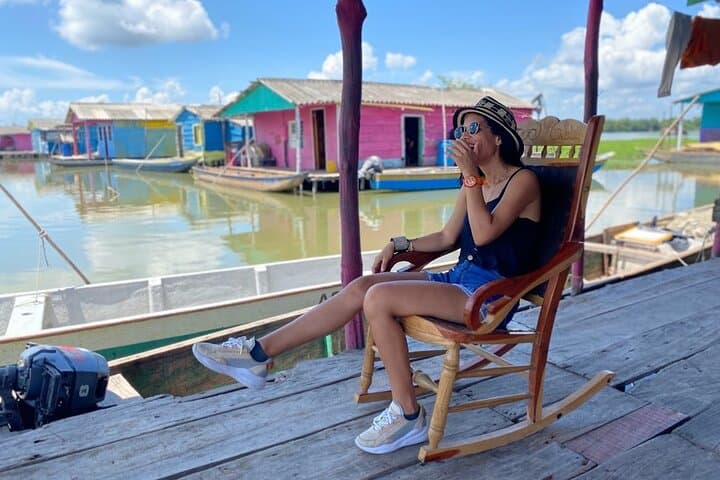
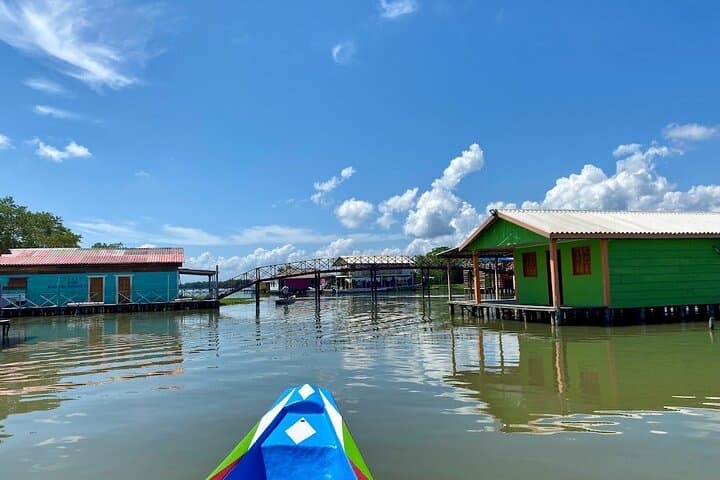
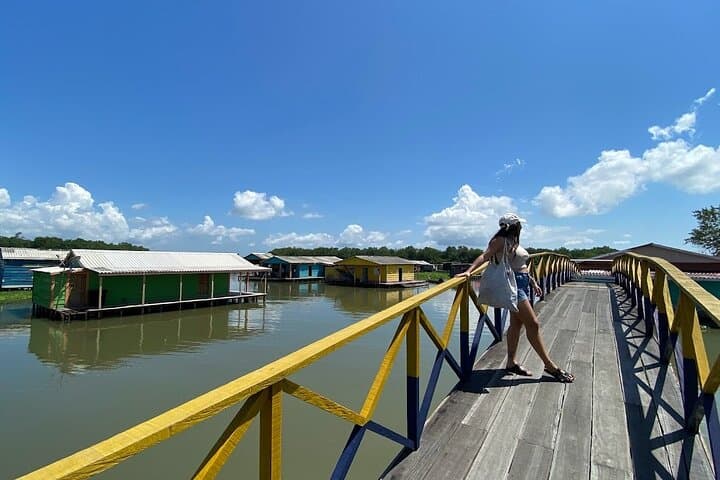
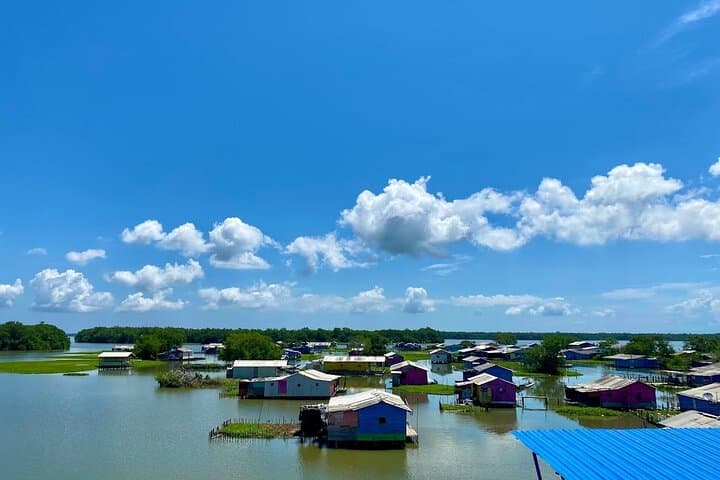
Dawn breaks low over glassy water; a motorized canoe parts the mirror and the mangroves lean in like curious hosts. The air smells of brackish mud and salt, and the small communities — stilt houses, laundry lines, and children running wooden planks — slide into view as the boat threads narrow channels.
Dawn breaks low over glassy water; a motorized canoe parts the mirror and the mangroves lean in like curious hosts. The air smells of brackish mud and salt, and the small communities — stilt houses, laundry lines, and children running wooden planks — slide into view as the boat threads narrow channels.
The Ciénaga Grande Fauna and Flora Sanctuary is Colombia’s largest lagoon and swamp complex and was named a UNESCO Biosphere Reserve in 2000. Geologically the flat, sediment-rich plains result from Magdalena River outflow meeting Caribbean tides, creating shallow lagoons, mudflats and dense mangrove forests. Culture here is waterborne: families have fished and harvested mangrove resources for generations in villages such as Buenavista, Nueva Venecia and Tasajera, preserving crafts, boat-building skills and oral histories.
Expect a mix of calm, wildlife-rich waterways and low, open lagoons; sightings often include monkeys in the fringe trees, the occasional West Indian manatee where seagrass persists, and wading birds quartering the shallows. The tour typically starts with a 45-minute drive from Santa Marta to the launch, followed by roughly two hours cruising the main channels with additional time ashore in villages.
Practical notes: bring layered sun protection, insect repellent, and a waterproof pouch for valuables; wear sturdy sandals or closed shoes that can get wet. Mornings are cooler and bird activity is higher, while afternoons can bring stronger winds and chop. Respect village customs, carry small Colombian pesos for local purchases, and follow guides’ safety briefings — life jackets and bilingual guides are commonly provided. This is low exertion but rich in sensory detail: the marsh pushes and keeps you moving, and the communities hand you a living link to the place.