THE ADVENTURE COLLECTIVE® · Independent discovery and booking for outdoor travel

Walk the stones of Cidade Velha and trace the routes of 15th‑century maritime trade. This five‑hour guided excursion from Praia combines UNESCO‑listed history, Portuguese colonial architecture and Creole culture with practical local tips for an easy day trip.
Walk the stones of Cidade Velha and trace the routes of 15th‑century maritime trade. This five‑hour guided excursion from Praia combines UNESCO‑listed history, Portuguese colonial architecture and Creole culture with practical local tips for an easy day trip.
You step off the minivan into a narrow square where wind-worn stone keeps the heat at bay and the Atlantic dares the shoreline—Cidade Velha feels like a place that remembers every ship that ever called here.
Verified experiences and guided adventures in the surrounding area.
Operated by Friendshiptours CV · Cidade Velha, Santiago
You step off the minivan into a narrow square where wind-worn stone keeps the heat at bay and the Atlantic dares the shoreline—Cidade Velha feels like a place that remembers every ship that ever called here.
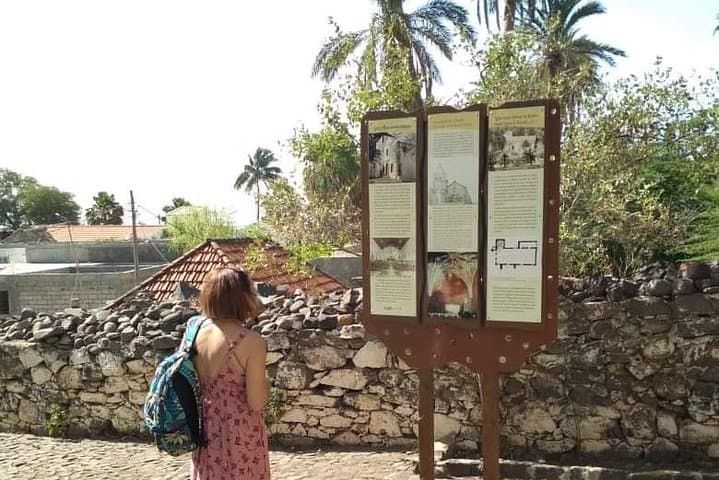
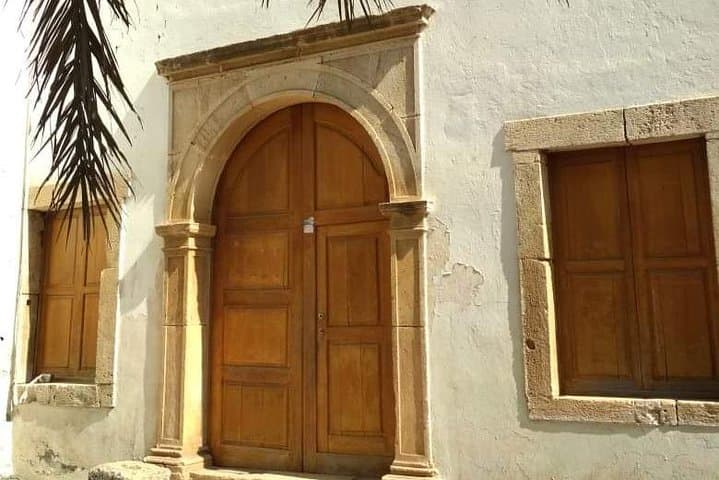
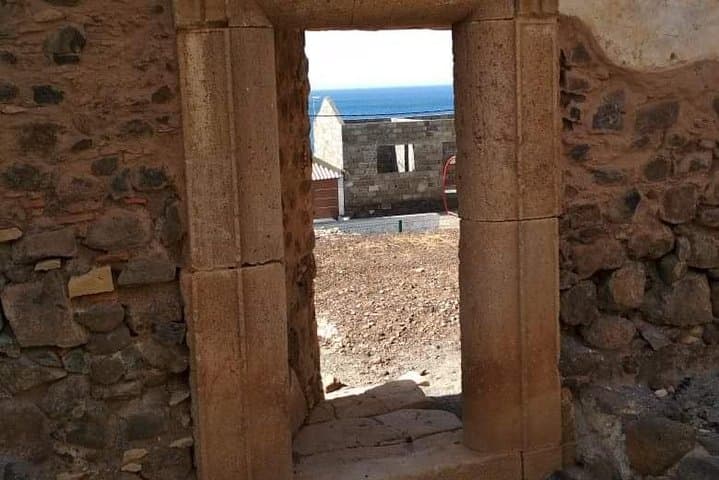
Founded in 1462 as Ribeira Grande by António da Noli, the town was the Portuguese gateway to West Africa and the Americas. Ruined forts, two 16th‑century churches and a compact town square survive as tangible chapters of maritime trade, colonization and Creole culture. The volcanic bedrock of Santiago shapes steep ridgelines and shallow, fertile valleys; the soil and scarred cliffs tell a geological story of eruptions and erosion that shaped island life.
Local life is straightforward: low houses of Portuguese design, fruit sellers under corrugated roofs, and fishermen mending nets where waves meet stone. Guides often explain how Cidade Velha linked Africa, Brazil and the Caribbean—and why it became a UNESCO World Heritage Site in 2009.
Practicalities matter: this is a mostly walking experience across cobbled streets and historic terraces. The excursion runs about five hours and typically includes transport from Praia in an air‑conditioned vehicle. Expect dusty paths and sun; bring a hat, water and closed shoes for uneven surfaces. Mid‑morning or late afternoon visits reduce midday heat and improve photography. Most sites are interpretable with basic mobility, but cobbles and steps can be challenging despite accessibility provisions.
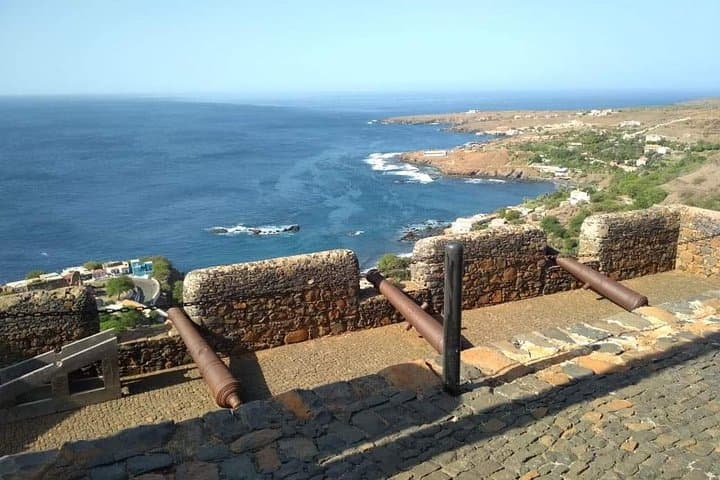
Respect the ruins, listen to local voices about the town’s past, and leave extra time to linger at Fortaleza Real de Santiago for a final view where ocean currents push toward distant horizons.
easy.
5 hours.
Suitable for most fitness levels; involves several short walks on cobbled and stepped terrain—light mobility recommended.
The tour runs about five hours including round‑trip transport from Praia and on‑site exploration of the main historic landmarks.
Many areas report wheelchair accessibility and ramps, and vehicles may accommodate strollers, but cobbles and steps in parts of the old town can be uneven—check with the operator for specific needs.
Guides commonly speak Portuguese and English; Creole is widely used locally—confirm language availability when booking.
This excursion typically covers transport and guiding; small entrance fees or donations to specific sites and personal purchases are best paid with cash in local currency.
Cidade Velha began as Ribeira Grande in 1462 and became the first European colonial settlement in the tropics, later serving as an Atlantic hub in the 16th–17th centuries.
As a UNESCO World Heritage Site, Cidade Velha is managed to protect fragile masonry and archaeological remains—visitors should stick to paths and avoid climbing ruins to minimize wear.
Friendshiptours CV operates guided outdoor trips and adventures with an emphasis on safety, stewardship, and memorable experiences.
You step off the minivan into a narrow square where wind-worn stone keeps the heat at bay and the Atlantic dares the shoreline—Cidade Velha feels like a place that remembers every ship that ever called here.
You step off the minivan into a narrow square where wind-worn stone keeps the heat at bay and the Atlantic dares the shoreline—Cidade Velha feels like a place that remembers every ship that ever called here.
Founded in 1462 as Ribeira Grande by António da Noli, the town was the Portuguese gateway to West Africa and the Americas. Ruined forts, two 16th‑century churches and a compact town square survive as tangible chapters of maritime trade, colonization and Creole culture. The volcanic bedrock of Santiago shapes steep ridgelines and shallow, fertile valleys; the soil and scarred cliffs tell a geological story of eruptions and erosion that shaped island life.
Local life is straightforward: low houses of Portuguese design, fruit sellers under corrugated roofs, and fishermen mending nets where waves meet stone. Guides often explain how Cidade Velha linked Africa, Brazil and the Caribbean—and why it became a UNESCO World Heritage Site in 2009.
Practicalities matter: this is a mostly walking experience across cobbled streets and historic terraces. The excursion runs about five hours and typically includes transport from Praia in an air‑conditioned vehicle. Expect dusty paths and sun; bring a hat, water and closed shoes for uneven surfaces. Mid‑morning or late afternoon visits reduce midday heat and improve photography. Most sites are interpretable with basic mobility, but cobbles and steps can be challenging despite accessibility provisions.
Respect the ruins, listen to local voices about the town’s past, and leave extra time to linger at Fortaleza Real de Santiago for a final view where ocean currents push toward distant horizons.