THE ADVENTURE COLLECTIVE® · Independent discovery and booking for outdoor travel

Spend a full day exploring the Churute protected reserve to spot howler monkeys and birds, then learn traditional cacao processing with hands-on chocolate making. This private day trip from Guayaquil blends wildlife viewing with cultural immersion and a farm-to-table cocoa experience.
Spend a full day exploring the Churute protected reserve to spot howler monkeys and birds, then learn traditional cacao processing with hands-on chocolate making. This private day trip from Guayaquil blends wildlife viewing with cultural immersion and a farm-to-table cocoa experience.
Morning light slices through the dry forest as you step onto the Howler Monkey Trail—leaves whisper, branches sway, and distant primate calls puncture the air like a taut drum. The reserve’s trails wind across low ridges and saline flats; every bend increases the chance of seeing black-and-gold howler monkeys, toucans, and small reptiles sunning themselves on exposed roots.
Verified experiences and guided adventures in the surrounding area.
Operated by Yamil Saman Cabrera · Guayaquil, Guayas
Morning light slices through the dry forest as you step onto the Howler Monkey Trail—leaves whisper, branches sway, and distant primate calls puncture the air like a taut drum. The reserve’s trails wind across low ridges and saline flats; every bend increases the chance of seeing black-and-gold howler monkeys, toucans, and small reptiles sunning themselves on exposed roots.
The reserve protects a fragment of tropical dry forest shaped by ancient coastal sediments and tidal influence. Its soils and mangrove fringes tell a geological story of river deposits and Pacific tides. Culturally, the route links rural livelihoods: crab and shrimp fishing, smallholder cacao plots, and traditional roasting techniques handed down through generations.
In the afternoon the forest gives way to cacao groves. Here you’ll learn cacao’s history in Ecuador, watch beans roasted over open flames, and take part in hands-on chocolate making—tempering, flavoring, and molding a bar to take home. Local guides explain organic practices and the role of cacao in regional identity.
Practical notes: the day runs about seven hours with hotel pickup in Guayaquil and private transport included. Trails are generally easy but uneven; expect sections of packed dirt, roots, and occasional mud. Bring insect repellent, sturdy shoes, sun protection and a small daypack. The tour includes bottled water and a traditional Ecuadorian lunch outdoors. Morning visits increase wildlife sightings; afternoons are ideal for cacao demonstrations. Respect quiet viewing distances around wildlife and support local producers by buying directly if offered.
easy.
7 hours.
Light walking ability; participants should be comfortable on uneven, unpaved trails for several short sections
The reserve is roughly 1–1.5 hours from central Guayaquil and this tour includes private hotel pickup and drop-off in an air-conditioned vehicle.
Yes—children are welcome but must be accompanied by an adult; trails are easy though supervision near wildlife is required.
Yes—a traditional Ecuadorian lunch and bottled water are included; bring personal snacks if you prefer them.
Yes—the itinerary includes hands-on chocolate making where you’ll taste varieties and craft a small artisanal bar to take home.
Cacao has been cultivated in coastal Ecuador for centuries; smallholder farms here preserve traditional post-harvest roasting and fermentation methods tied to local culture.
The reserve protects tropical dry forest remnants and mangrove edges; visitors can support conservation by staying on trails, avoiding single-use plastics, and buying directly from local producers.
Yamil Saman Cabrera operates guided outdoor trips and adventures with an emphasis on safety, stewardship, and memorable experiences.
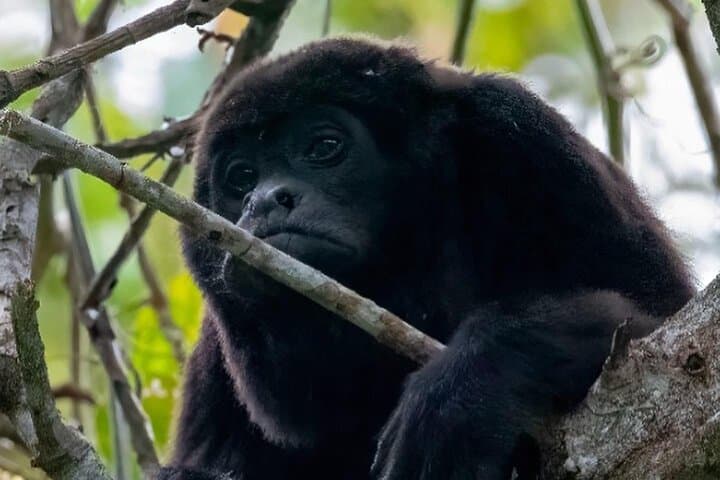


Morning light slices through the dry forest as you step onto the Howler Monkey Trail—leaves whisper, branches sway, and distant primate calls puncture the air like a taut drum. The reserve’s trails wind across low ridges and saline flats; every bend increases the chance of seeing black-and-gold howler monkeys, toucans, and small reptiles sunning themselves on exposed roots.
Morning light slices through the dry forest as you step onto the Howler Monkey Trail—leaves whisper, branches sway, and distant primate calls puncture the air like a taut drum. The reserve’s trails wind across low ridges and saline flats; every bend increases the chance of seeing black-and-gold howler monkeys, toucans, and small reptiles sunning themselves on exposed roots.
The reserve protects a fragment of tropical dry forest shaped by ancient coastal sediments and tidal influence. Its soils and mangrove fringes tell a geological story of river deposits and Pacific tides. Culturally, the route links rural livelihoods: crab and shrimp fishing, smallholder cacao plots, and traditional roasting techniques handed down through generations.
In the afternoon the forest gives way to cacao groves. Here you’ll learn cacao’s history in Ecuador, watch beans roasted over open flames, and take part in hands-on chocolate making—tempering, flavoring, and molding a bar to take home. Local guides explain organic practices and the role of cacao in regional identity.
Practical notes: the day runs about seven hours with hotel pickup in Guayaquil and private transport included. Trails are generally easy but uneven; expect sections of packed dirt, roots, and occasional mud. Bring insect repellent, sturdy shoes, sun protection and a small daypack. The tour includes bottled water and a traditional Ecuadorian lunch outdoors. Morning visits increase wildlife sightings; afternoons are ideal for cacao demonstrations. Respect quiet viewing distances around wildlife and support local producers by buying directly if offered.