THE ADVENTURE COLLECTIVE® · Independent discovery and booking for outdoor travel

Witness hundreds of macaws at Collpa Chuncho on a focused 3-day Tambopata outing that combines pre-dawn boat runs, quiet observation hides, and river kayaking. This short lodge stay centers on wildlife viewing and practical rainforest logistics.
Witness hundreds of macaws at Collpa Chuncho on a focused 3-day Tambopata outing that combines pre-dawn boat runs, quiet observation hides, and river kayaking. This short lodge stay centers on wildlife viewing and practical rainforest logistics.
Before sunrise the Tambopata River runs like a dark ribbon through towering forest; your boat slips past buttressed trees and the soundscape is a chorus of frogs and distant bird calls. By 6 a.m. the Collpa Chuncho reveals itself: a vertical clay wall carpeted with parrots and macaws, colors flashing against wet riverbank earth as hundreds of birds descend to feed.
Verified experiences and guided adventures in the surrounding area.
Operated by Monte Amazonico Lodge · Puerto Maldonado, Madre de Dios
Before sunrise the Tambopata River runs like a dark ribbon through towering forest; your boat slips past buttressed trees and the soundscape is a chorus of frogs and distant bird calls. By 6 a.m. the Collpa Chuncho reveals itself: a vertical clay wall carpeted with parrots and macaws, colors flashing against wet riverbank earth as hundreds of birds descend to feed.
This clay lick sits within the Madre de Dios region, an area shaped by late-Quaternary river dynamics that built oxbow lakes and nutrient-rich levees. Indigenous communities and rubber-era settlements shaped local use of riverine corridors; today lodges and researchers collaborate to protect important feeding sites and corridors used by jaguars and river otters.
Expect a program paced around wildlife rhythms—pre-dawn departures, quiet observation platforms, and soft-booted walks through secondary forest. The main spectacle is the macaw congregations: scarlet, blue-and-yellow, and green-winged species that ingest mineral-rich clay to neutralize toxins from their fruit diets. Outside of the clay lick there are botanical gardens, quiet kayaking on the Tambopata, and guided night walks for insects and tree frogs.
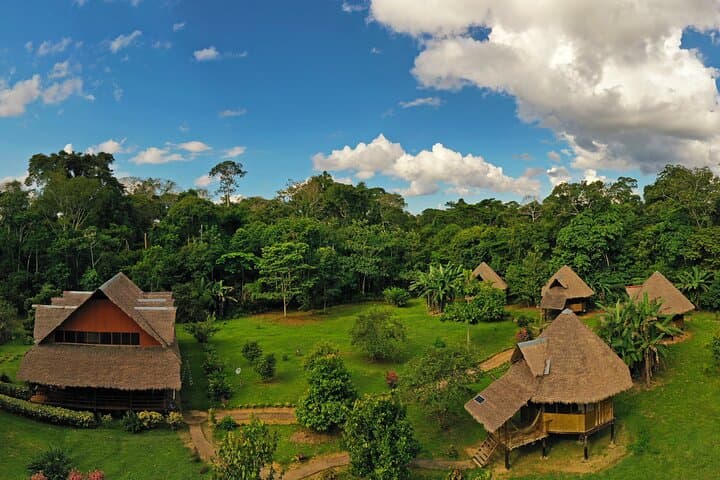
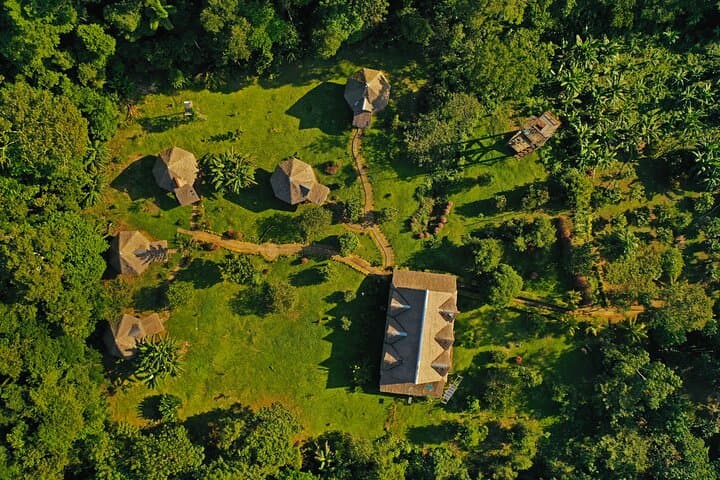
Practical guidance: wake early (4:30–6:00 a.m.), pack waterproof layers, headlamp, binoculars and a camera with a telephoto lens. River transfers are by small motorboat—expect 1–2 hours each way from Puerto Maldonado and variable river conditions. Lodging is basic rainforest lodge accommodation with meals included; bring cash for tips and souvenirs. Respect quiet protocols at the collpa, follow guide instructions, and carry biodegradable insect repellent to protect both yourself and the ecosystem.
easy.
3 days (2 nights).
Light fitness: able to board small boats, walk uneven forest trails for short periods, and tolerate early starts
Most itineraries include land transfer to the riverbank followed by a 1–2 hour motorboat ride upriver to the collpa; your lodge coordinates logistics.
Early morning in the dry season (June–September) often offers the clearest conditions and high clay-lick activity, but sightings occur year-round.
The tour is rated easy and suitable for most ages, though it involves early mornings, boat rides, and uneven trails—check health restrictions for infants and pregnant travelers.
Yes—meals and basic lodge accommodation at Hacienda Tambopata are included, but bring cash for souvenirs and gratuities.
Madre de Dios has long been a riverine corridor for indigenous communities and later rubber and gold-era frontier settlements; modern ecotourism supports research and local livelihoods.
Responsible lodges in Tambopata work with researchers and local communities to monitor wildlife and reduce pressures from illegal mining; visitors can help by following leave-no-trace rules.
Monte Amazonico Lodge operates guided outdoor trips and adventures with an emphasis on safety, stewardship, and memorable experiences.


Before sunrise the Tambopata River runs like a dark ribbon through towering forest; your boat slips past buttressed trees and the soundscape is a chorus of frogs and distant bird calls. By 6 a.m. the Collpa Chuncho reveals itself: a vertical clay wall carpeted with parrots and macaws, colors flashing against wet riverbank earth as hundreds of birds descend to feed.
Before sunrise the Tambopata River runs like a dark ribbon through towering forest; your boat slips past buttressed trees and the soundscape is a chorus of frogs and distant bird calls. By 6 a.m. the Collpa Chuncho reveals itself: a vertical clay wall carpeted with parrots and macaws, colors flashing against wet riverbank earth as hundreds of birds descend to feed.
This clay lick sits within the Madre de Dios region, an area shaped by late-Quaternary river dynamics that built oxbow lakes and nutrient-rich levees. Indigenous communities and rubber-era settlements shaped local use of riverine corridors; today lodges and researchers collaborate to protect important feeding sites and corridors used by jaguars and river otters.
Expect a program paced around wildlife rhythms—pre-dawn departures, quiet observation platforms, and soft-booted walks through secondary forest. The main spectacle is the macaw congregations: scarlet, blue-and-yellow, and green-winged species that ingest mineral-rich clay to neutralize toxins from their fruit diets. Outside of the clay lick there are botanical gardens, quiet kayaking on the Tambopata, and guided night walks for insects and tree frogs.
Practical guidance: wake early (4:30–6:00 a.m.), pack waterproof layers, headlamp, binoculars and a camera with a telephoto lens. River transfers are by small motorboat—expect 1–2 hours each way from Puerto Maldonado and variable river conditions. Lodging is basic rainforest lodge accommodation with meals included; bring cash for tips and souvenirs. Respect quiet protocols at the collpa, follow guide instructions, and carry biodegradable insect repellent to protect both yourself and the ecosystem.