THE ADVENTURE COLLECTIVE® · Independent discovery and booking for outdoor travel

Witness hundreds of macaws converge on a mineral-rich riverbank during a two-day Tambopata excursion. Early starts, quiet platforms, and boat transfers deliver one of the Amazon’s most dramatic bird shows.
Witness hundreds of macaws converge on a mineral-rich riverbank during a two-day Tambopata excursion. Early starts, quiet platforms, and boat transfers deliver one of the Amazon’s most dramatic bird shows.
Dawn arrives on the Tambopata like a held breath: dark water slides past mangled roots, the boat’s engine murmurs and the forest leans closer. You step onto the riverbank before sunrise and settle into a wooden platform facing a bulbous, mineral-streaked wall — the Collpa Chuncho — where parrots and macaws arrive by the hundreds to eat clay.
Verified experiences and guided adventures in the surrounding area.
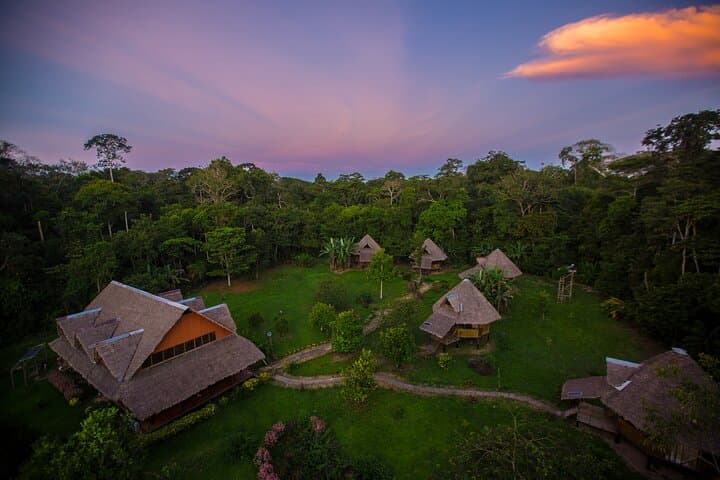
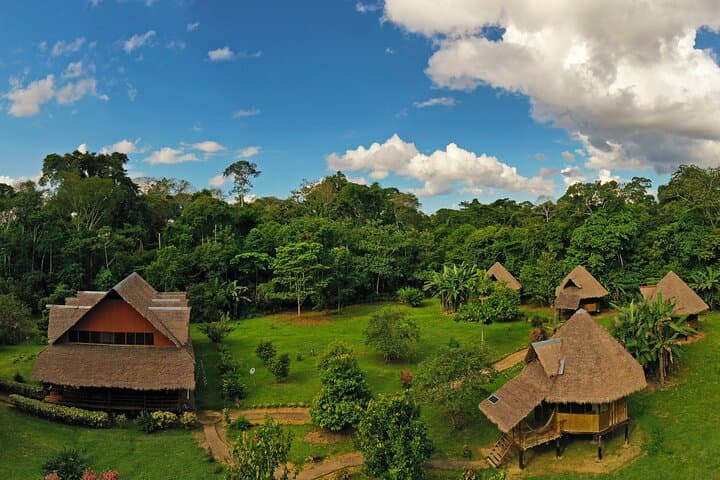
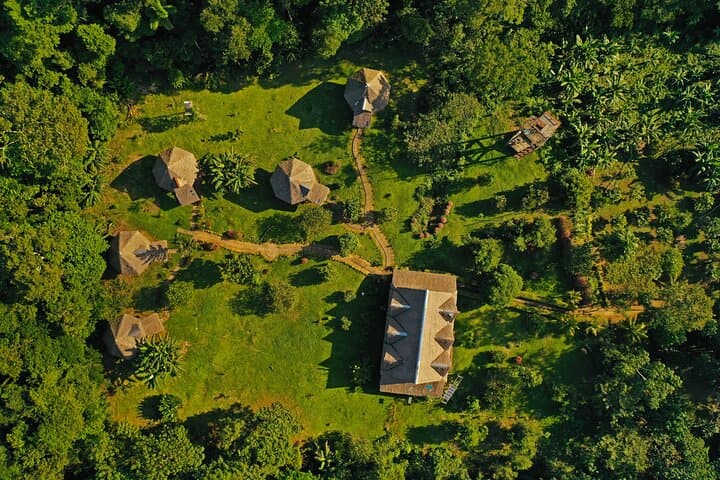
Operated by Monte Amazonico Lodge · Puerto Maldonado, Madre de Dios
Dawn arrives on the Tambopata like a held breath: dark water slides past mangled roots, the boat’s engine murmurs and the forest leans closer. You step onto the riverbank before sunrise and settle into a wooden platform facing a bulbous, mineral-streaked wall — the Collpa Chuncho — where parrots and macaws arrive by the hundreds to eat clay.
The region around Puerto Maldonado sits on the edge of the Amazon basin, where laterite soils and river dynamics produce the exposed clay faces birds need to neutralize toxins. Indigenous communities and modern conservation efforts both shape the Tambopata landscape; lodges here often double as research outposts and botanical gardens, cataloging timber and medicinal plants the forest has offered for generations.
Expect a sensory shift: wings beating like distant rain, macaws calling in flares of red and blue, the river daring you forward as capybaras and caimans hold the shoreline’s attention. Geology is part of the show—the clay wall’s colors tell of mineral deposits and seasonal flood cycles, and the surrounding oxbow lakes are wildlife magnets.
Practically, your visit is an early-morning ritual. Guides hold strict silence and hide camera flashes to avoid stressing the birds. The trip includes boat transfers, one night at a riverside lodge, and guided rainforest walks. Pack waterproof gear, binoculars, and insect protection. Keep movement slow at the collpa, stay within viewing platforms, and follow guide directions to protect both wildlife and your chance at a clear photograph. This is wildlife viewing at its elemental best: intimate, fleeting, and governed by the river’s timetable.
easy.
2 days (≈48 hours).
Suitable for travelers in average physical condition; involves short guided walks, boat transfers, and platform seating.
You’ll typically depart around 4:30–5:00 AM to reach the collpa before dawn and secure a seat on the viewing platform.
On active days hundreds of parrots and dozens to hundreds of macaws can be seen; exact numbers vary with season and river conditions.
Viewers remain on elevated platforms; the experience is safe when you follow guide instructions. Groups are kept small to minimize disturbance.
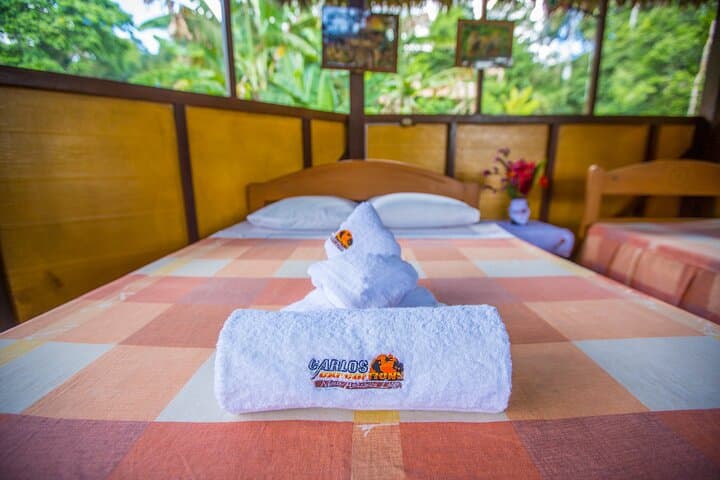
Standard packages include round-trip boat transfers from Puerto Maldonado, one night lodging, meals, and guided walks—confirm specifics with the operator.
The Tambopata corridor has long been inhabited by indigenous groups and today supports community-led conservation efforts and research projects tied to sustainable tourism.
Responsible operators limit platform numbers, ban flash photography, and invest in habitat protection; follow guide rules and pack out all waste to minimize impact.
Monte Amazonico Lodge operates guided outdoor trips and adventures with an emphasis on safety, stewardship, and memorable experiences.
Dawn arrives on the Tambopata like a held breath: dark water slides past mangled roots, the boat’s engine murmurs and the forest leans closer. You step onto the riverbank before sunrise and settle into a wooden platform facing a bulbous, mineral-streaked wall — the Collpa Chuncho — where parrots and macaws arrive by the hundreds to eat clay.
Dawn arrives on the Tambopata like a held breath: dark water slides past mangled roots, the boat’s engine murmurs and the forest leans closer. You step onto the riverbank before sunrise and settle into a wooden platform facing a bulbous, mineral-streaked wall — the Collpa Chuncho — where parrots and macaws arrive by the hundreds to eat clay.
The region around Puerto Maldonado sits on the edge of the Amazon basin, where laterite soils and river dynamics produce the exposed clay faces birds need to neutralize toxins. Indigenous communities and modern conservation efforts both shape the Tambopata landscape; lodges here often double as research outposts and botanical gardens, cataloging timber and medicinal plants the forest has offered for generations.
Expect a sensory shift: wings beating like distant rain, macaws calling in flares of red and blue, the river daring you forward as capybaras and caimans hold the shoreline’s attention. Geology is part of the show—the clay wall’s colors tell of mineral deposits and seasonal flood cycles, and the surrounding oxbow lakes are wildlife magnets.
Practically, your visit is an early-morning ritual. Guides hold strict silence and hide camera flashes to avoid stressing the birds. The trip includes boat transfers, one night at a riverside lodge, and guided rainforest walks. Pack waterproof gear, binoculars, and insect protection. Keep movement slow at the collpa, stay within viewing platforms, and follow guide directions to protect both wildlife and your chance at a clear photograph. This is wildlife viewing at its elemental best: intimate, fleeting, and governed by the river’s timetable.