THE ADVENTURE COLLECTIVE® · Independent discovery and booking for outdoor travel

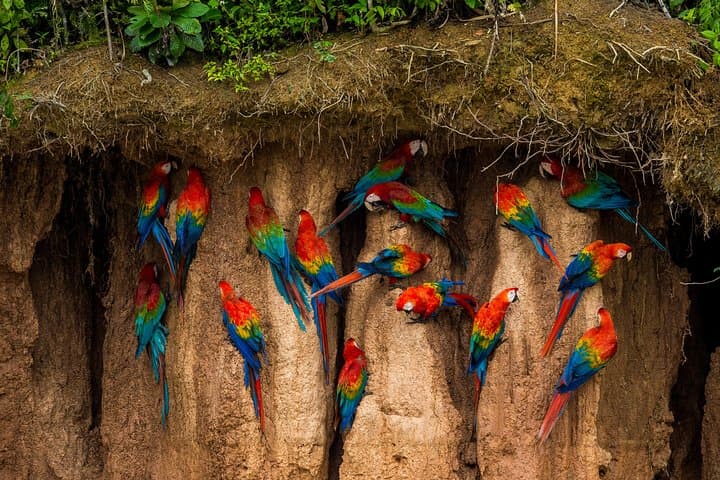
Set out before dawn on a river run to Colpa Chuncho, where flocks of macaws gather on mineral-rich clay banks. This full-day Tambopata excursion compresses classic wildlife viewing into an efficient, guide-led outing suited to travelers with limited time.
Set out before dawn on a river run to Colpa Chuncho, where flocks of macaws gather on mineral-rich clay banks. This full-day Tambopata excursion compresses classic wildlife viewing into an efficient, guide-led outing suited to travelers with limited time.
Before dawn a land transfer slips out of Puerto Maldonado and the road narrows to the river. At first light the Tambopata pushes awake, the current daring you forward as the boat threads upstream toward Colpa Chuncho, the famed macaw clay lick where color congregates on the riverbank.
Verified experiences and guided adventures in the surrounding area.
Operated by Green House Tambopata · Puerto Maldonado, Madre de Dios
Before dawn a land transfer slips out of Puerto Maldonado and the road narrows to the river. At first light the Tambopata pushes awake, the current daring you forward as the boat threads upstream toward Colpa Chuncho, the famed macaw clay lick where color congregates on the riverbank.
This single-day excursion compresses what used to be a two-day pilgrimage: a predawn drive, a river run, and a vigilant morning of birdwatching. Geology explains the spectacle — exposed mineral-rich riverbanks leached from Andean sediments create clay walls that parrots and macaws regularly visit to ingest salts and neutralize dietary toxins. Culturally, local guides—often from families long connected to the river—read bird patterns the way others read weather, and community conservation efforts have helped protect several flocks.
Expect broad, squawking flocks of red-and-green macaws, flashes of blue-and-yellow, and the occasional crash of a troop of monkeys moving through the canopy. The river corridor is lowland Amazon: humid air, dense forest, and an ever-present soundtrack of insect hum and distant calls.
Practical guidance: wear quick-dry layers, bring binoculars and a wide-brim hat, and plan for early starts—most activity peaks at first light. The outing typically runs 5–8 hours with moderate physical demand: short boat rides and gentle walks to viewing hides. Protect electronics from humidity, carry water and snacks, and follow guide instructions at observation points to avoid disturbing birds. The day is compact but focused—ideal for travelers short on time who still want an unforgettable dose of Amazon wildlife.
moderate.
5–8 hours.
Suitable for travelers in average physical condition able to board small boats and walk short uneven trails
The tour typically lasts 5–8 hours and departs very early (around 2:30–3:00 AM) to reach the clay lick at first light.
Sightings are common, especially at dawn, but wildlife is never guaranteed; weather and bird movement can affect viewing.
Infants must sit on an adult’s lap; the activity requires patience and early hours, so assess whether young children can handle the schedule.
A professional guide and boat transfers to the clay lick are included; the operator typically returns travelers to their hotel or assists with airport transfers if needed.
Clay lick use has long been recorded by indigenous communities and provided early naturalists with key observations of Amazonian bird behavior.
Clay licks are sensitive sites; responsible operators limit visitor numbers and maintain set observation distances to reduce stress on birds and protect riverbank integrity.
Green House Tambopata operates guided outdoor trips and adventures with an emphasis on safety, stewardship, and memorable experiences.
Before dawn a land transfer slips out of Puerto Maldonado and the road narrows to the river. At first light the Tambopata pushes awake, the current daring you forward as the boat threads upstream toward Colpa Chuncho, the famed macaw clay lick where color congregates on the riverbank.
Before dawn a land transfer slips out of Puerto Maldonado and the road narrows to the river. At first light the Tambopata pushes awake, the current daring you forward as the boat threads upstream toward Colpa Chuncho, the famed macaw clay lick where color congregates on the riverbank.
This single-day excursion compresses what used to be a two-day pilgrimage: a predawn drive, a river run, and a vigilant morning of birdwatching. Geology explains the spectacle — exposed mineral-rich riverbanks leached from Andean sediments create clay walls that parrots and macaws regularly visit to ingest salts and neutralize dietary toxins. Culturally, local guides—often from families long connected to the river—read bird patterns the way others read weather, and community conservation efforts have helped protect several flocks.
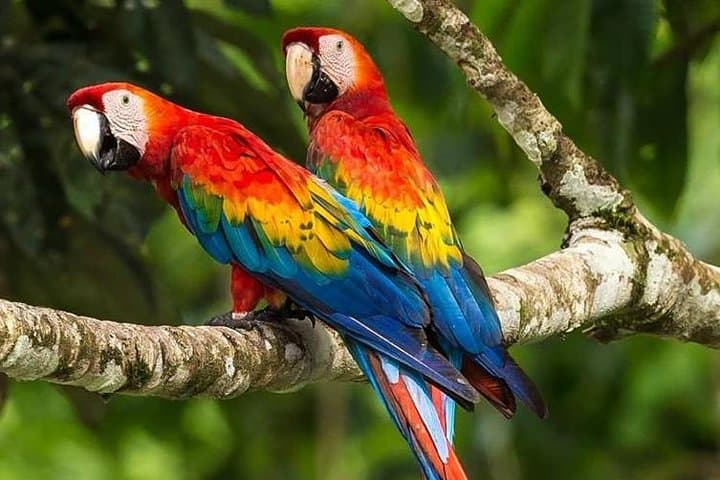
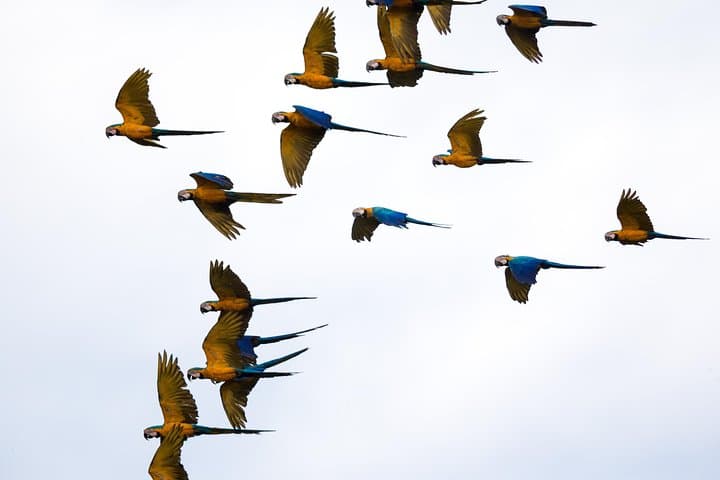
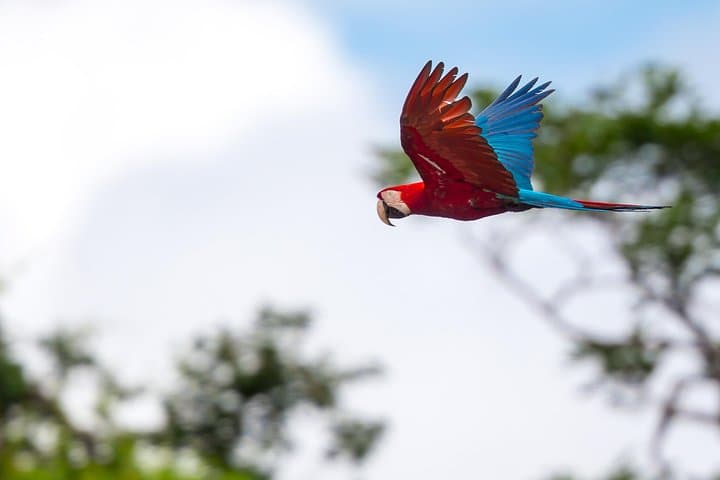
Expect broad, squawking flocks of red-and-green macaws, flashes of blue-and-yellow, and the occasional crash of a troop of monkeys moving through the canopy. The river corridor is lowland Amazon: humid air, dense forest, and an ever-present soundtrack of insect hum and distant calls.
Practical guidance: wear quick-dry layers, bring binoculars and a wide-brim hat, and plan for early starts—most activity peaks at first light. The outing typically runs 5–8 hours with moderate physical demand: short boat rides and gentle walks to viewing hides. Protect electronics from humidity, carry water and snacks, and follow guide instructions at observation points to avoid disturbing birds. The day is compact but focused—ideal for travelers short on time who still want an unforgettable dose of Amazon wildlife.