THE ADVENTURE COLLECTIVE® · Independent discovery and booking for outdoor travel

A classic Rio hike that trades urban noise for dripping canopy and granite steps—this 10 km route from Parque Lage to Christ the Redeemer climbs through Tijuca’s Atlantic Forest to panoramic views over the city. Expect steep sections, humid trail conditions, and a ticket-only platform at the summit.
A classic Rio hike that trades urban noise for dripping canopy and granite steps—this 10 km route from Parque Lage to Christ the Redeemer climbs through Tijuca’s Atlantic Forest to panoramic views over the city. Expect steep sections, humid trail conditions, and a ticket-only platform at the summit.
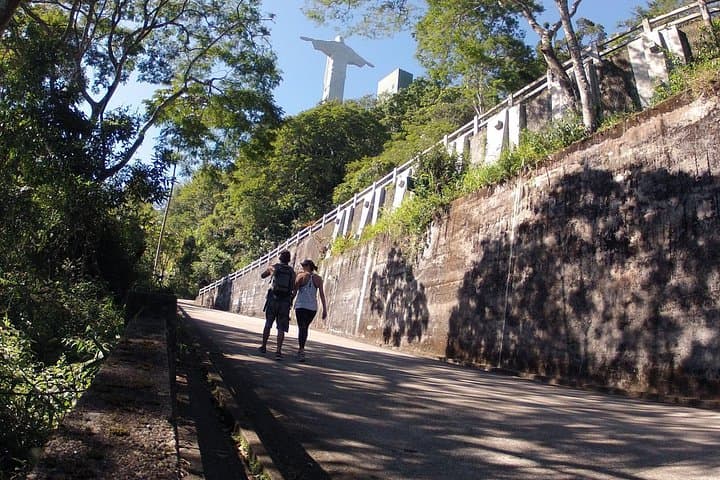
You step through the iron gate of Parque Lage and the city recedes—leaf-litter crunches underfoot, bromeliads press close to the trail, and the slope begins to breathe you uphill toward Corcovado.
Verified experiences and guided adventures in the surrounding area.
Operated by RioXtreme · Rio de Janeiro, Rio de Janeiro
You step through the iron gate of Parque Lage and the city recedes—leaf-litter crunches underfoot, bromeliads press close to the trail, and the slope begins to breathe you uphill toward Corcovado.
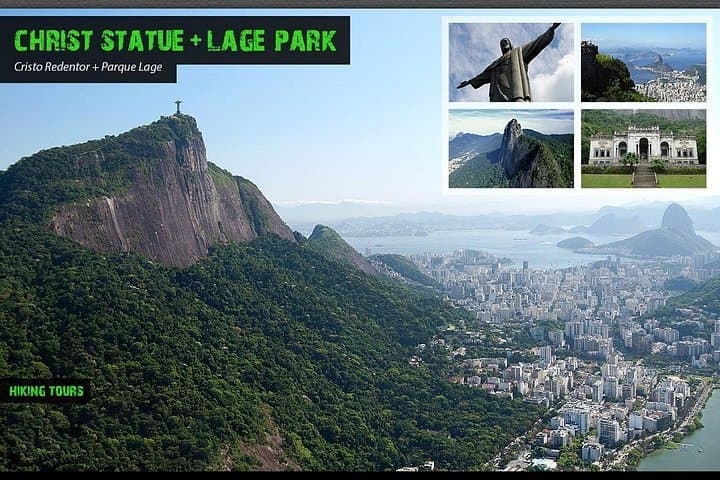
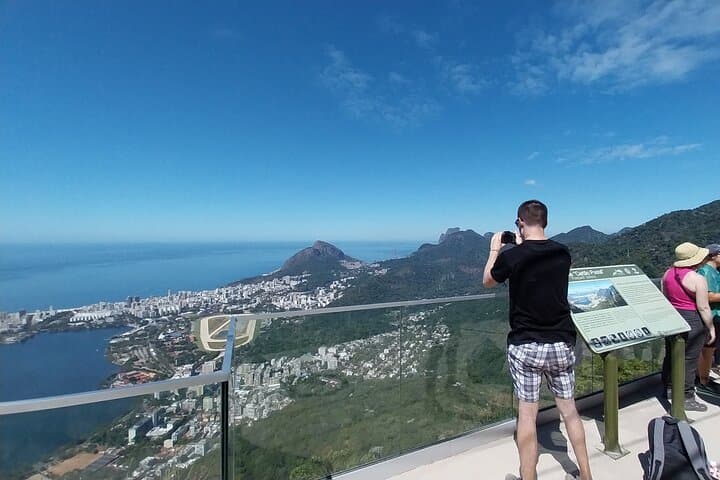
This route climbs through Tijuca National Park, part of Rio’s Carioca Landscapes World Heritage area, tracing old watercourses cut into the city’s granite backbone. Corcovado itself is a granite dome rising to about 709 m (2,326 ft); the statue crowns a rocky outcrop that frames sweeping views from Sugarloaf to Copacabana. The forest here is remnant Atlantic Forest: dense understory, orchids on trunks, and a layer of humidity that gives the stones a green sheen.
Culturally the trail threads past old coffee-farm roads and viewpoints used since the 19th century to watch the city expand. Geologically the climb follows joints in the granite, where roots pry open cracks and streams erode shallow gullies. Wildlife is vocal: marmosets and tropical birds often announce your approach.
Practical guidance: the full route is about 10 km round-trip with roughly 700 m of elevation gain; expect 3–4 hours total (about 2 hours up, 1–1.5 hours down). Start early for cooler temperatures and clearer views; ticket access to the statue platform is purchased at the park office at the top. Wear sturdy hiking shoes, bring 1–2 liters of water, insect repellent and sun protection, and be prepared for sudden showers—trails can be slick on the descent. Local guides can handle logistics and pickups from Rio’s South Zone if you prefer a supported day hike.
moderate.
3–4 hours.
Good cardiovascular fitness and comfort with sustained uphill hiking for 1.5–2 hours; able to manage narrow or uneven trail sections.
The route is about 10 km round-trip with ~700 m elevation gain; it’s rated moderate—expect sustained uphill for about 2 hours and some steep/rocky sections.
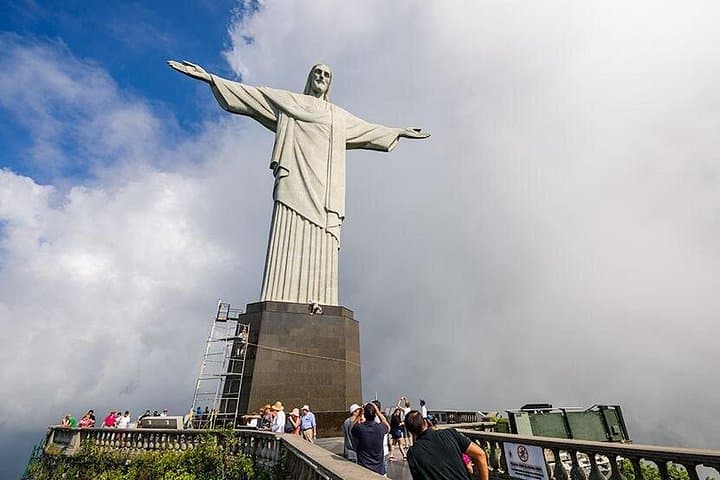
No—access to the statue platform is purchased at the park ticket office at the top; bring cash or card and allow extra time if there’s a line.
Some tour options include accredited guides and optional round-trip transfers from Rio’s South Zone; private pickups outside those areas may incur extra charges.
Trail sections become slippery in heavy rain; operators may cancel for safety—check forecasts and heed guide instructions.
The Corcovado area has been a lookout and recreational site since the 19th century and sits within the Carioca Landscapes UNESCO site that links urban and mountain heritage.
Tijuca is a restored fragment of Atlantic Forest—stick to trails, avoid feeding wildlife, and carry out waste to protect fragile understory and endemic species.
RioXtreme operates guided outdoor trips and adventures with an emphasis on safety, stewardship, and memorable experiences.
You step through the iron gate of Parque Lage and the city recedes—leaf-litter crunches underfoot, bromeliads press close to the trail, and the slope begins to breathe you uphill toward Corcovado.
You step through the iron gate of Parque Lage and the city recedes—leaf-litter crunches underfoot, bromeliads press close to the trail, and the slope begins to breathe you uphill toward Corcovado.
This route climbs through Tijuca National Park, part of Rio’s Carioca Landscapes World Heritage area, tracing old watercourses cut into the city’s granite backbone. Corcovado itself is a granite dome rising to about 709 m (2,326 ft); the statue crowns a rocky outcrop that frames sweeping views from Sugarloaf to Copacabana. The forest here is remnant Atlantic Forest: dense understory, orchids on trunks, and a layer of humidity that gives the stones a green sheen.
Culturally the trail threads past old coffee-farm roads and viewpoints used since the 19th century to watch the city expand. Geologically the climb follows joints in the granite, where roots pry open cracks and streams erode shallow gullies. Wildlife is vocal: marmosets and tropical birds often announce your approach.
Practical guidance: the full route is about 10 km round-trip with roughly 700 m of elevation gain; expect 3–4 hours total (about 2 hours up, 1–1.5 hours down). Start early for cooler temperatures and clearer views; ticket access to the statue platform is purchased at the park office at the top. Wear sturdy hiking shoes, bring 1–2 liters of water, insect repellent and sun protection, and be prepared for sudden showers—trails can be slick on the descent. Local guides can handle logistics and pickups from Rio’s South Zone if you prefer a supported day hike.