THE ADVENTURE COLLECTIVE® · Independent discovery and booking for outdoor travel

A demanding four-day trek from Cusco into the Apurímac Canyon to the partially excavated Inca city of Choquequirao. Expect steep descents and high-altitude camps, local mule support, and sweeping canyon views.
A demanding four-day trek from Cusco into the Apurímac Canyon to the partially excavated Inca city of Choquequirao. Expect steep descents and high-altitude camps, local mule support, and sweeping canyon views.
At first light the minivan peels away from Cusco’s cobblestones and the road narrows toward Cachora. By midmorning the trail drops hard into the Apurímac Canyon—your lungs meet hot air and the river below dares you onward—then levels into a floor of scrub and cactus where Chikiska becomes basecamp.
Verified experiences and guided adventures in the surrounding area.
Operated by Samex Tours Perú Travel Agency · Cachora, Cusco
At first light the minivan peels away from Cusco’s cobblestones and the road narrows toward Cachora. By midmorning the trail drops hard into the Apurímac Canyon—your lungs meet hot air and the river below dares you onward—then levels into a floor of scrub and cactus where Chikiska becomes basecamp.
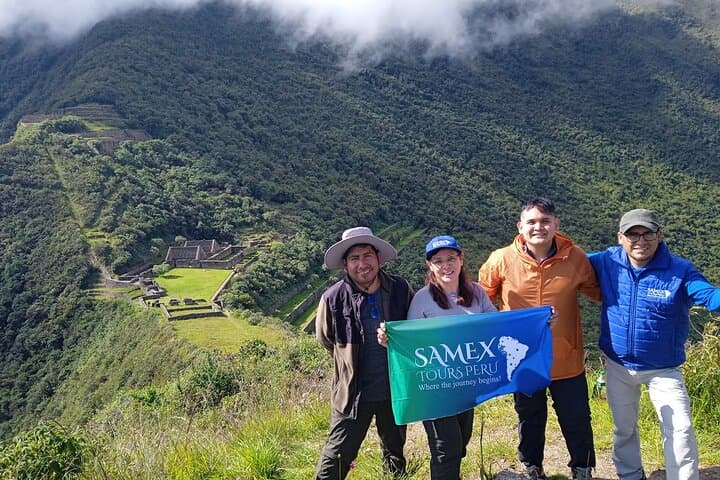
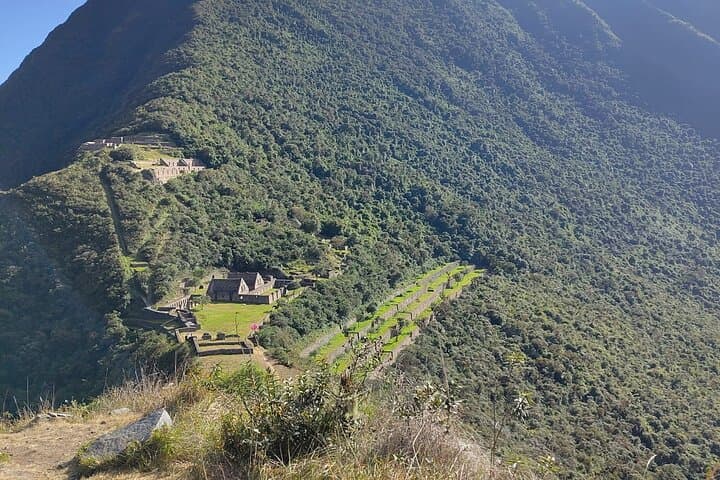
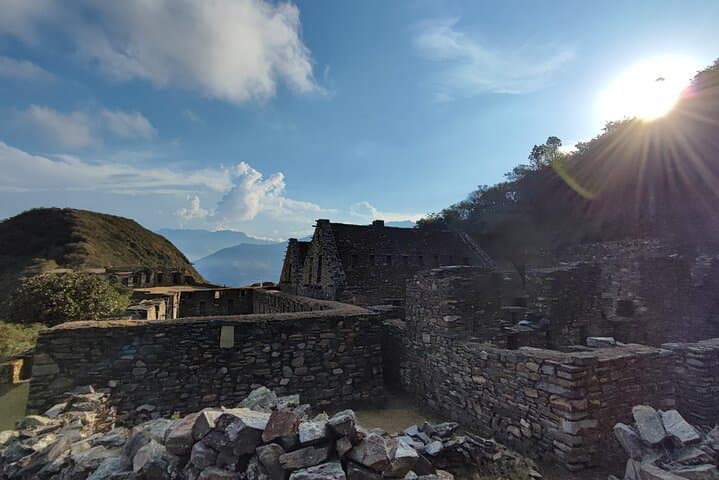
This four-day circuit follows classic Inca-era corridors: steep descents of 800–1,000 m on day one, a strenuous 3–4 hour ascent to Marampata (≈2,900 m) and a final traverse to Choquequirao at about 3,100 m. The site itself is an unfinished, partly excavated Inca city built on terraces carved into granite and volcanic slopes; only about 30% has been revealed, leaving terraces, plazas and stone houses to emerge from the brush.
Geology here is dramatic—sharp canyon walls, erratic talus, and a river that has gouged the valley over millennia—while the local Quechua communities maintain grazing and wool traditions you’ll glimpse in mountain villages and muleteer camps.
Expect mixed terrain: steep switchbacks, loose scree, packed dirt trails and river crossings. Guides and mule train services carry heavy camp gear, but hikers should handle full-day walks of 6–10 hours with sustained climbs and descents.
Practical notes: acclimatize in Cusco for 48 hours if possible, bring layered clothing for hot canyon days and freezing nights, pack a water filter or tablets, and use trekking poles for the long descents. Campsites and small cabins are basic; the guide handles permits and logistics so you can focus on the trail and the view across the Apurímac.
challenging.
4 days.
High cardiovascular fitness and strong legs for sustained ascents/descents; experience with multi-day backpacking helpful
No technical skills are required—the route is guided and mule support is provided—but previous multi-day hiking experience and good fitness are strongly recommended.
Yes, entrance to the Choquequirao archaeological complex is included in the tour price and handled by the guide.
Nights alternate between basic campsites and simple lodging or cabins in Marampata; expect shared tents and communal meals unless an upgrade is arranged.
Acclimatize in Cusco beforehand, ascend gradually, stay hydrated, avoid alcohol, and inform the guide immediately if symptoms worsen—guides carry first aid and can arrange evacuation.
Choquequirao is an Inca administrative and ceremonial site linked to resistance against Spanish conquest; only a fraction of its terraces and structures have been excavated.
Trail fragility and highland ecosystems are sensitive—stick to paths, pack out waste, and support local muleteers and guides to reduce impact.
Samex Tours Perú Travel Agency operates guided outdoor trips and adventures with an emphasis on safety, stewardship, and memorable experiences.
At first light the minivan peels away from Cusco’s cobblestones and the road narrows toward Cachora. By midmorning the trail drops hard into the Apurímac Canyon—your lungs meet hot air and the river below dares you onward—then levels into a floor of scrub and cactus where Chikiska becomes basecamp.
At first light the minivan peels away from Cusco’s cobblestones and the road narrows toward Cachora. By midmorning the trail drops hard into the Apurímac Canyon—your lungs meet hot air and the river below dares you onward—then levels into a floor of scrub and cactus where Chikiska becomes basecamp.
This four-day circuit follows classic Inca-era corridors: steep descents of 800–1,000 m on day one, a strenuous 3–4 hour ascent to Marampata (≈2,900 m) and a final traverse to Choquequirao at about 3,100 m. The site itself is an unfinished, partly excavated Inca city built on terraces carved into granite and volcanic slopes; only about 30% has been revealed, leaving terraces, plazas and stone houses to emerge from the brush.
Geology here is dramatic—sharp canyon walls, erratic talus, and a river that has gouged the valley over millennia—while the local Quechua communities maintain grazing and wool traditions you’ll glimpse in mountain villages and muleteer camps.
Expect mixed terrain: steep switchbacks, loose scree, packed dirt trails and river crossings. Guides and mule train services carry heavy camp gear, but hikers should handle full-day walks of 6–10 hours with sustained climbs and descents.
Practical notes: acclimatize in Cusco for 48 hours if possible, bring layered clothing for hot canyon days and freezing nights, pack a water filter or tablets, and use trekking poles for the long descents. Campsites and small cabins are basic; the guide handles permits and logistics so you can focus on the trail and the view across the Apurímac.